United States
£ GBP
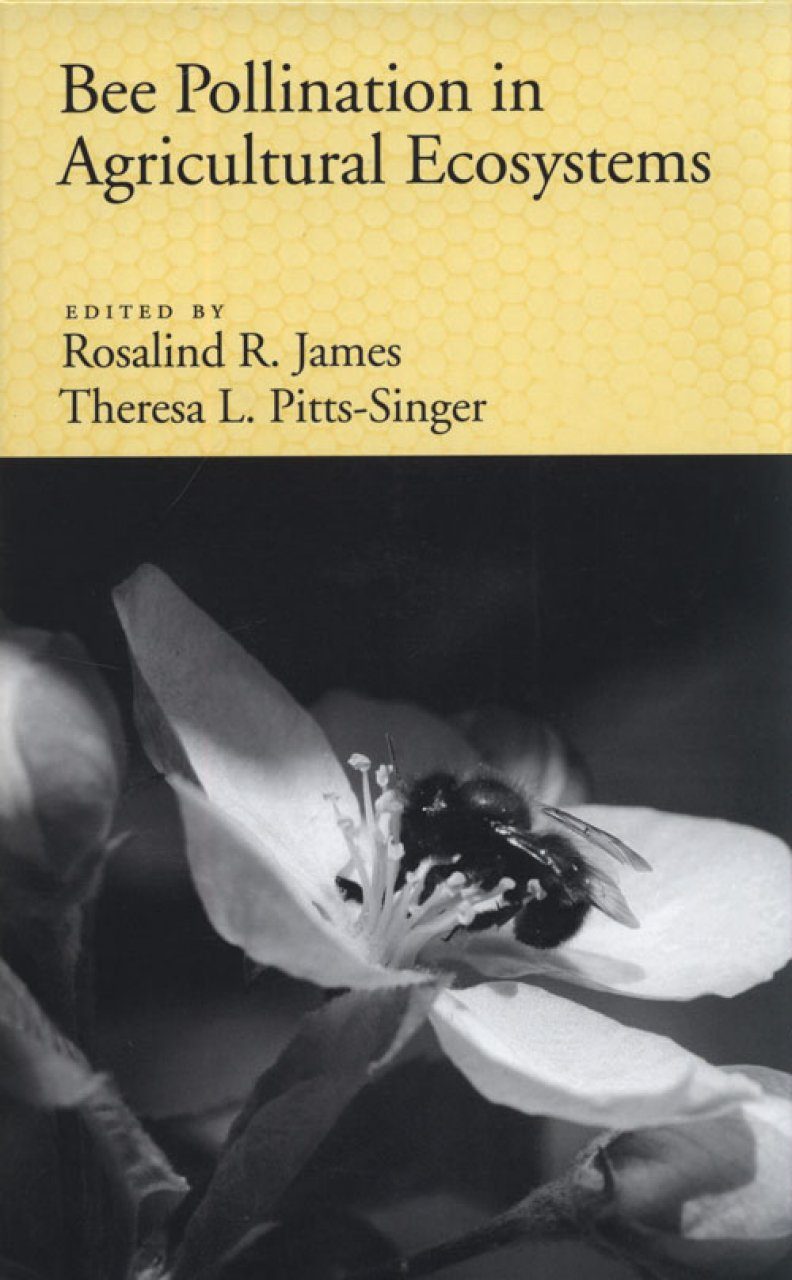
For many agricultural crops, bees play a vital role as pollinators, and this book discusses the interplay among bees, agriculture and the environment. Although honey bees are well recognized as pollinators, managed bumble bees and solitary bees are also critical for the successful pollination of certain crops, while wild bees provide a free service. As bees liberally pass pollen from one plant to the next, they also impact the broader ecosystem, and not always to the benefit of humankind.
Bees can enhance the unintentional spread of genes from genetically engineered plants, and may increase the spread of invasive weeds. Conversely, genetically engineered plants can impact pollinators, and invasive weeds can supply new sources of food for these insects. Bees' flower-visiting activities also can be exploited to help spread biological control agents that control crop pests, and they are important for native plant reproduction. Managing bees for pollination is complex and factors that must take into consideration are treated here including bee natural history, physiology, pathology, and behavior.
Furthermore, transporting bees from native ranges to new areas for pollination services can be controversial, and needs to be done only after assuring that it will not disrupt various ecosystems. Even though bees are small, unobtrusive creatures, they play large roles in the ecosystem. The connection between bees and humankind also is symbolic of a broader interconnection between humans and the natural world.
"This book will go a long way toward keeping non-Apis bees in the limelight. It represents a compendium of the latest thinking on the issues surrounding the place of wild bees in sustainable agriculture. I highly recommend it for readers interested in the public conversation on bee decline and pollination."--Keith S. Delaplane, The Quarterly Review of Biology