United States
£ GBP
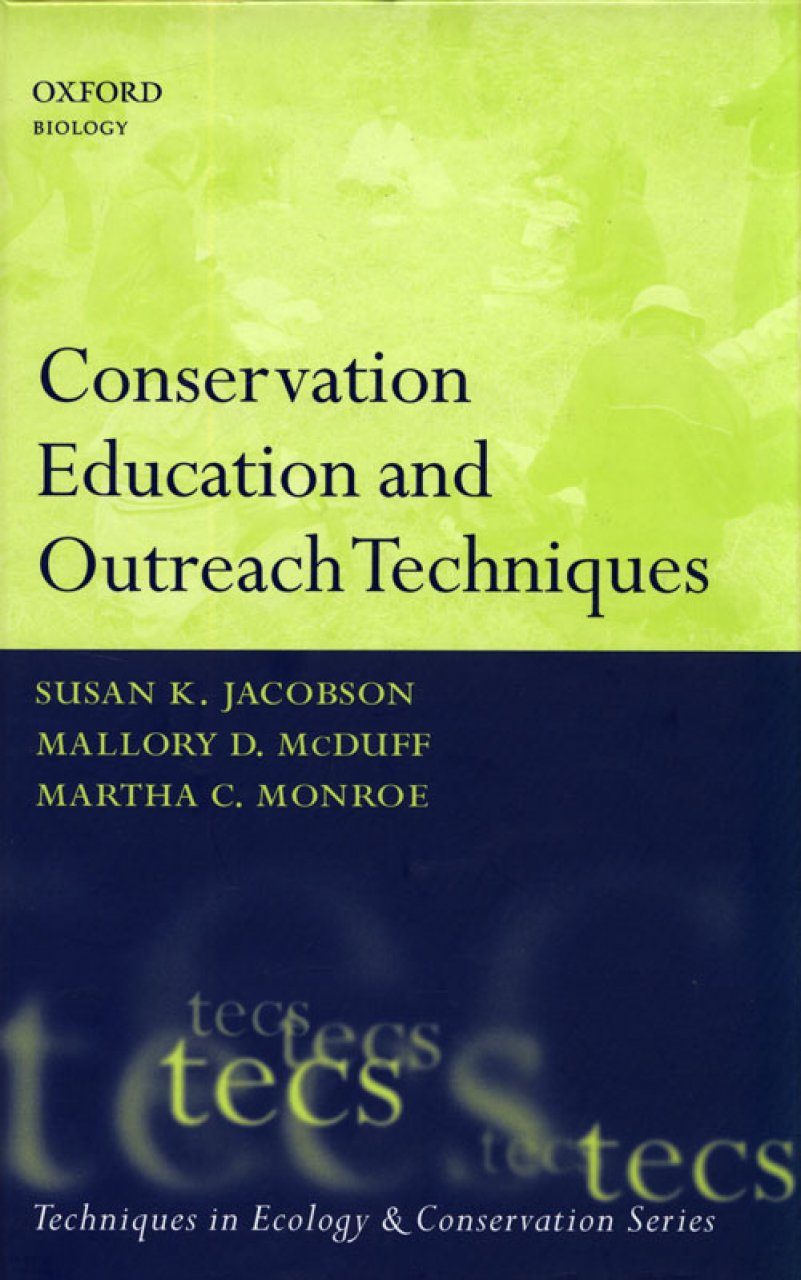
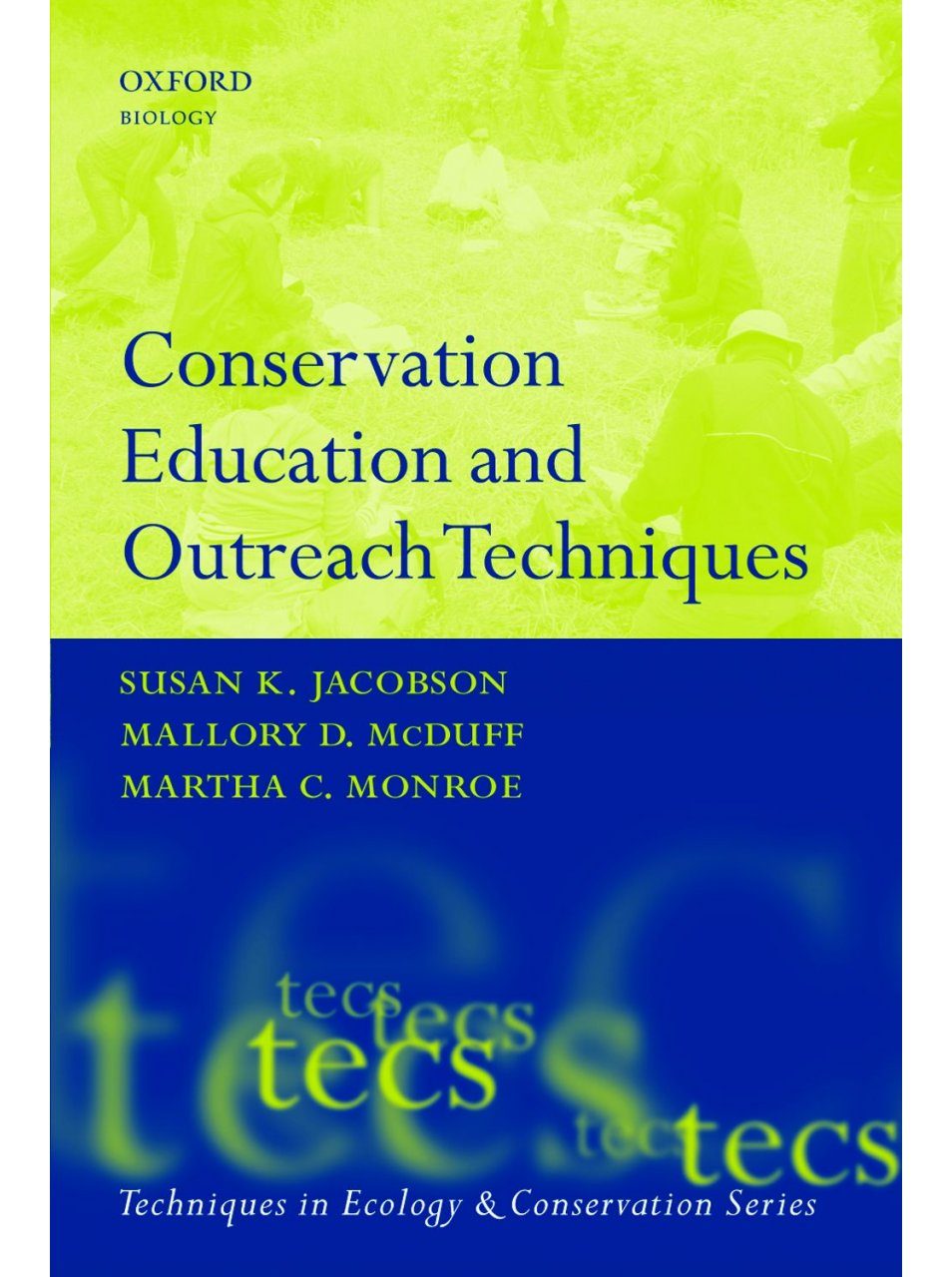
The conservation of biological diversity depends on people's knowledge and actions. This book presents the theory and practice for creating effective education and outreach programmes for conservation. Jacobson, McDuff, and Monroe describe an exciting array of techniques for enhancing school resources, marketing environmental messages, using mass media, developing partnerships for conservation, and designing on-site programmes for natural areas and community centres. Vivid case studies from around the world illustrate techniques and describe planning, implementation, and evaluation procedures, enabling readers to implement their own new ideas effectively. Conservation Education and Outreach includes twelve chapters illustrated with numerous photographs showing education and outreach programmes in action, each incorporating an extensive bibliography. Helpful text boxes provide practical tips, guidelines, and recommendations for further exploration of the chapter topics. This book will be particularly relevant to conservation scientists, resource managers, environmental educators, students, and citizen activists. It will also serve as a handy reference and a comprehensive text for a variety of natural resource and environmental professionals.
The paperback edition of this title in the TEC series is available via The Gratis Books Scheme, see below.
The Gratis Books Scheme
In the developing world, many conservation biologists and ecologists do not have the funds to obtain key materials such as the titles published in this series. In response to this problem, the publishers have agreed to donate 200 paperback copies of each title on publication (and 100 copies of each subsequent reprint) to the Gratis Books Scheme, which seeks to distribute key publications free of charge to those from outside Western Europe, North America, Japan, Australia and New Zealand who would otherwise be unable to obtain them, thus spreading ecological knowledge as widely as possible.
The Gratis Books Scheme is the brainchild of Professor W.J.Sutherland of the University of East Anglia. This initiative, the first of its kind, has been warmly received by the conservation biology community and indeed has received coverage in prestigious journals such as Nature and Science. The scheme is supported by the British Ecological Society (who pay the postage costs for each shipment), and the NHBS Environment Bookstore, which provides a range of services to the Gratis Books Scheme on a pro bono basis, including hosting of the Gratis webpage, and handling all storage, despatch and communications with recommenders and recipients.
For more information, see
http://www.nhbs.com/Conservation/gratis-books.html.
Introduction
1: Designing successful conservation education and outreach
2: Learning and teaching with adults and youth
3: Changing conservation behaviors
4: Conservation education in the schools
5: Making conservation come alive
6: Using the arts for conservation
7: Connecting classes and communities with conservation
8: Networking for conservation
9: Marketing conservation
10: Getting out your message with the written word
11: Taking advantage of educational technology
12: Designing on-site activities
References
Index
"This is an excellent text. It has brought together a wide range of activities and ideas which will make the work of the conservation educator (and in most cases any educator!) that much easier. Overall, this book should be required reading in all conservation education classes and indeed any teacher-training class."
- British Ecological Societys Teaching Ecology Group