United States
£ GBP
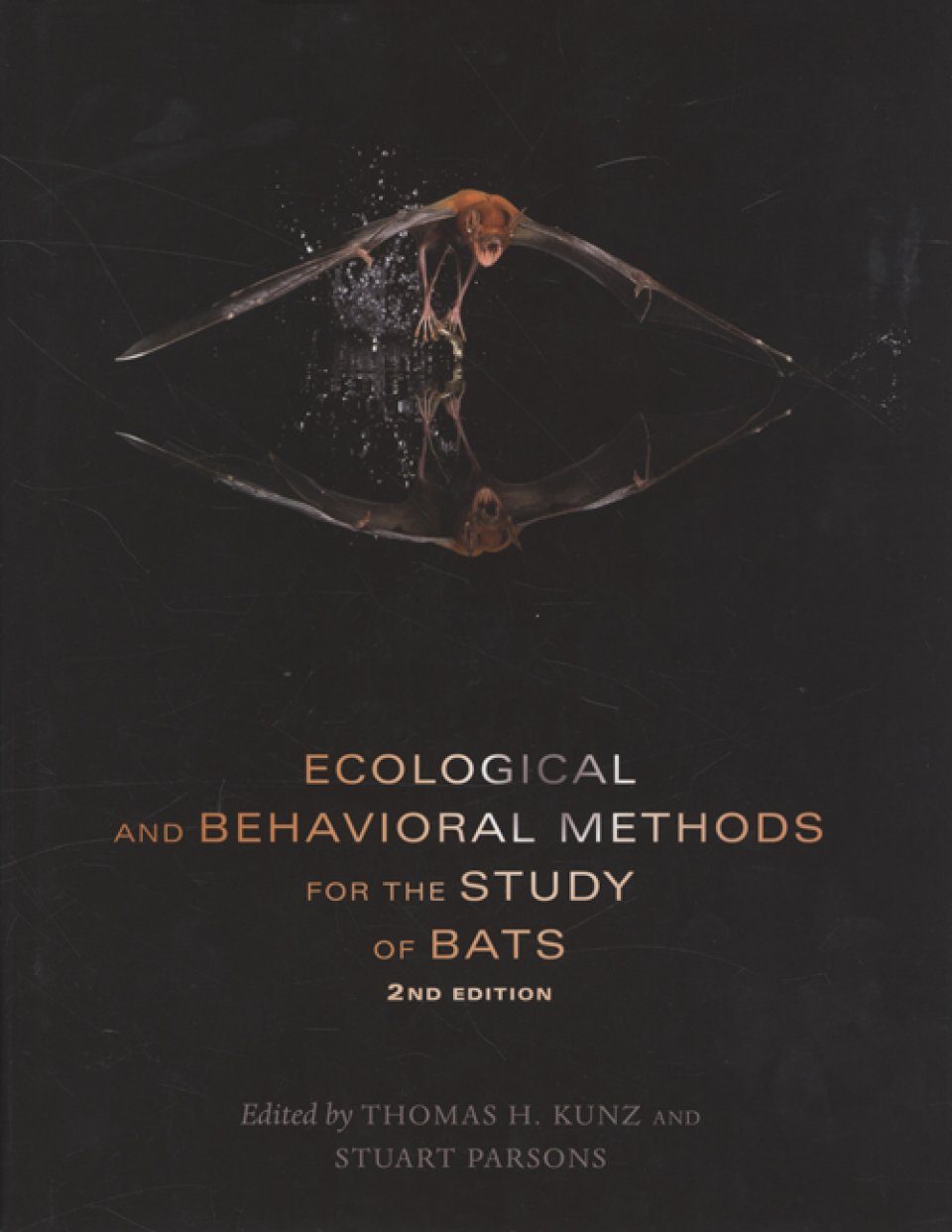
First published in 1988, "Ecological and Behavioral Methods for the Study of Bats" is widely acknowledged as the primary reference for both amateur and professional bat researchers. Only one group of mammals includes more species than bats. Bats live on every continent except Antarctica, range from deserts to tropical forests to mountains, and their activities have a profound effect on the ecosystems in which they live. Despite their ubiquity and importance, bats are challenging to study. This volume provides researchers, conservationists, and consultants with the ecological background and specific information needed to study bats in the wild and in captivity.
The chapters not only describe the most commonly used field and laboratory techniques and also provide information on many new methods and techniques, but they also provide information on many new methods and techniques needed to advance the study of bats. This book describes how these methods are applied to the study of the ecology and behavior of bats both in the field and in the laboratory and provides advice on how to interpret the results of research.
The book includes forty-three chapters, fourteen of which are new to this second edition, with information on molecular ecology and evolution, bioacoustics, chemical communication, flight dynamics, population models, and methods for assessing postnatal growth and development.
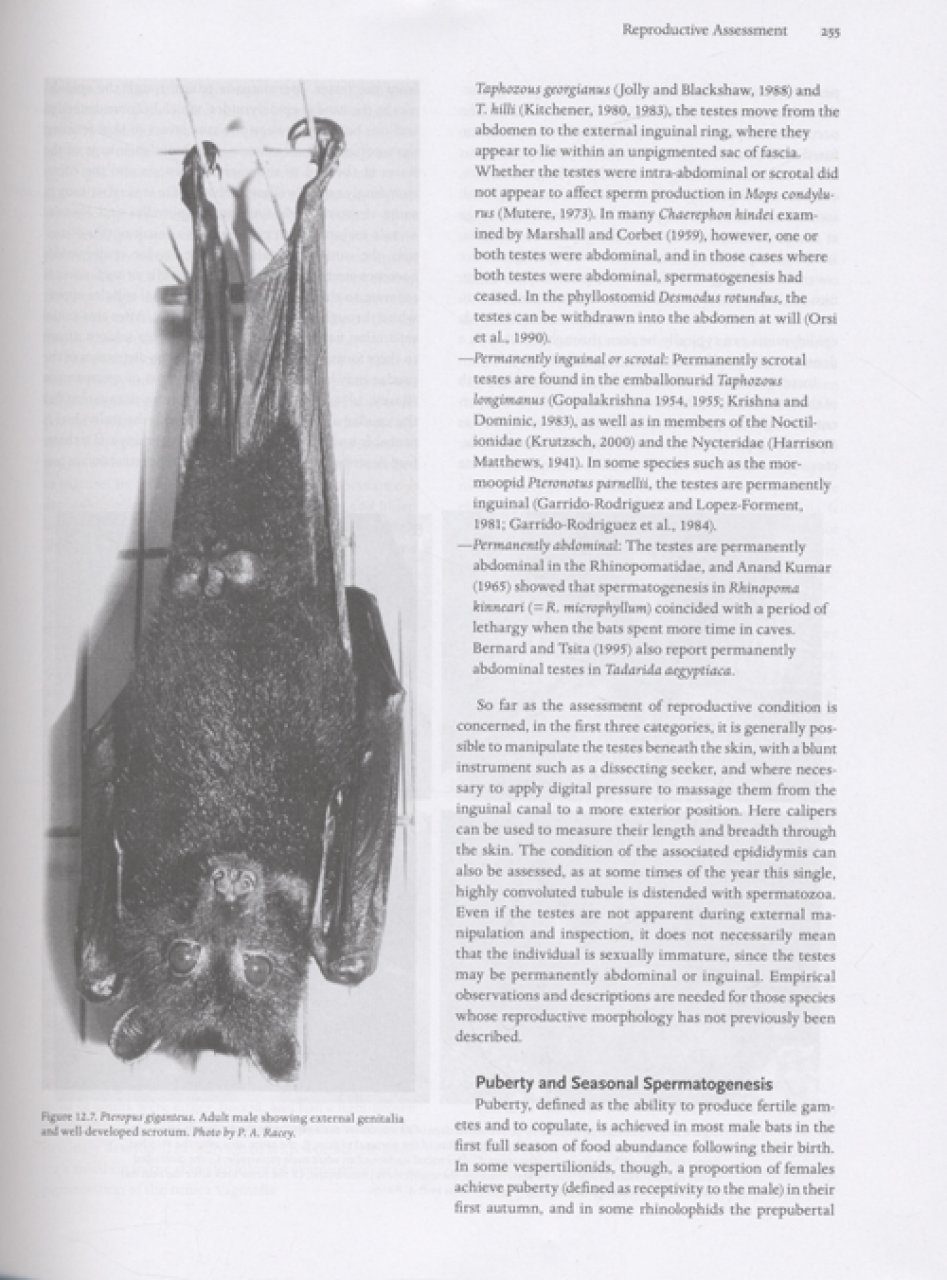
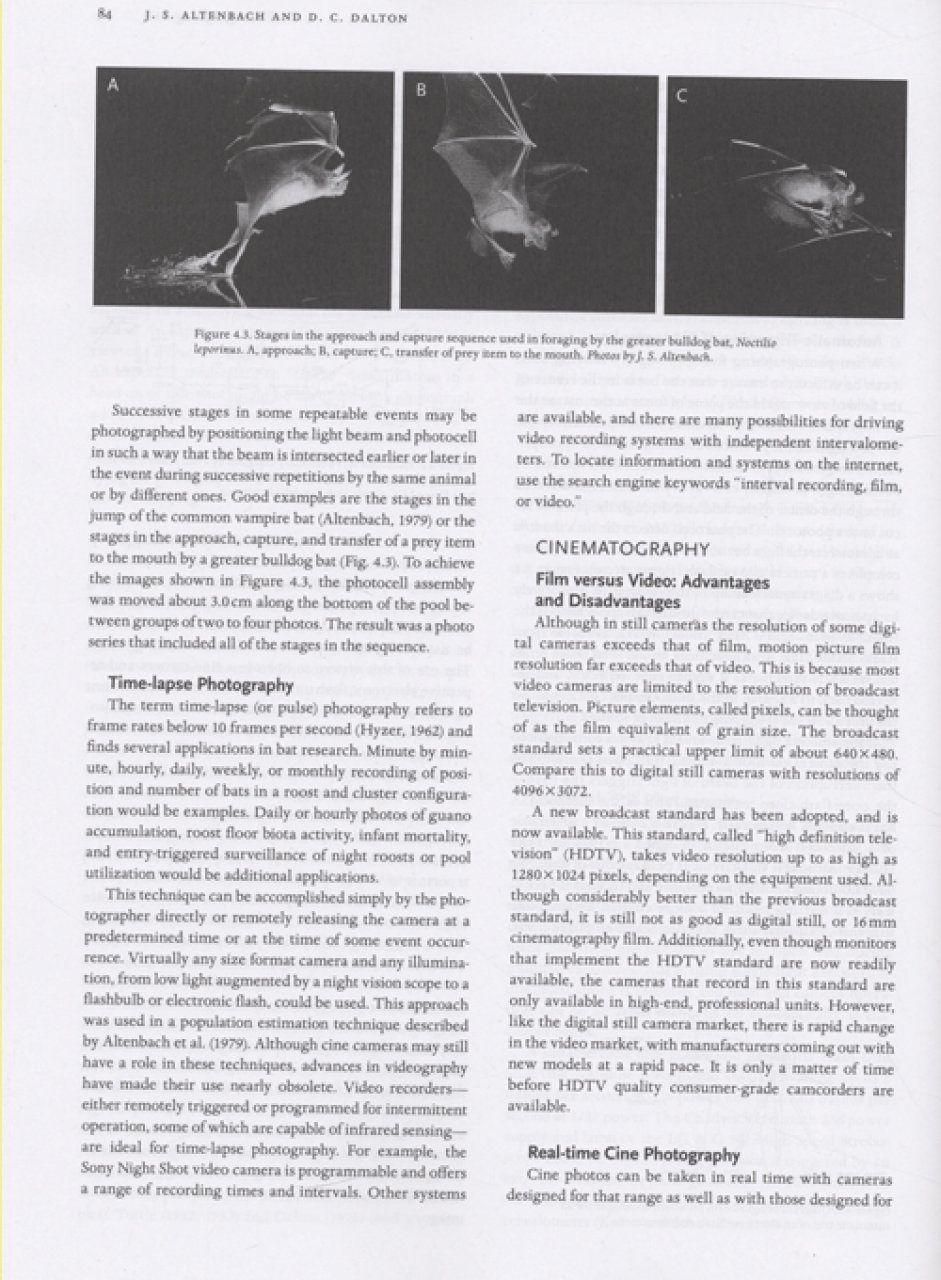
Fully illustrated and featuring contributions from the world's leading experts in bat biology, this reference contains everything bat researchers and natural resource managers need to know for the study and conservation of this wide-ranging, ecologically vital, and diverse taxon.
Thomas H. Kunz is a professor of biology and director of the Center for Ecology and Conservation Biology at Boston University. He is the editor of "Bat Biology and Conservation" and "Bat Ecology".
Stuart Parsons is a senior lecturer in biological sciences at the University of Auckland, New Zealand.
This volume provides researchers, conservationists, and consultants with the ecological background and specific information essential for studying bats in the wild and in captivity.
- Ian Paulsen Birdbooker Report 2009
"A highly readable and fascinating discussion that will have broad appeal to anyone interested in the biology, natural history, and conservation of bats. PRS Newsletter 2010 Highly readable and fascinating discussion that will have broad appeal to anyone interested in the biology, natural history, and conservation of bats."
- Danny A. Brass NSS News 2010
"This colossal, 901 page, 43 chapter, 11 part undertaking represents the 2nd edition of the renowned 'Kunz 1988' reference. Such a mammoth undertaking by 84 contributors and edited by Tom Kunz and Stuart Parsons, warranted review by more than one person... hopefully providing you with an indication of the quality and resourcefulness of the book as a whole."
- Australasian Bat Society Newsletter 2010
"Well-written, authoritative work... This practical guide for laboratory and field investigations will be an enormously valuable resource for students, researchers, and wildlife biologists."
- Choice 2010
"'Ecological and Behavioral Methods for the Study of Bats' more than delivers on its promise to provide a practical guide for students, researchers, and wildlife biologists. It should be on the bookshelves of every bat biologist and required reading for other researchers interested in bats."
- Animal Behavior 2010
"This monumental book... represents the 2nd edition of one of the most important references for amateur and professional bat researchers... This reference contains all that student and researchers need to know for the study of bats, a 'must'."
- Nicolas Nesi Mammalia 2010
"In short, although bat biologists will love this book, and for good reason, many other biologists should as well."
- Quarterly Review of Biology 2011
"Will be indispensable for field and laboratory studies on bats for decades to come."
- Zoological Journal of the Linnean Society 2011