Field Guide to Wildlife of The Gambia: An Introduction to Common Flowers and Animals
- Description
- Images (4)
- Write a review
The Gambia, located on the coast of tropical West Africa supports a diverse range of habitat types, from forests to mangrove swamps. It has a rich and
biodiverse biota, which for some groups such as birds and mammals is relatively well known. However, for groups such as arachnids and most insect
orders very little information is available. This is particularly true of most Gambian invertebrates, which form the main focus of this book, which
includes many new country records even at the ordinal level.
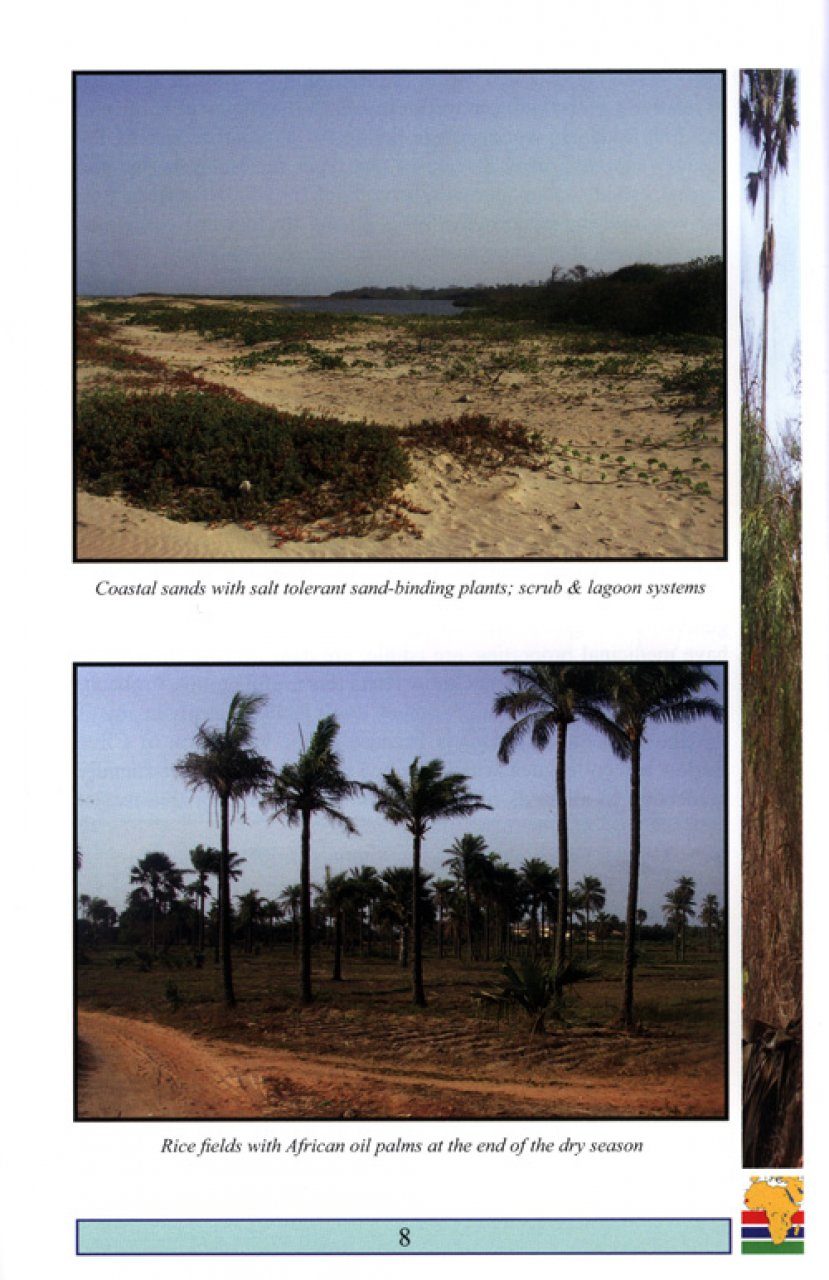
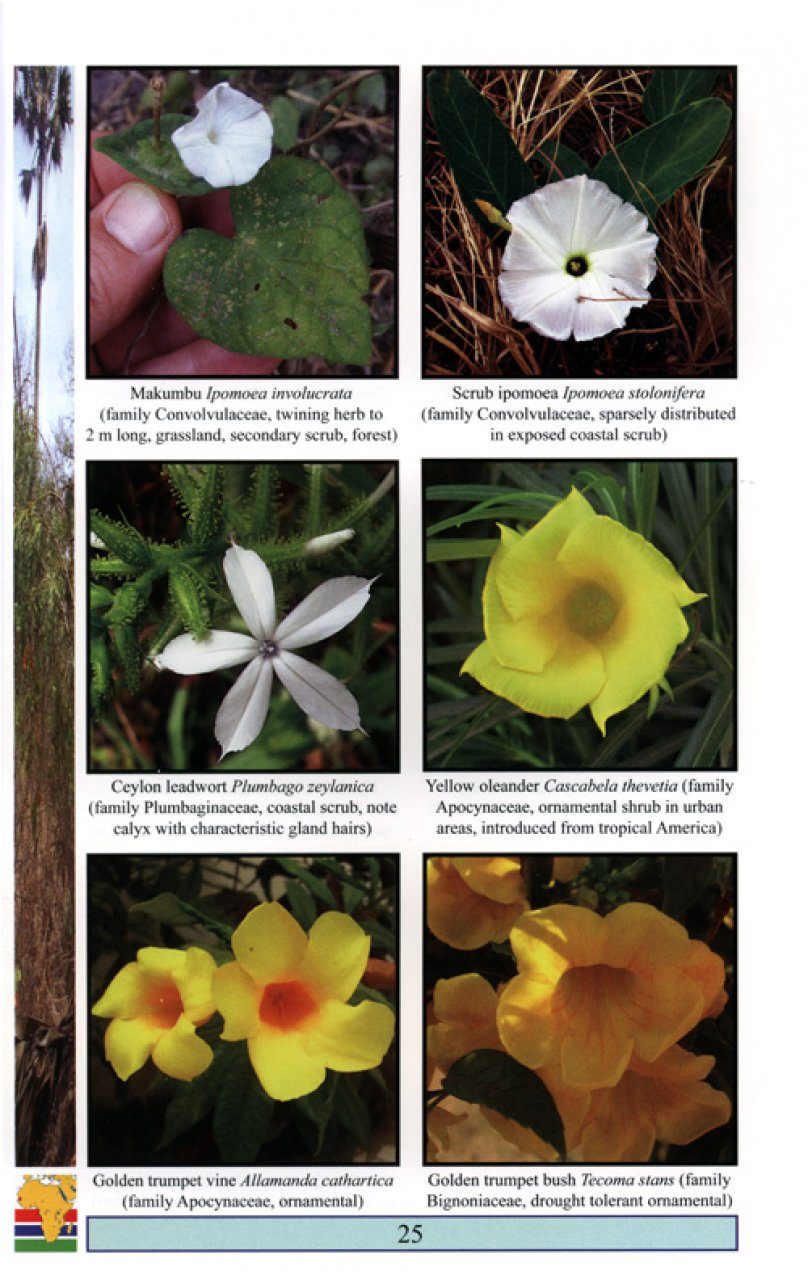
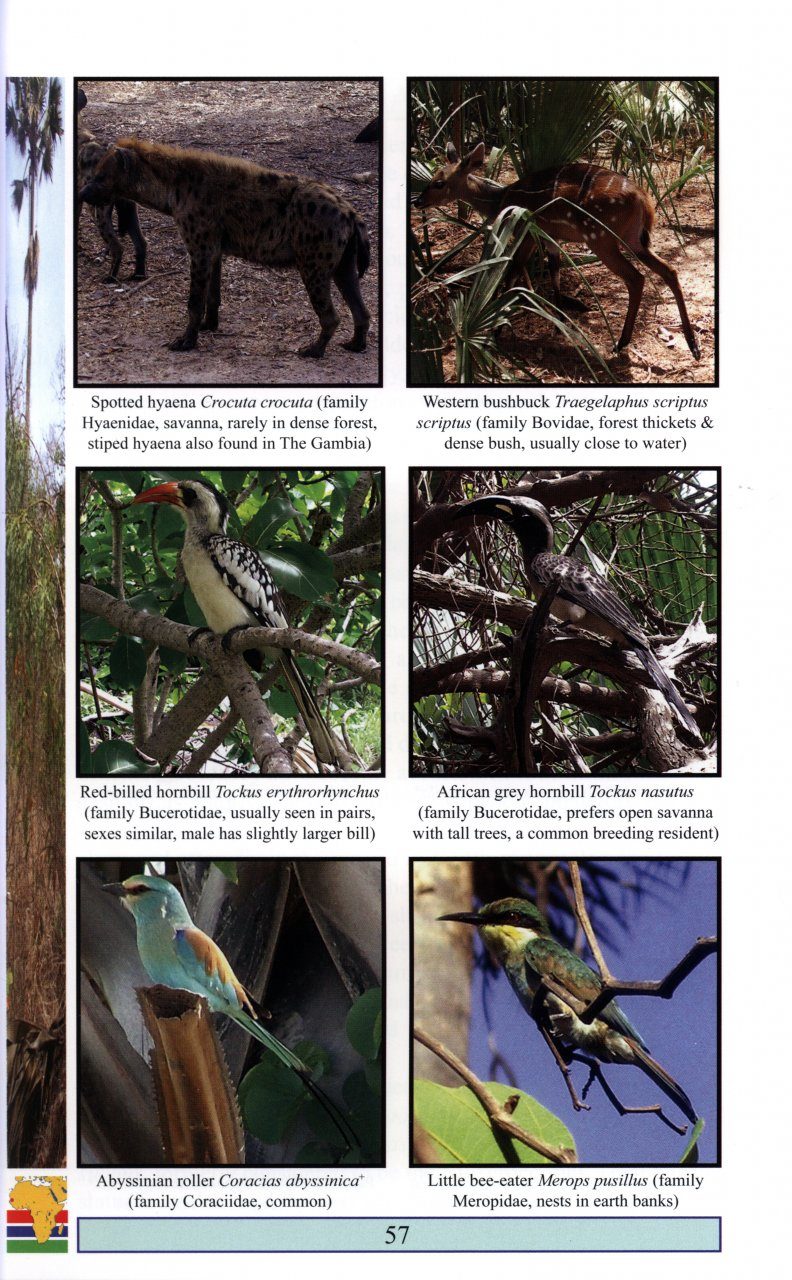
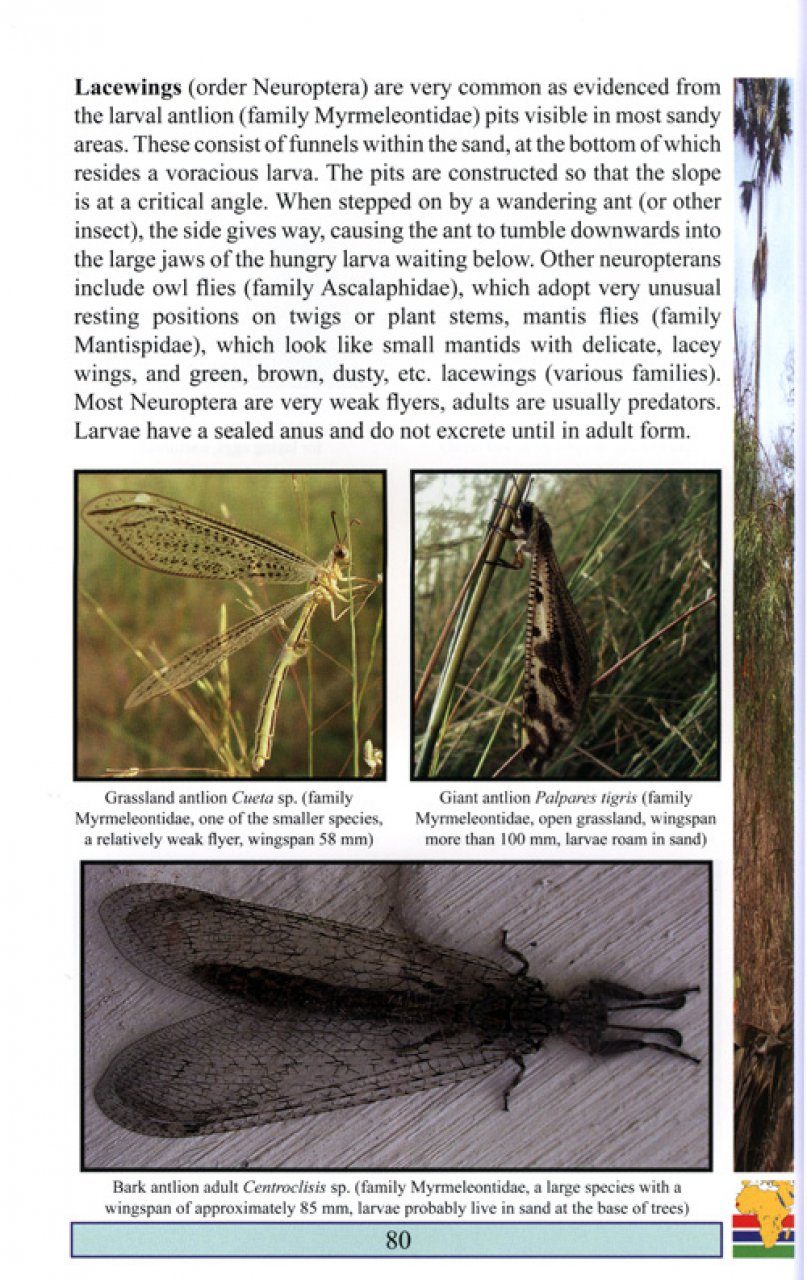
The contents include a brief introduction and scope including what is known about the Gambian fauna and flora and the climate and geology of The Gambia, including the various different habitat types. This is followed by the field guide section, with everything illustrated by beautiful close-up colour photographs of live animals taken in the field. Sections include: Flowering Plants (102 photos), Fungi (16 photos), Mammals & Birds (18 photos), Reptiles & Amphibians (28 photos), Dragonflies & Damselflies (14 photos), Cockroaches (4 photos), True Bugs (32 photos), Grasshoppers & Crickets (10 photos), Antlions & Lacewings (9 photos), Termites (4 photos), Mantids, Earwigs & Web Spinners (12 photos), Beetles (54 photos), Moths & Butterflies (90 photos), Ants (8 photos), Sawflies, Bees & Wasps (28 photos), True Flies (22 photos), Spiders (78 photos), Other Arachnids (12 photos) and Millipedes & Centipedes (8 photos).
The book concludes with short sections on biodiversity and conservation issues and additional resources for those wanting to seek further information. The final page of acknowledgements includes many internationally recognized taxonomists who are experts for various different groups, adding confidence in the identifications provided, many of which are to genus and species level. Apart from being an extremely useful introduction to the flora and fauna for a general readership, the work is also of important scientific value. Many of the species illustrated represent new records for The Gambia and even West Africa in general.
The contents include a brief introduction and scope including what is known about the Gambian fauna and flora and the climate and geology of The Gambia, including the various different habitat types. This is followed by the field guide section, with everything illustrated by beautiful close-up colour photographs of live animals taken in the field. Sections include: Flowering Plants (102 photos), Fungi (16 photos), Mammals & Birds (18 photos), Reptiles & Amphibians (28 photos), Dragonflies & Damselflies (14 photos), Cockroaches (4 photos), True Bugs (32 photos), Grasshoppers & Crickets (10 photos), Antlions & Lacewings (9 photos), Termites (4 photos), Mantids, Earwigs & Web Spinners (12 photos), Beetles (54 photos), Moths & Butterflies (90 photos), Ants (8 photos), Sawflies, Bees & Wasps (28 photos), True Flies (22 photos), Spiders (78 photos), Other Arachnids (12 photos) and Millipedes & Centipedes (8 photos).
The book concludes with short sections on biodiversity and conservation issues and additional resources for those wanting to seek further information. The final page of acknowledgements includes many internationally recognized taxonomists who are experts for various different groups, adding confidence in the identifications provided, many of which are to genus and species level. Apart from being an extremely useful introduction to the flora and fauna for a general readership, the work is also of important scientific value. Many of the species illustrated represent new records for The Gambia and even West Africa in general.
Other titles in related geozones:
Other titles in related subjects:
All titles in Africa combined with Gambia
Other products from the same publisher
related organisations include:
Reef and Rainforest Tours
Safari Consultants
The African Conservation Foundation
If you are involved in a scientific, conservation or environmental organisation and would like to be listed, please see our NHBS-Xchange information page.

Subject