

United States
£ GBP
The geological record in Great Britain reflects some 2900 million years of Earth history, an exceptionally long record for such a relatively small portion of the Earth's crust. The rocks bear testimony to a complex geological evolution through time that led to the formation of what we now call `Britain', with rock sequences developing in a variety of tectonic settings, and being subject to a range of Earth processes - including a series of mountain-building events, and episodes of major igneous activity. It is the complexity of the series of tectonic processes that Britain has undergone that has led to a great diversity in the rock record, and to a wide spectrum of mineral deposit types.
Although in England and Wales the oldest rocks are probably only around 700 million years old, these two countries host a vast range of mineralization styles, many of which provided deposits of economic significance in the past and which were exploited over many centuries. Tin and copper ores were being smelted here perhaps as much as 4000 years ago at the start of the British Bronze Age, and the availability of iron ore was an important factor at the outset of the `Industrial Revolution' that began in Britain in the 18th Century.
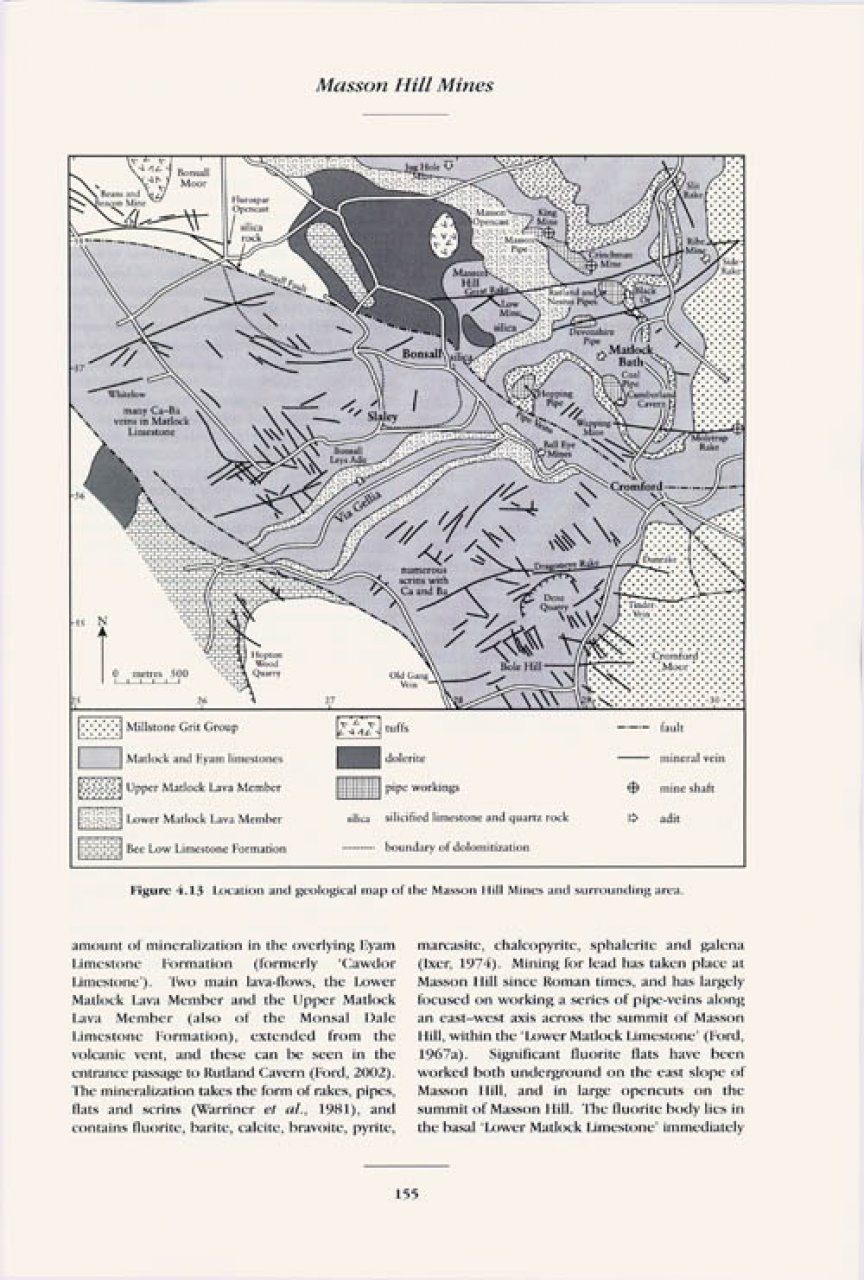
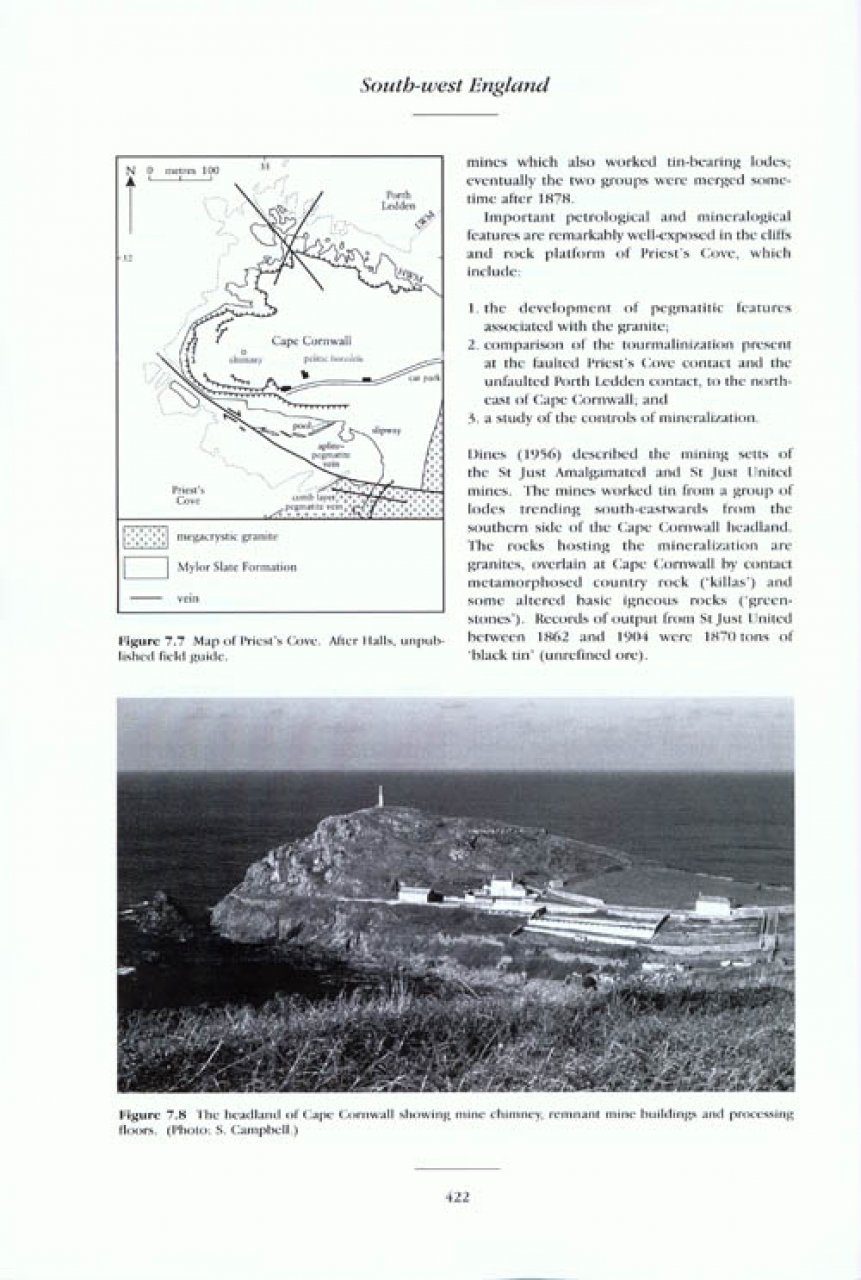
This volume describes in detail the scientific importance of sites that were selected for the Geological Conservation Review for their importance to the study of mineralogy and mineral-forming processes. The networks of sites are intended to be representative of the variety of the nature of mineral deposits, including metal ore bodies, to be found in the British Isles. Some sites were selected because they provide evidence of a particular mineralizing process, whereas others are recognized for the aesthetic quality of mineral specimens found at those sites, many of which now reside in major mineral museums throughout the world. Other sites are of importance for being the type locality of a particular mineral species or because a mineral rare on a world scale is found there. Collectively the GCR sites demonstrate a wide variety of mineralization styles and form an important scientific resource for future study.










![Minerales de las Islas Canarias [Minerals of the Canary Islands]](http://mediacdn.nhbs.com/jackets/jackets_resizer_medium/22/225122.jpg?height=150&width=104)


