

United States
£ GBP
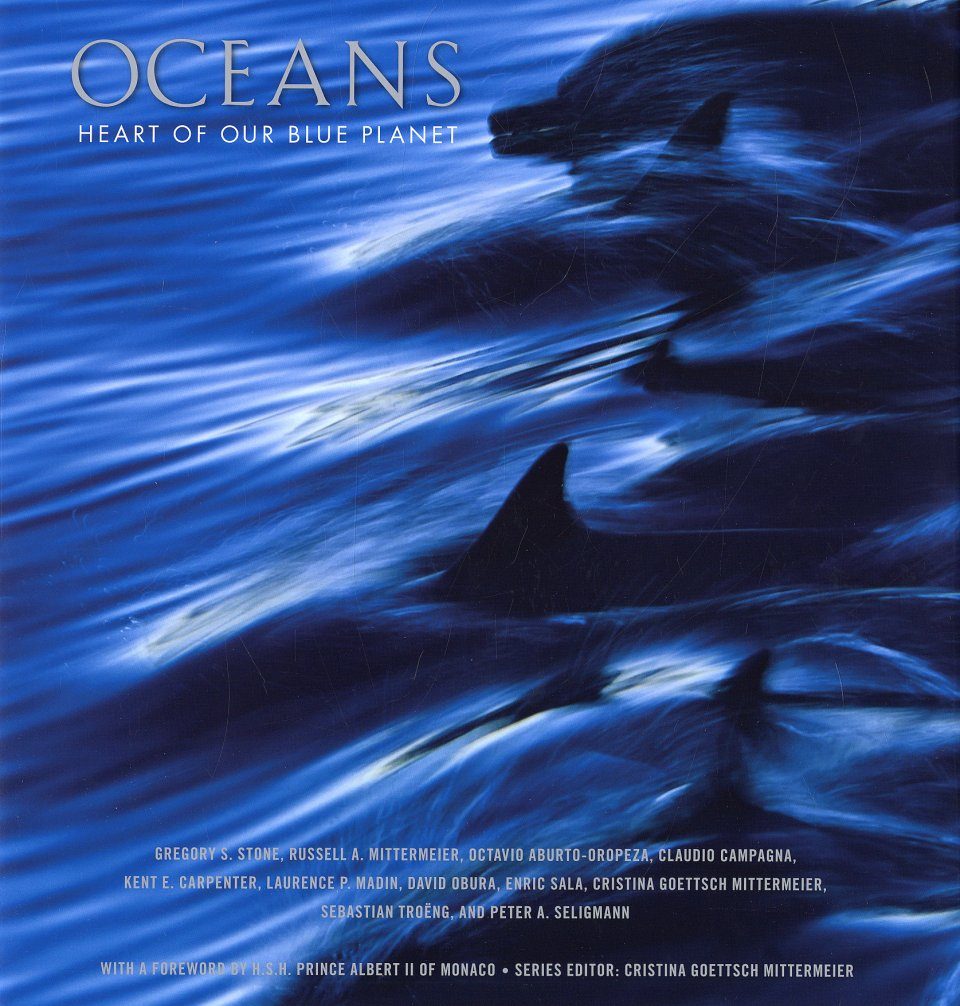
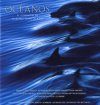
Water makes life on Earth possible, and every drop of it comes from and returns to the ocean. For centuries we have taken the ocean for granted, viewed it as inexhaustible, unknowable; a vast, briny, deep mystery. Oceans: Heart of Our Blue Planet, the 19th volume in the CEMEX Conservation Book Series, looks at the many ways in which all life on Earth depends on a healthy ocean and analyzes the many threats facing its integrity and the welfare of the thousands of people and species that live in and near marine environments. More importantly, this lavishly illustrated book helps connect the dots for why human survival on Earth is directly linked to the ocean and offers innovative and creative solutions to those threats by some of the most respected and forward-thinking marine scientists.
Humankind ventured forth upon the sea in boats, at first tentatively hugging the shoreline but eventually venturing across long distances of open water to colonize the whole planet. As we learn more about our planet's oceans and their enormous influence on climate, freshwater cycling, food security and human health, we will be better prepared to create policies that protect ocean landscapes and services that are critical to human societies.
With a moving foreword written by HSH Prince Albert of Monaco, Oceans: Heart of Our Blue Planet, includes 7 chapters by influential marine scientists lead by Dr. Greg Stone and Dr. Russell A. Mittermeier of Conservation International. The authors, who represent some of the world's most prestigious ocean conservation and research institutions, including The New England Aquarium, Scripps Institution of Oceanography, Woods Hole Oceanographic Institution, National Geographic, Old Dominion University, Wildlife Conservation Society, Coastal Oceans Research and Development in the Indian Ocean, and Code Blue present a comprehensive picture of what is happening to our world's oceans. They go a step further to identify specific seascapes where the ground is being laid for policy and management practices that will ensure better marine governance among the various countries that have sovereign rights to those marine resources.
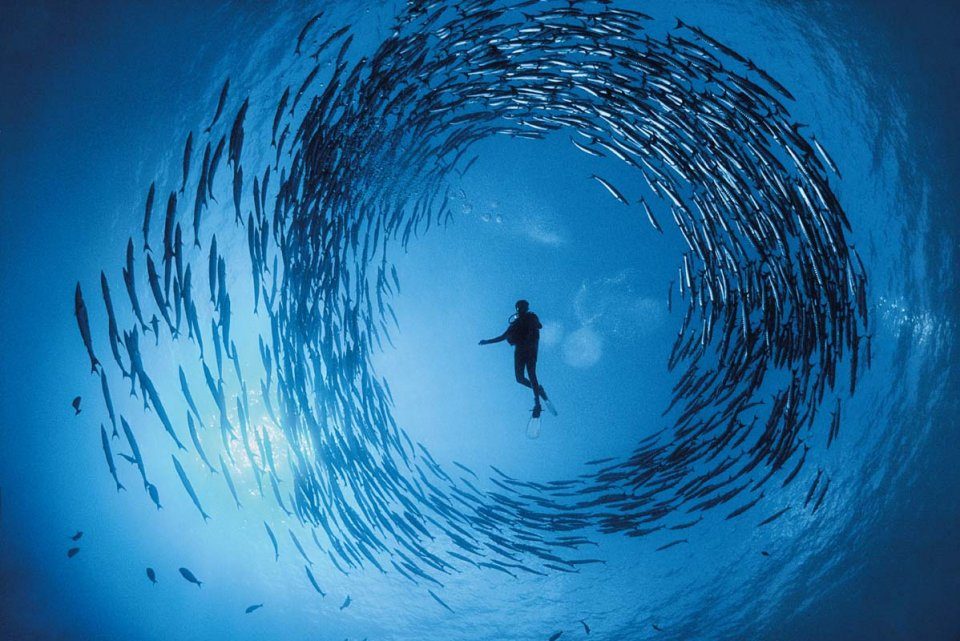
Powerfully illustrated with over 150 photographs by some of the world's leading conservation photographers, Oceans: Heart of Our Blue Planet, is a pictorial call to action on one of today's most pressing conservation challenges. How we move forward to protect the ocean, its resources and the myriad of ecological services it provides for all humanity, within large part will determine how successful we are in securing an environmentally sound future for generations to come.
Foreword 7
A tribute to Dr. Sylvia Earle 7
A message from CEMEX 11
Preamble 13
Introduction 17
Chapter 1. Healthy ocean, healthy people, healthy planet 29
Chapter 2. Ocean biomes 51
Chapter 3. Ocean biodiversity 67
Chapter 4. Marine flagship species 85
Chapter 5. The seascape approach: securing healthy oceans for thriving people 103
Chapter 6. Seascapes 114
- The Eastern Tropical Pacific seascape 116
- The Coral Triangle 124
- The Patagonian Sea 132
- The Polar Oceans 138
- The Mediterranean Sea 148
- The Central Pacific Ocean 154
- The Western Indian Ocean 162
- The Abrolhos Seascape 168
- The Gulf of California (Sea of Cortés) 174
Chapter 7. Managing the oceans 185
Epilogue 207
About the authors 208
References 213
Staff credits 247












![Primatas do Amapá: Guia de Identificação de Bolso [Primates of Amapá: Pocket Identification Guide]](http://mediacdn.nhbs.com/jackets/jackets_resizer_medium/18/181441.jpg?height=150&width=66)


![Grenouilles de Madagascar du Genre Mantella: Guide d'Identification de Poche [Frogs of Madagascar, Genus Mantella: Pocket Identification Guide]](http://mediacdn.nhbs.com/jackets/jackets_resizer_medium/18/181535.jpg?height=150&width=67)
