

United States
£ GBP
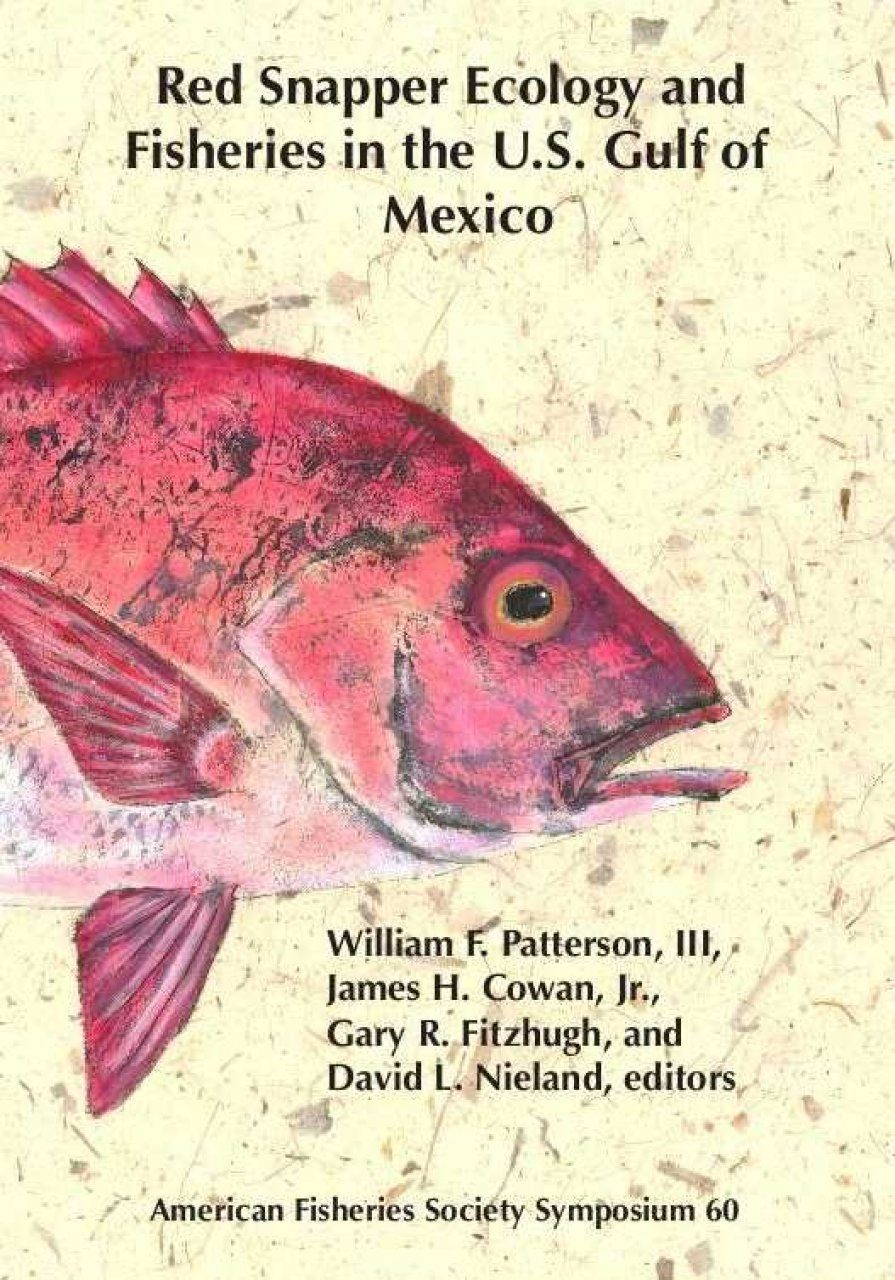
Red snapper is among the most ecologically and economically important reef fishes in the northern Gulf of Mexico. Fisheries management for the species also happens to be among the most controversial in the U.S. Gulf red snapper has been estimated to be overfished and undergoing overfishing since at least the late 1980s. Management is complicated, however, because the greatest source of mortality for red snapper is believed to come from shrimp trawl bycatch, not the directed fisheries. Despite all efforts to solve the bycatch problem and otherwise recover red snapper, the stock remains significantly overfished.
Few other species or assemblages have had as many financial resources contributed to improve knowledge of basic population biology, engineer solutions to management issues such as shrimp trawl bycatch, develop state-of-the-art assessment techniques, and implement novel management approaches as has Gulf red snapper. This volume provides the state of knowledge for research on red snapper ecology and fisheries.












![Welcher Fisch ist das?: Die Susswasserfische Mitteleuropas [What Fish is That?: The Freshwater Fish of Central Europe]](http://mediacdn.nhbs.com/jackets/jackets_resizer_medium/20/209957.jpg?height=150&width=89)


![The Natural History of the Fishes of Japan [Japanese]](http://mediacdn.nhbs.com/jackets/jackets_resizer_medium/24/242707.jpg?height=150&width=98)


