United States
£ GBP
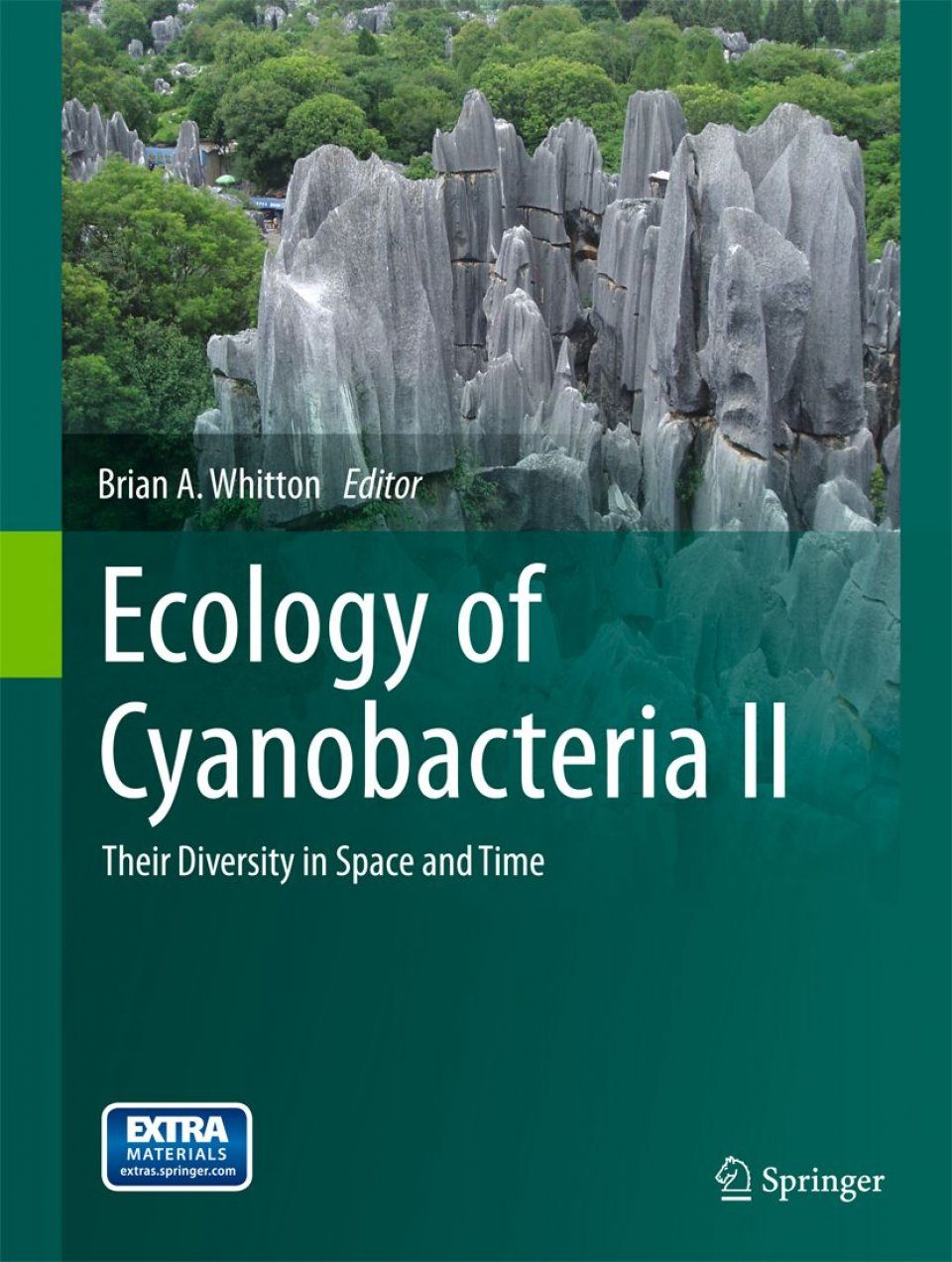
Cyanobacteria have existed for 3.5 billion years, yet they are still the most important photosynthetic organisms on the planet for cycling carbon and nitrogen. The ecosystems where they have key roles range from the warmer oceans to many Antarctic sites. They also include dense nuisance growths in nutrient-rich lakes and nitrogen-fixers which aid the fertility of rice-fields and many soils, especially the biological soil crusts of arid regions.
Molecular biology has in recent years provided major advances in our understanding of cyanobacterial ecology. Perhaps for more than any other group of organisms, it is possible to see how the ecology, physiology, biochemistry, ultrastructure and molecular biology interact. This all helps to deal with practical problems such as the control of nuisance blooms and the use of cyanobacterial inocula to manage semi-desert soils.
Large-scale culture of several organisms, especially Spirulina (Arthrospira), for health food and specialist products is increasingly being expanded for a much wider range of uses. In view of their probable contribution to past oil deposits, much attention is currently focused on their potential as a source of biofuel.