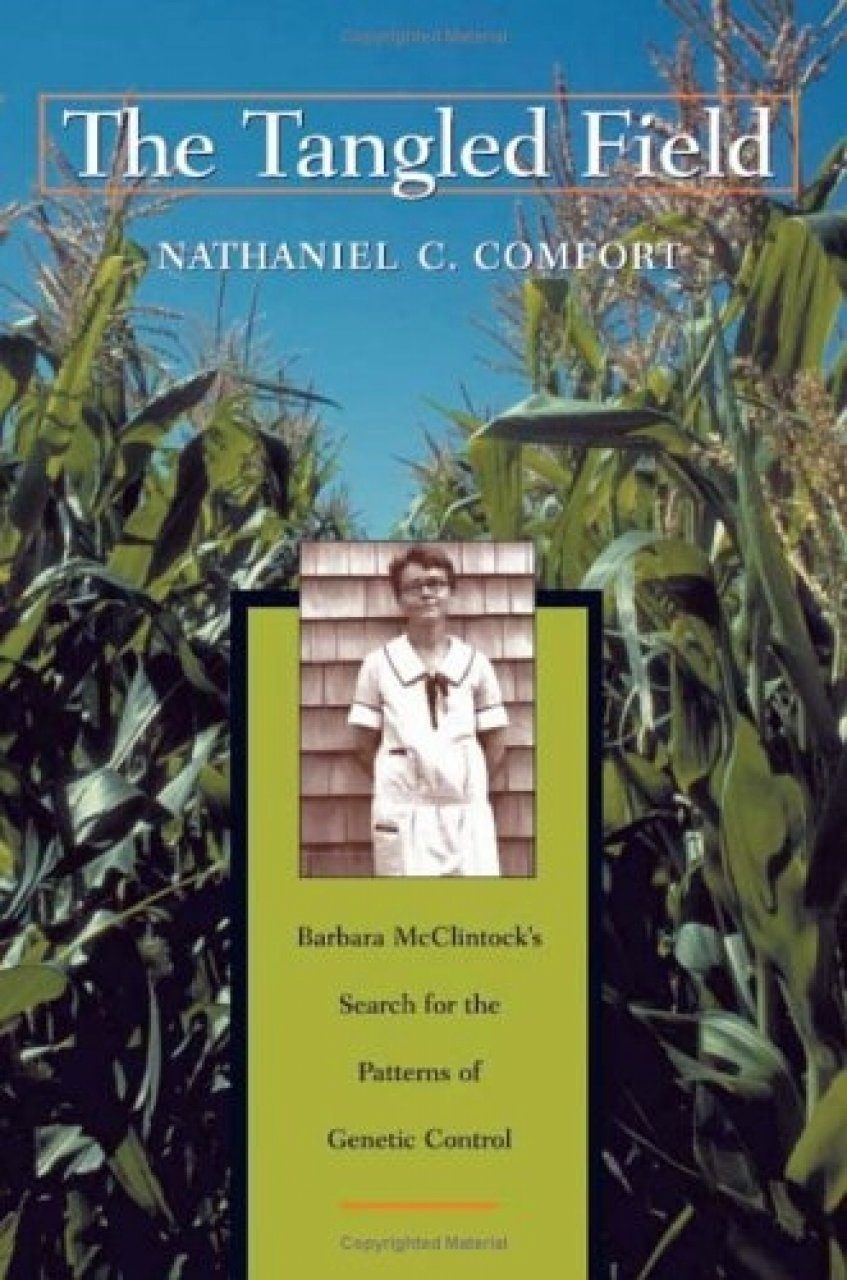
This biographical study illuminates one of the most important yet misunderstood figures in the history of science. McClintock (1902-1992) won the Nobel Prize for integrating classical genetics with microscopic observations of the behavior of chromosomes but was marginalised by colleagues as unorthodox, becoming an emblem of feminine scientific thinking.

Acknowledgments 1 Myth 2 Freedom 3 Integration 4 Pattern 5 Control 6 Complexity 7 Reception 8 Response 9 Renaissance 10 Synthesis Appendix: A Molecular Epilogue Notes Interviews Index Photographs follow page 68.
NATHANIEL C. COMFORT is Deputy Director, Center for History of Recent Science, George Washington University.
This readable biography of one of the twentieth century's most important geneticists interweaves fact and insight about McClintock as both person and scientist. Her discovery of mobile genetic elements in corn and her efforts to resolve fundamental problems in biology...make her...a rare visionary. - Natural History "An important contribution to the history of genetics...[McClintock's] life has served as a role model for women in science and as an example of the success that can come from unconventional thought and an independent approach. By...revealing the very human scientist, Comfort has given us a more accessible role model." - Susan Wessler, Science