Um genaue Preise zu sehen, wählen Sie bitte Ihr Lieferland.
 
 
United States
£ GBP
Alle Kategorien
Important Notice for US Customers

British Wildlife

8 issues per year 84 Seiten per Ausgabe Nur im Abonnement erhältlich

British Wildlife is the leading natural history magazine in the UK, providing essential reading for both enthusiast and professional naturalists and wildlife conservationists. Published eight times a year, British Wildlife bridges the gap between popular writing and scientific literature through a combination of long-form articles, regular columns and reports, book reviews and letters.

Abonnement ab £33 im Jahr

Conservation Land Management

4 Auflagen im Jahr 44 Seiten Nur im Abonnement erhältlich

Conservation Land Management (CLM) ist ein Mitgliedermagazin und erscheint viermal im Jahr. Das Magazin gilt allgemein als unverzichtbare Lektüre für alle Personen, die sich aktiv für das Landmanagement in Großbritannien einsetzen. CLM enthält Artikel in Langform, Veranstaltungslisten, Buchempfehlungen, neue Produktinformationen und Berichte über Konferenzen und Vorträge.

Subscriptions from £26 per year
Akademische und professionelle Bücher  Reference  Collections Management  Care & Conservation

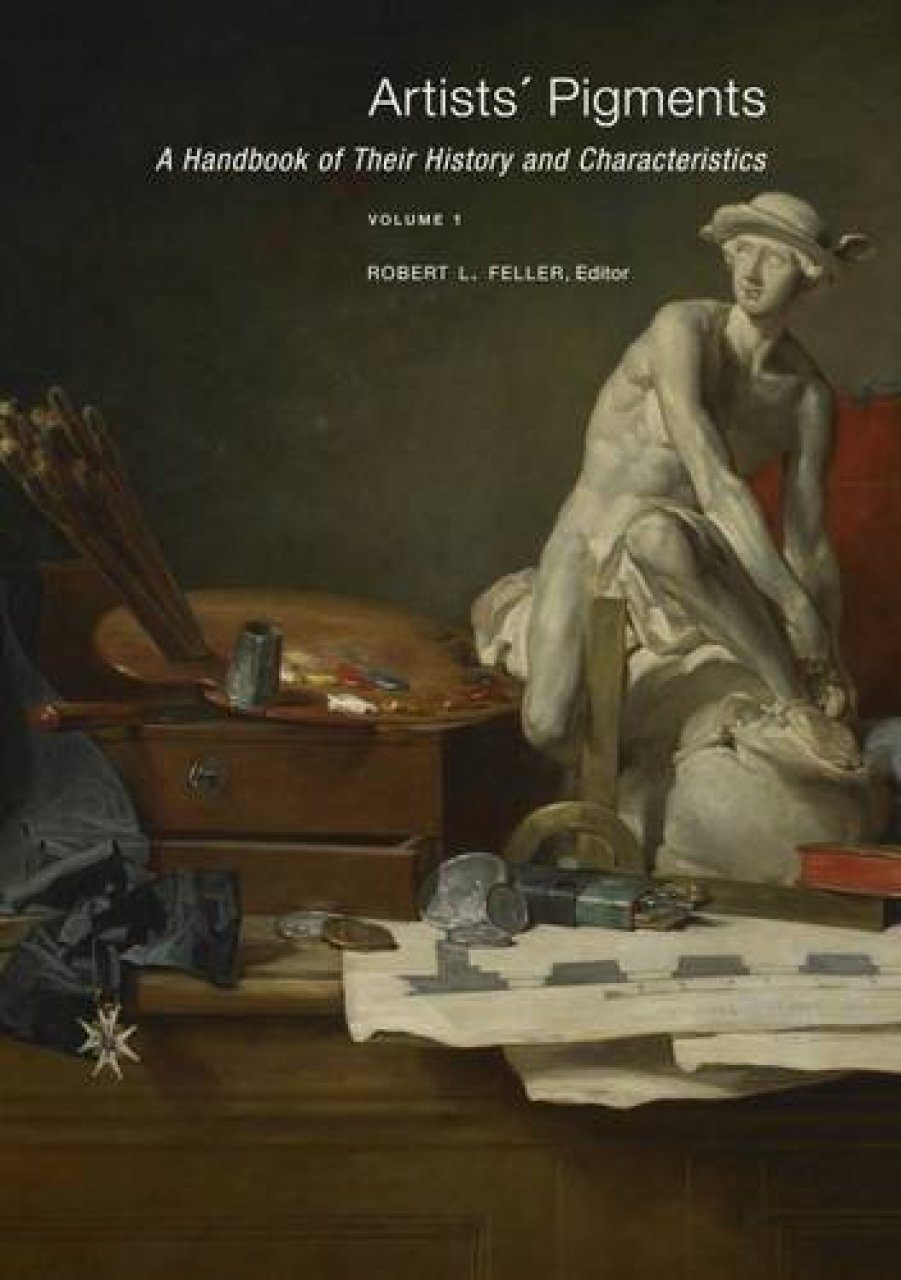
Artists' Pigments, Volume 1 A Handbook of Their History and Characteristics

By: Robert L Feller(Editor), J Carter Brown(Preface By)
300 pages, colour & b/w photos, colour & b/w illustrations, tables
Artists' Pigments, Volume 1
Click to have a closer look
  • Artists' Pigments, Volume 1 ISBN: 9781904982746 Hardback May 2012 Not in stock: Usually dispatched within 1-2 weeks
    £94.99
    #217911
Price: £94.99
About this book Contents Customer reviews Related titles
Images Additional images
Artists' Pigments, Volume 1Artists' Pigments, Volume 1Artists' Pigments, Volume 1Artists' Pigments, Volume 1

About this book

Each volume in this four-volume set concentrates on different pigments (see the contents for each volume). The series is an Encyclopedic Reference intended for:
- The practising artist to learn a pigment’s color, hiding power, lightfastness, toxicity, compatibility;
- The art historian to know how an artist worked, what pigments were used, whether they were pure or mixed, opaque or transparent, layered or not;
- The conservator to devise techniques necessary for the care and conservation of works of art, to determine what is original, to repair damages, to compensate for missing portions of a painted surface;
- The curator and the connoisseur to know the history of manufacture and use of pigments, to authenticate and assign probable dates to works of art;
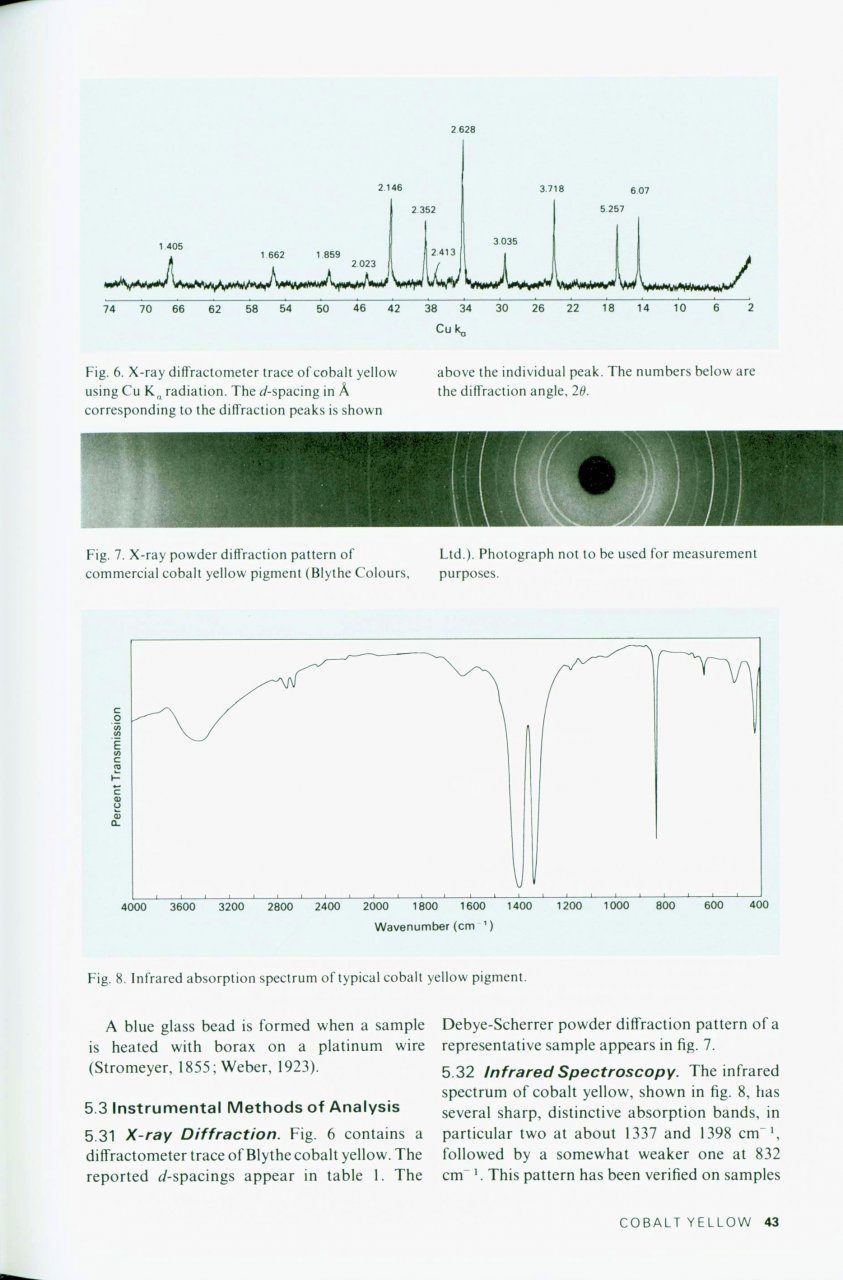
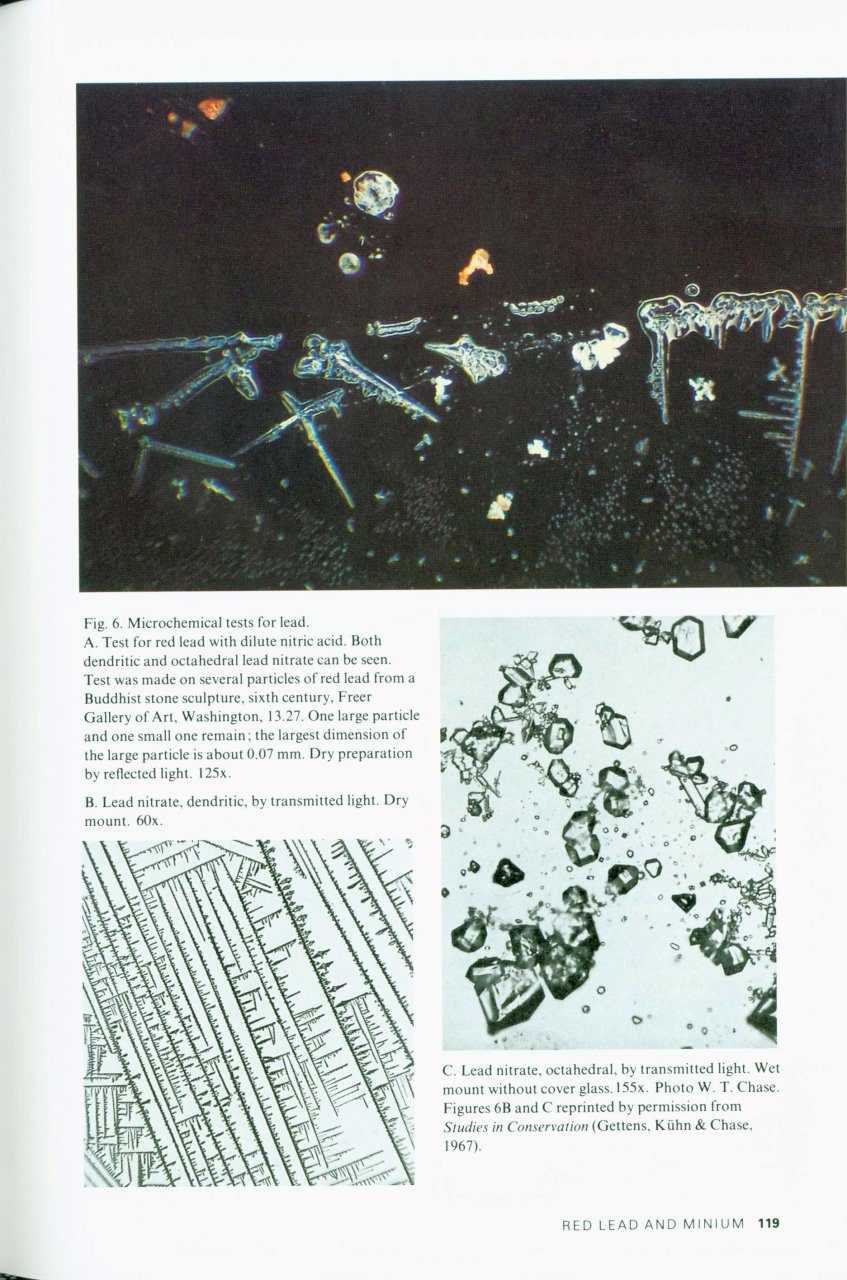
- The conservation scientist to learn identification methods used, including optical microscopy, microchemical tests, X-ray diffraction, infrared and reflectance spectrophotometry, and electron microscopy.

This volume has been reprinted without modification in the form first published in 1986.

Contents

- Indian yellow: N.S. Baer, A. Joel, R.L. Feller, and N. Indictor
- Cobalt yellow (aureolin): Maura Cornman
- Barium sulfate - natural and synthetic: Robert L. Feller
- Cadmium yellows, oranges, and reds: Inge Fiedler and Michael Bayard
- Red lead and minium: Elisabeth West Fitzhugh
- Green earth: Carol A. Grissom
- Zinc white: Hermann Kühn
- Chrome yellow and other chromate pigments: Hermann Kühn and Mary Curran
- Lead antimonate yellow: Ian N.M. Wainwright, John M. Taylor, and Rosamond D. Harley
- Carmine: Helmut Schweppe and Heinz Roosen-Runge
- Appendices: Robert L. Feller and Michael Bayard Ruth Johnston-Feller

Customer Reviews

By: Robert L Feller(Editor), J Carter Brown(Preface By)
300 pages, colour & b/w photos, colour & b/w illustrations, tables
Current promotions
Great GiftsNew and Forthcoming BooksBritish Wildlife Magazine SubscriptionField Guide Sale 2025