Um genaue Preise zu sehen, wählen Sie bitte Ihr Lieferland.
 
 
United States
£ GBP
Alle Kategorien
Important Notice for US Customers

British Wildlife

8 issues per year 84 Seiten per Ausgabe Nur im Abonnement erhältlich

British Wildlife is the leading natural history magazine in the UK, providing essential reading for both enthusiast and professional naturalists and wildlife conservationists. Published eight times a year, British Wildlife bridges the gap between popular writing and scientific literature through a combination of long-form articles, regular columns and reports, book reviews and letters.

Abonnement ab £33 im Jahr

Conservation Land Management

4 Auflagen im Jahr 44 Seiten Nur im Abonnement erhältlich

Conservation Land Management (CLM) ist ein Mitgliedermagazin und erscheint viermal im Jahr. Das Magazin gilt allgemein als unverzichtbare Lektüre für alle Personen, die sich aktiv für das Landmanagement in Großbritannien einsetzen. CLM enthält Artikel in Langform, Veranstaltungslisten, Buchempfehlungen, neue Produktinformationen und Berichte über Konferenzen und Vorträge.

Subscriptions from £26 per year
Akademische und professionelle Bücher  Environmental & Social Studies  Economics, Politics & Policy  Science & Technology  Biotechnology & the Environment

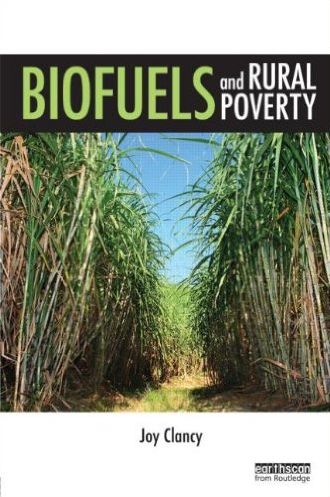
Biofuels and Rural Poverty

By: Joy Clancy(Author)
216 pages, 10 b/w illustrations
Publisher: Earthscan
Biofuels and Rural Poverty
Click to have a closer look
  • Biofuels and Rural Poverty ISBN: 9781844077199 Hardback Dec 2012 Not in stock: Usually dispatched within 1 week
    £145.00
    #179674
Price: £145.00
About this book Contents Customer reviews Biography Related titles

About this book

Biofuels and Rural Poverty makes an original contribution to the current controversial global debate on biofuels, in particular the consequences that large-scale production of transport fuel substitutes can have on rural areas, principally in developing countries but also in some poor rural areas of developed countries.

Three key concerns are examined from a North-South perspective: ecological issues (related to land use and biodiversity), pro-poor policies (related to food and land security, gender and income generation) and equity of benefits within the global value chain. Can biofuels be pro-poor? Can smallholder farmers be equitably integrated in the biofuels global supply chain? Is the biofuels production chain detrimental to biodiversity?

Most other books available on biofuels take a technical approach and are aimed at addressing energy security or climate change issues. Biofuels and Rural Poverty focuses on the socio-economic impacts on rural people's livelihoods, offering a unique perspective on the potential role of biofuels in reducing rural poverty.

Contents

1. Introduction
2. Energy and Rural Poverty
3. The Impacts of Large-scale Biofuel Production in Rural Communities
4. How Does Large-Scale Liquid Biofuel Production Affect Socio-Ecological Systems and Ecosystem Services?
5. Liquid Biofuel Production and Rural Communities' Food Security
6. Do Liquid Biofuels address Rural Energy and Poverty Issues?
7. Can Biofuels be Made Pro-Poor?

Customer Reviews

Biography

Joy Clancy is Associate Professor in Technology and Development at the University of Twente, the Netherlands. She has published extensively on development, energy and poverty.

By: Joy Clancy(Author)
216 pages, 10 b/w illustrations
Publisher: Earthscan
Media reviews

"The book makes a valuable contribution because it is able to exploit a niche of the biofuel debate that is often mentioned but glossed over, that is, the effects that larger-scale production of biofuels may have on the rural poor [...] In summary, Joy Clancy's Biofuels and Rural Poverty makes an important contribution to the literature on biofuels, particularly in the aspects of land ownership and access, gender gaps, and equitability in the distribution of benefits to the poor."
– Shahnila Islam, International Journal of Water Resources Development

"I can recommend the book to those who work in any area of development economics with links to renewable energy. I have worked in the fields of development economics and renewable energy economics, and my opinion is that this book applies well to both."
– Wallace E. Tyner, Purdue University in BioScience (2013)

Current promotions
January SaleNew and Forthcoming BooksBritish Wildlife Magazine SubscriptionField Guide Sale 2025