Um genaue Preise zu sehen, wählen Sie bitte Ihr Lieferland.
 
 
United States
£ GBP
Alle Kategorien
Important Notice for US Customers

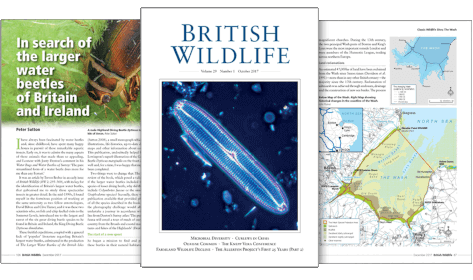
British Wildlife

8 issues per year 84 Seiten per Ausgabe Nur im Abonnement erhältlich

British Wildlife is the leading natural history magazine in the UK, providing essential reading for both enthusiast and professional naturalists and wildlife conservationists. Published eight times a year, British Wildlife bridges the gap between popular writing and scientific literature through a combination of long-form articles, regular columns and reports, book reviews and letters.

Abonnement ab £33 im Jahr

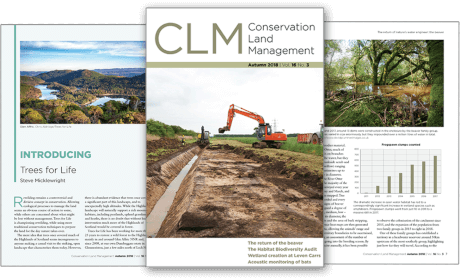
Conservation Land Management

4 Auflagen im Jahr 44 Seiten Nur im Abonnement erhältlich

Conservation Land Management (CLM) ist ein Mitgliedermagazin und erscheint viermal im Jahr. Das Magazin gilt allgemein als unverzichtbare Lektüre für alle Personen, die sich aktiv für das Landmanagement in Großbritannien einsetzen. CLM enthält Artikel in Langform, Veranstaltungslisten, Buchempfehlungen, neue Produktinformationen und Berichte über Konferenzen und Vorträge.

Subscriptions from £26 per year
Akademische und professionelle Bücher  Organismal to Molecular Biology  Biochemistry & Molecular Biology

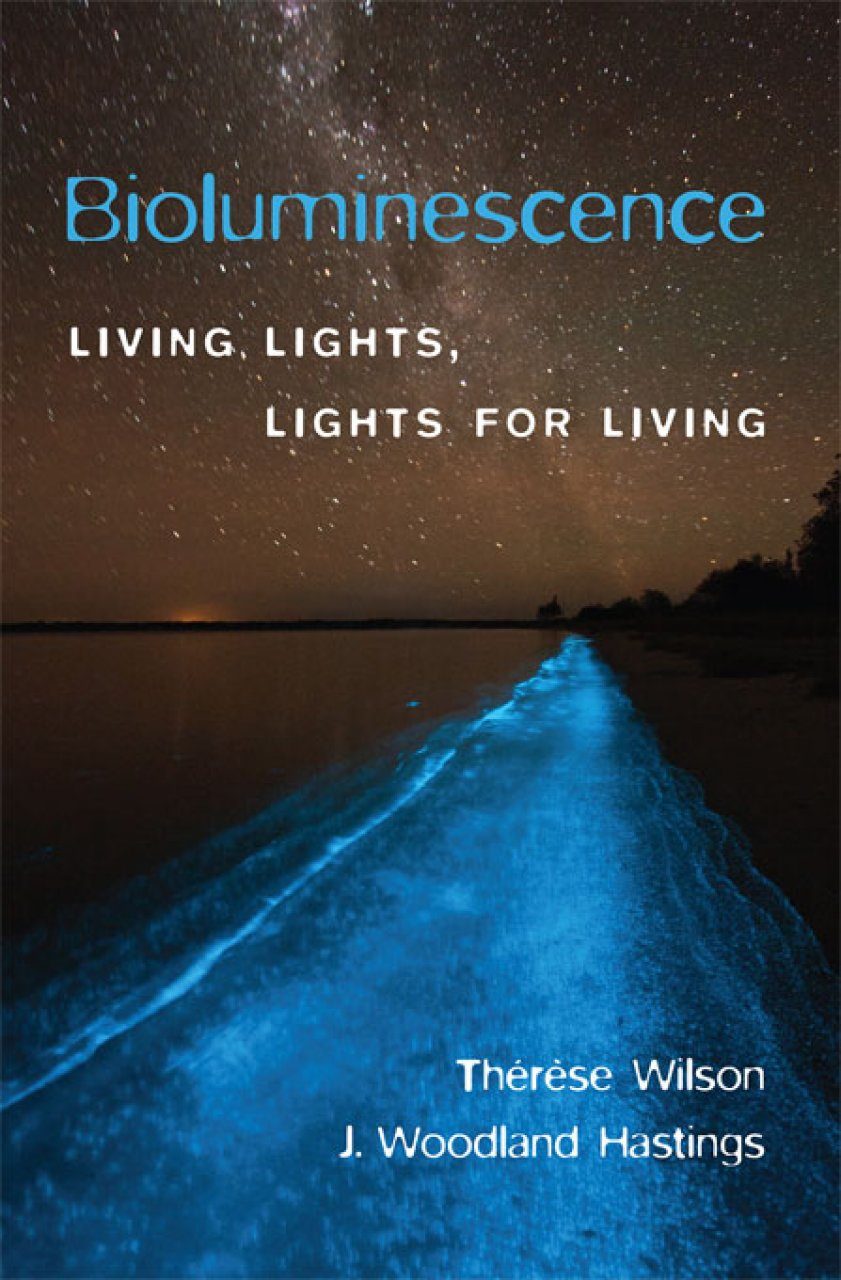
Bioluminescence Living Lights, Lights for Living

Cancelled
By: Thérèse Wilson(Author), J Woodland Hastings(Author)
185 pages, colour & b/w photos, colour & b/w illustrations
Bioluminescence
Click to have a closer look
  • Bioluminescence ISBN: 9780674067165 Hardback Mar 2013 Publication cancelled #199463
About this book Biography Related titles
Images Additional images
BioluminescenceBioluminescenceBioluminescenceBioluminescenceBioluminescenceBioluminescenceBioluminescence

About this book

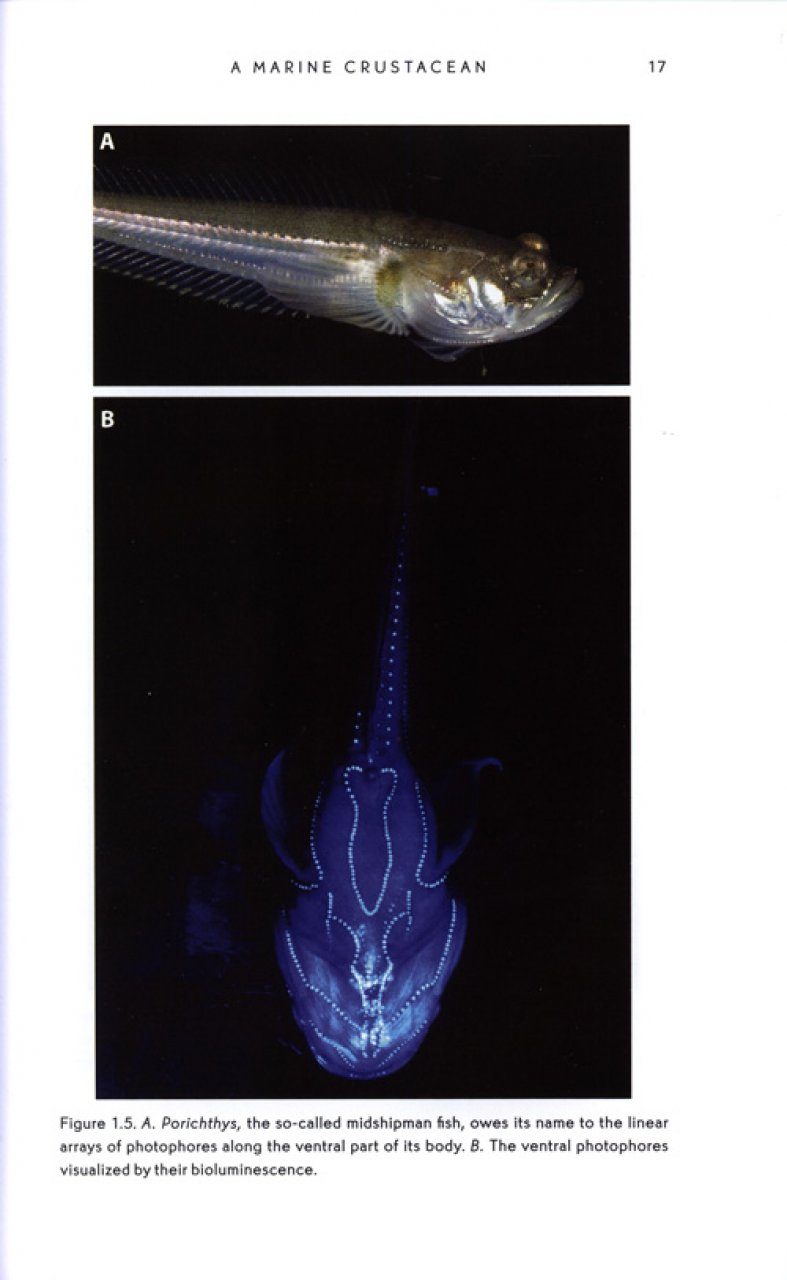
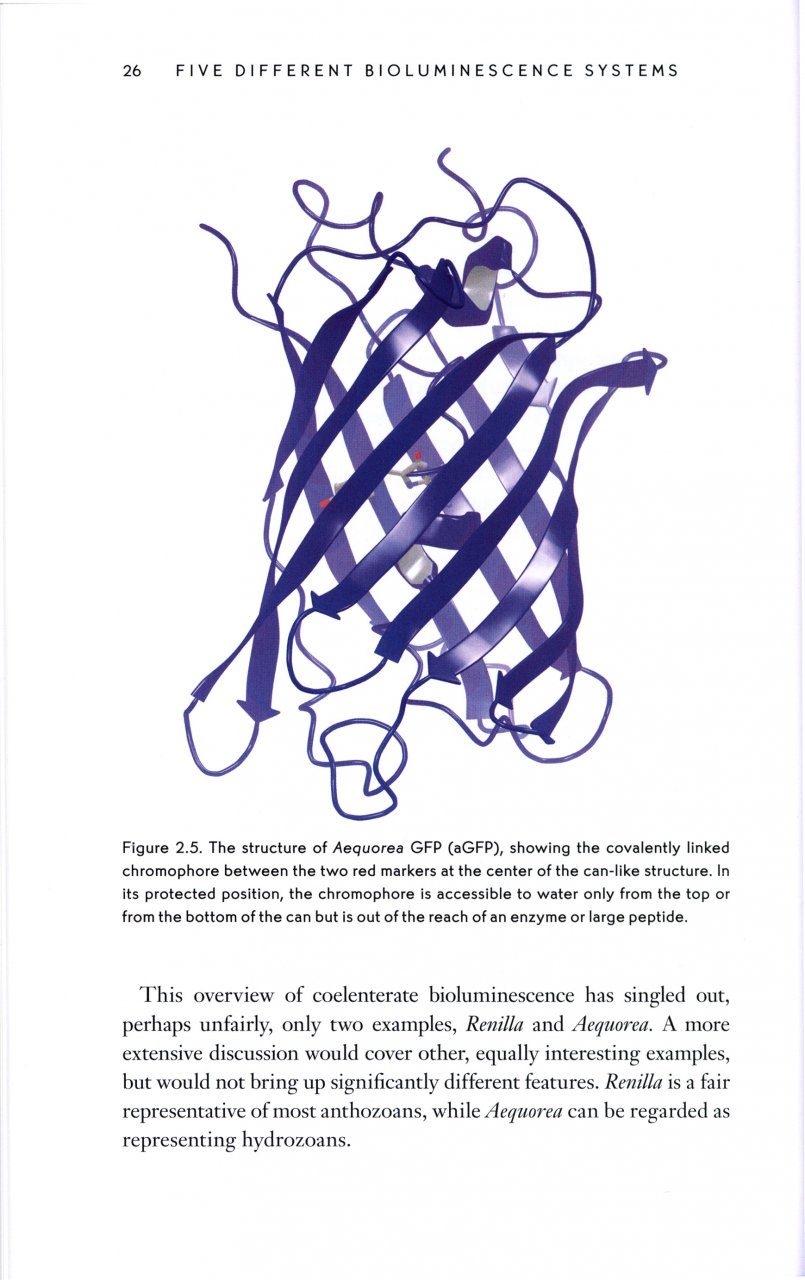
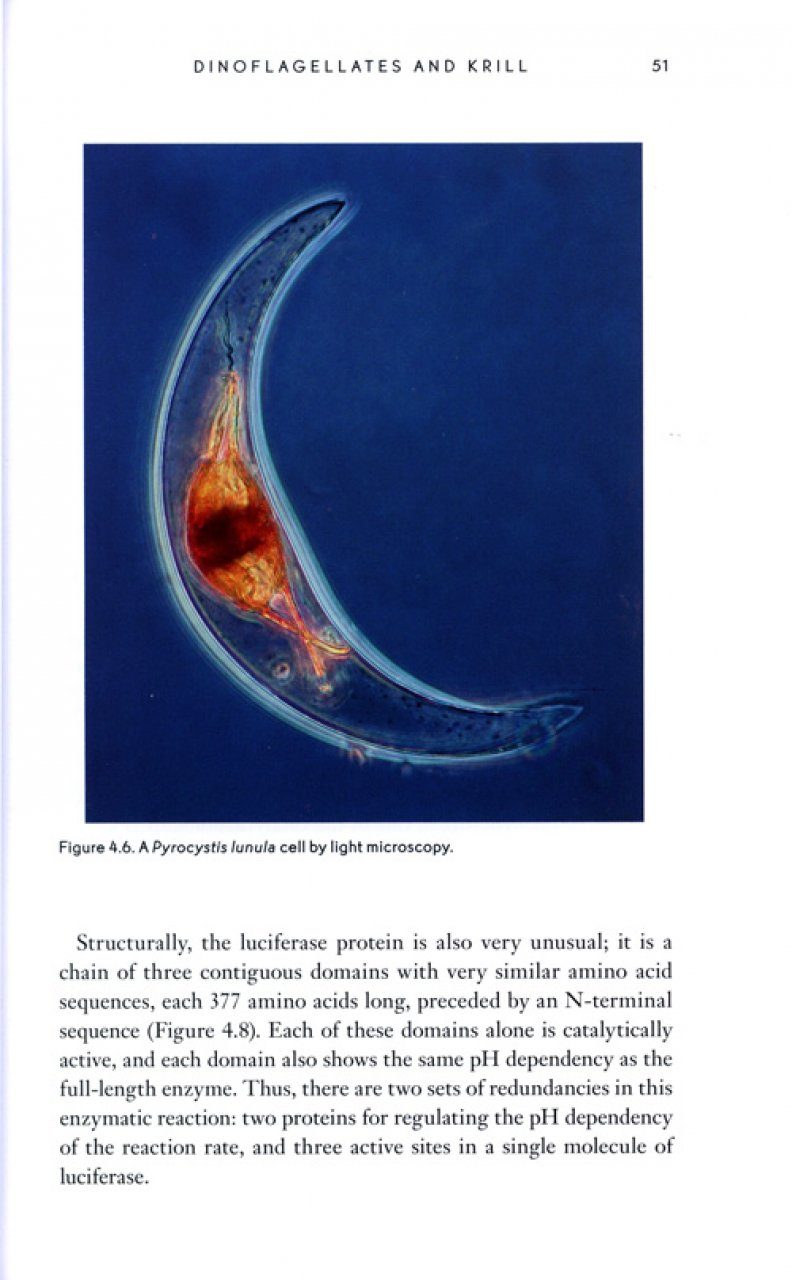
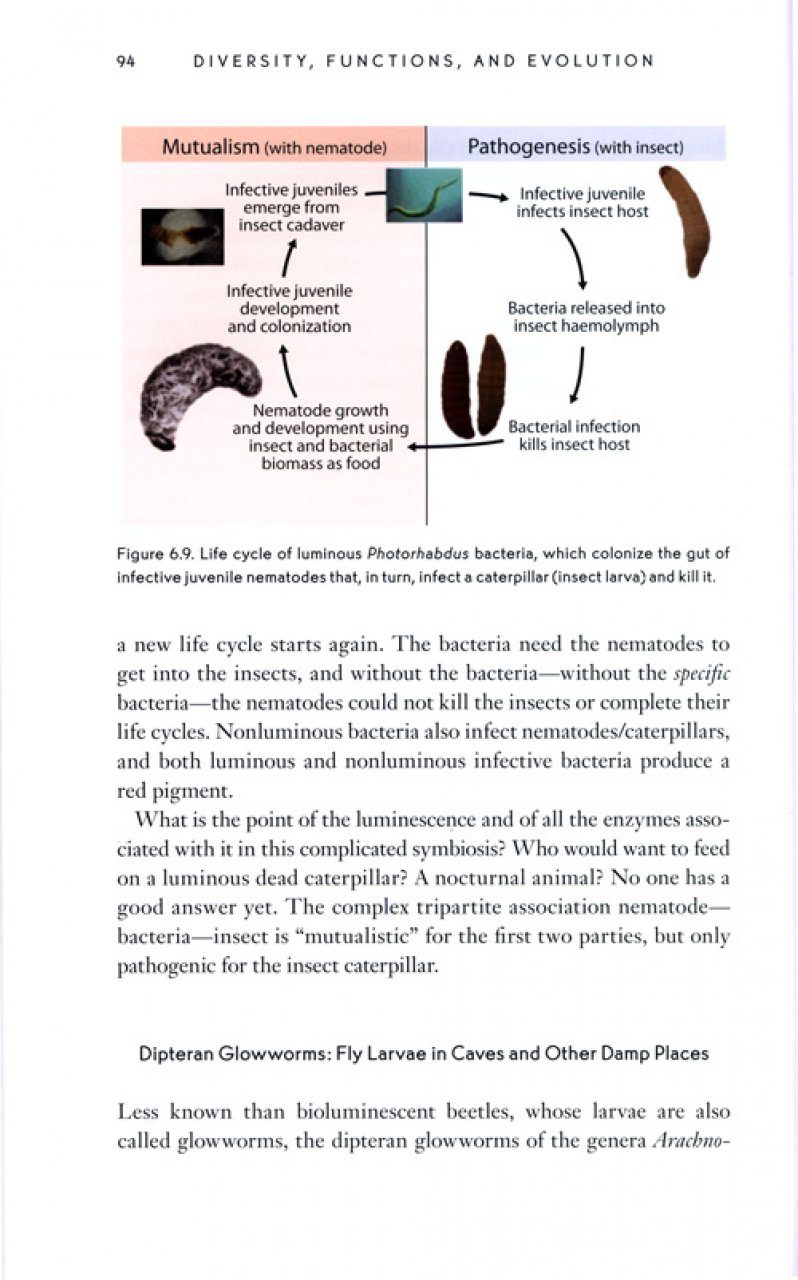
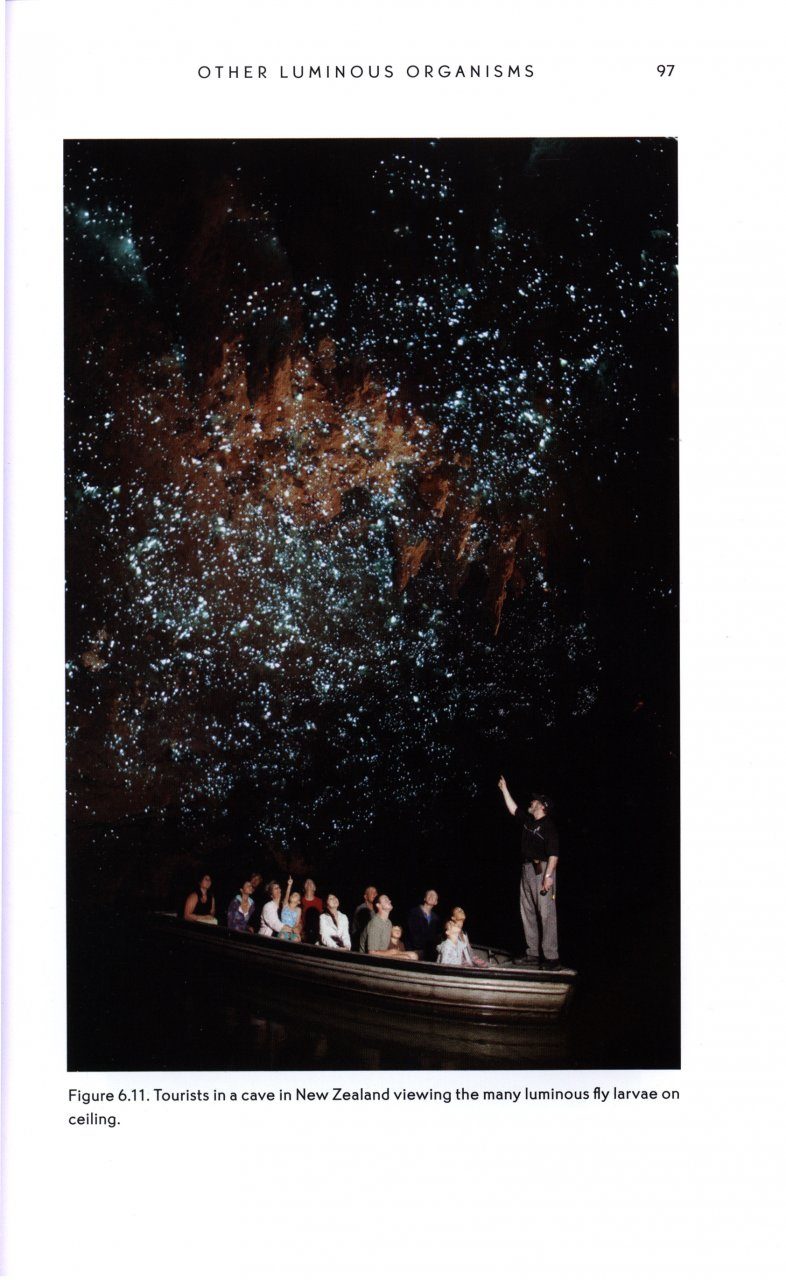
Bioluminescence is everywhere on earth – most of all in the ocean, from angler fish in the depths to the flashing of dinoflagellates at the surface. In Bioluminescence: Living Lights, Lights for Living, Thérèse Wilson and Woody Hastings explore the natural history, evolution, and biochemistry of the diverse array of organisms that emit light.

While some bacteria, mushrooms, and invertebrates, as well as fish, are bioluminescent, other vertebrates and plants are not. The sporadic distribution and paucity of luminous forms calls for explanation, as does the fact that unrelated groups evolved completely different biochemical pathways to luminescence. The authors explore the hypothesis that many different luciferase systems arose in the early evolution of life because of their ability to remove oxygen, which was toxic to life when it first appeared on earth. As oxygen became abundant and bioluminescence was no longer adequate for oxygen removal, other antioxidant mechanisms evolved and most luminous species became extinct. Those light-emitting species that avoided extinction evolved uses with survival value for the light itself. Today’s luminous organisms use bioluminescence for defense from predators, for their own predatory purposes, or for communication in sexual courtship.

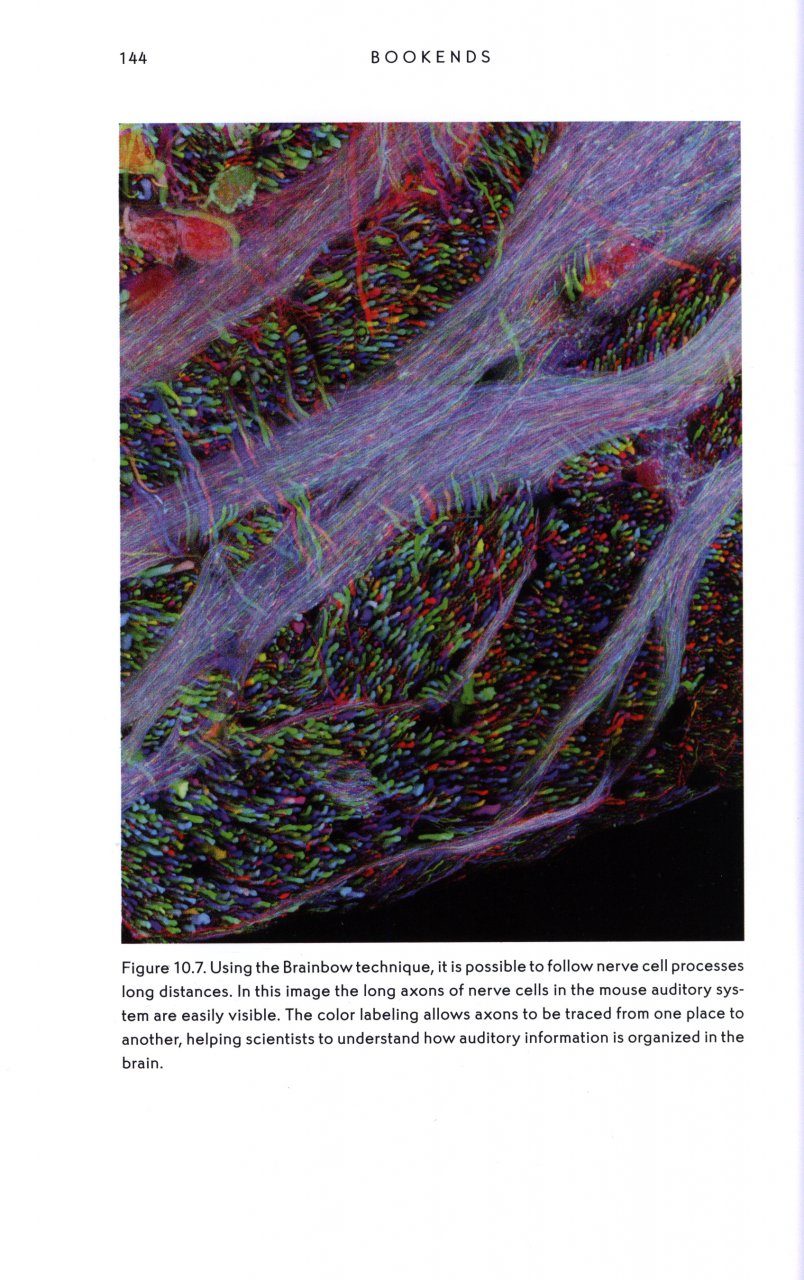
Bioluminescence was earlier viewed as a fascinating feature of the living world, but one whose study seemed unlikely to contribute in any practical way. Today, bioluminescence is no longer an esoteric area of research. Applications are numerous, ranging from the rapid detection of microbial contamination in beef and water, to finding the location of cancer cells, to working out circuitry in the brain.

Customer Reviews

Biography

Thérèse Wilson is Senior Research Associate Emerita in the Department of Molecular and Cellular Biology at Harvard University. J. Woodland Hastings is Paul C. Mangelsdorf Research Professor of Natural Sciences in the Department of Molecular and Cellular Biology at Harvard University.

Cancelled
By: Thérèse Wilson(Author), J Woodland Hastings(Author)
185 pages, colour & b/w photos, colour & b/w illustrations
Current promotions
Great GiftsNew and Forthcoming BooksBritish Wildlife Magazine SubscriptionField Guide Sale 2025