Um genaue Preise zu sehen, wählen Sie bitte Ihr Lieferland.
 
 
United States
£ GBP
Alle Kategorien
Important Notice for US Customers

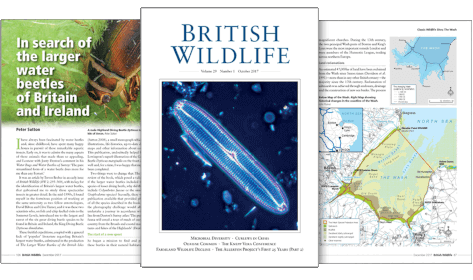
British Wildlife

8 issues per year 84 Seiten per Ausgabe Nur im Abonnement erhältlich

British Wildlife is the leading natural history magazine in the UK, providing essential reading for both enthusiast and professional naturalists and wildlife conservationists. Published eight times a year, British Wildlife bridges the gap between popular writing and scientific literature through a combination of long-form articles, regular columns and reports, book reviews and letters.

Abonnement ab £33 im Jahr

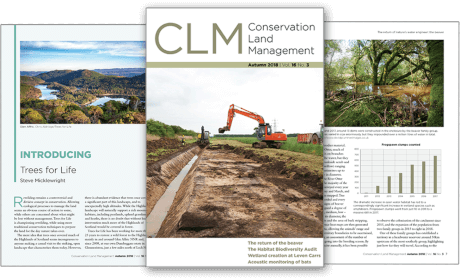
Conservation Land Management

4 Auflagen im Jahr 44 Seiten Nur im Abonnement erhältlich

Conservation Land Management (CLM) ist ein Mitgliedermagazin und erscheint viermal im Jahr. Das Magazin gilt allgemein als unverzichtbare Lektüre für alle Personen, die sich aktiv für das Landmanagement in Großbritannien einsetzen. CLM enthält Artikel in Langform, Veranstaltungslisten, Buchempfehlungen, neue Produktinformationen und Berichte über Konferenzen und Vorträge.

Subscriptions from £26 per year
Akademische und professionelle Bücher  Conservation & Biodiversity  Conservation & Biodiversity: General

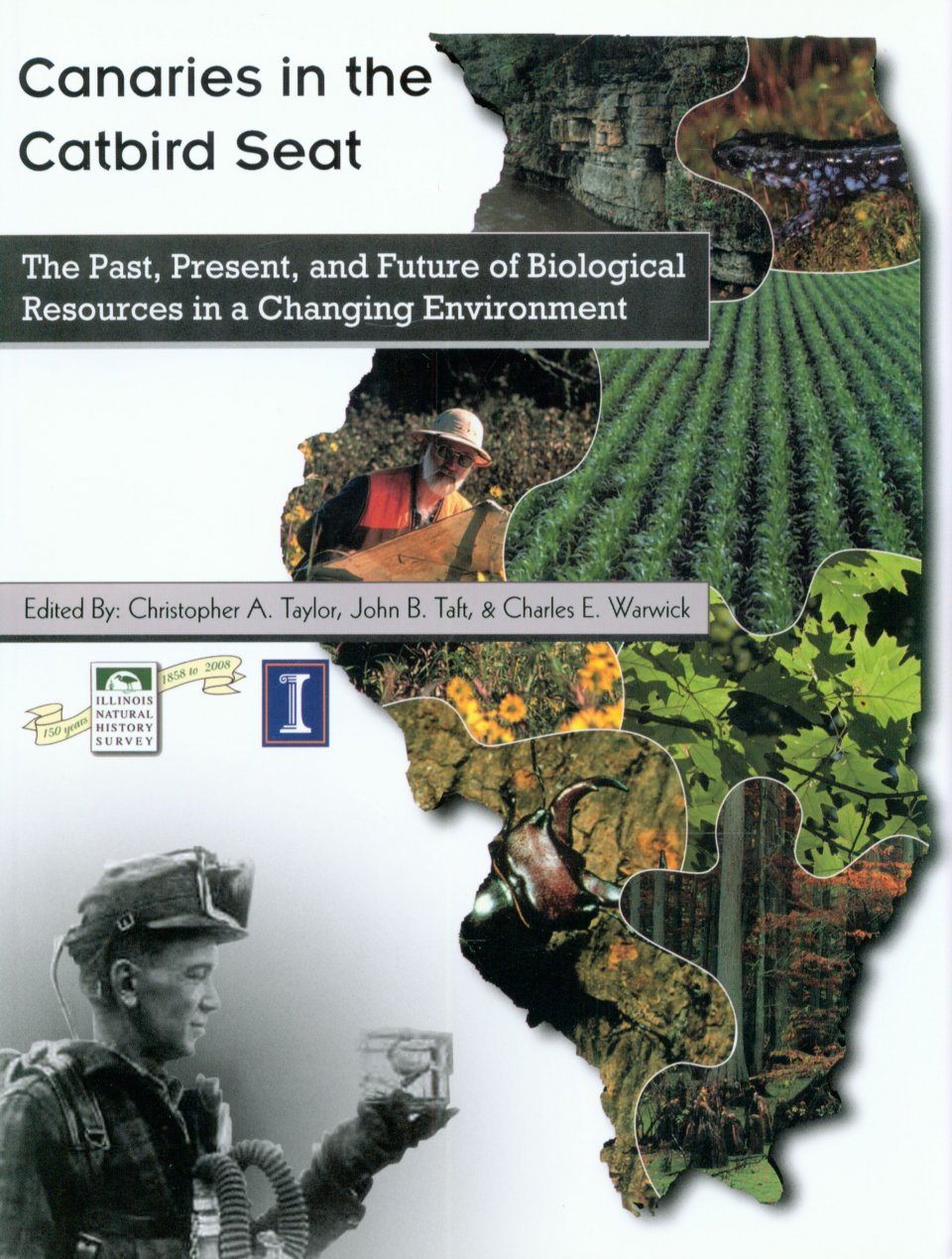
Canaries in the Catbird Seat The Past, Present, and Future of Biological Resources in a Changing Environment

By: Christopher A Taylor(Editor), John B Taft(Editor), Charles E Warwick(Editor)
306 pages, colour & b/w photos, colour & b/w illustrations, colour & b/w maps, tables
Canaries in the Catbird Seat
Click to have a closer look
  • Canaries in the Catbird Seat ISBN: 9781882932214 Paperback Jan 2009 Unavailable #224870
About this book Related titles
Images Additional images
Canaries in the Catbird SeatCanaries in the Catbird SeatCanaries in the Catbird SeatCanaries in the Catbird Seat

About this book

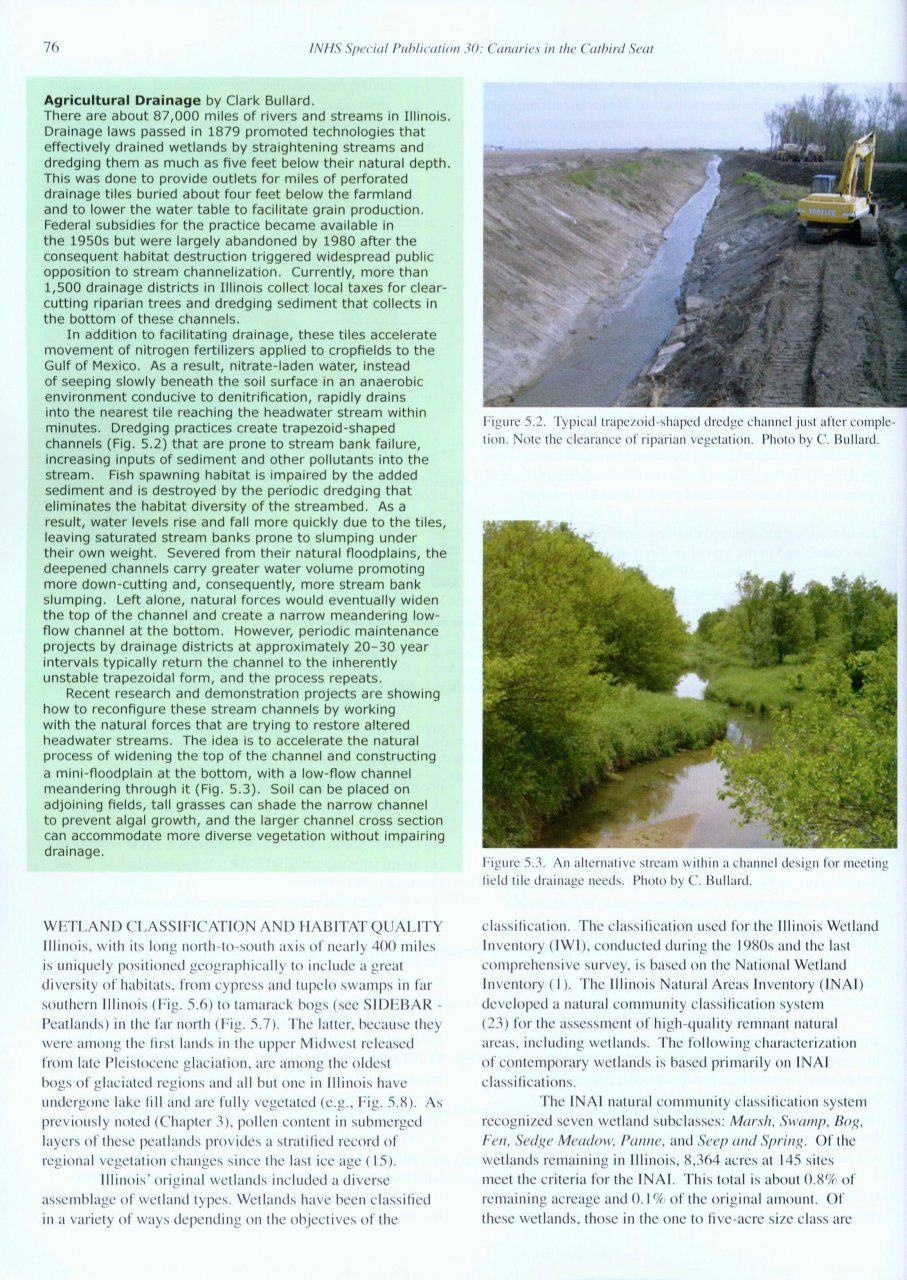
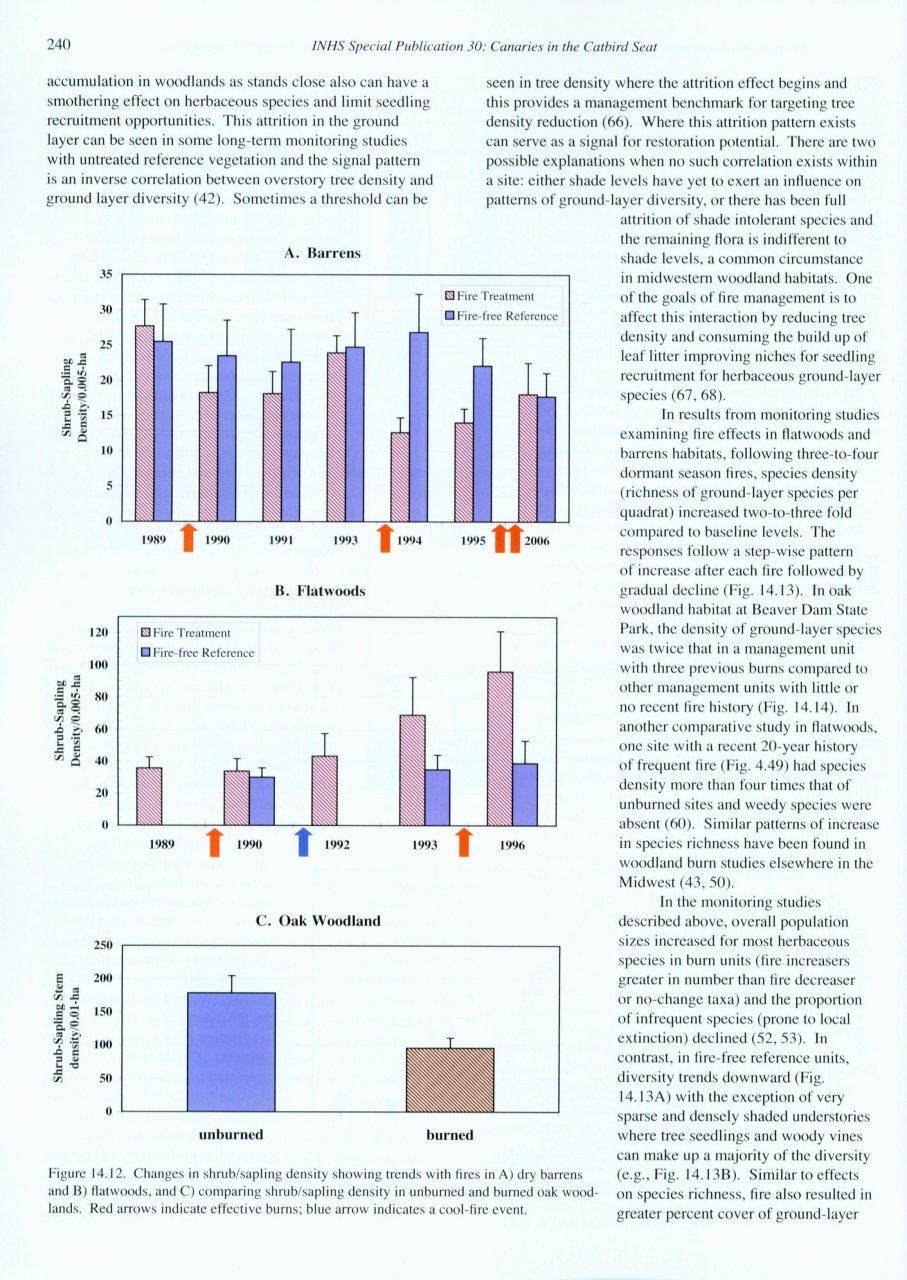
Canaries in the Catbird Seat, the leading title phrase of Canaries in the Catbird Seat, in contrast to possible first impressions, is not a reference to biological phenomena such as nest parasitism or conflicts between native and non-native species. Rather, we use Canaries in the Catbird Seat as a mixed metaphor to reflect the role of scientists and biologists who serve as environmental sensors through observation and research, much like the historic role of the mineshaft canary in alerting miners to the impending danger of low oxygen levels or poisonous gases.

The Catbird Seat is a colloquialism coined by famed author and cartoonist James Thurber referring to a perch with a good view or being in an enviable position. We've applied this colloquialism to institutions and scientists involved in biological monitoring and research because of the benefit of perspective gained by extensive experience across many ecosystems and species groups. In this way, Canaries in the Catbird Seat applies particularly well to the Illinois Natural History Survey and its staff, who, since 1858, have had the unique and privileged position to make observations and analyze data collected throughout Illinois, the Midwest, and beyond. The 150 year time span of these studies is perhaps unparalleled for biological monitoring agencies in the United States.

In celebration of its 150th anniversary, these observations are summarized and recounted in the chapters of Canaries in the Catbird Seat in a language we hope is accessible to the broad audience of citizens interested in our shared natural heritage and in context with the wider scientific community. Curious readers will discover that many references cited herein reflect the varied contributions of Survey scientists over its 150 year history. However, our intent with Canaries in the Catbird Seat also is to reflect the integration of INHS by stressing not only the work done by Survey scientists but also the important relevant work done by external colleagues and other scientists and biologists. Two overarching themes generally resonate throughout Canaries in the Catbird Seat. First is that humankind has caused dramatic changes to ecosystems in Illinois and beyond. Second is that sound science provided by biologists working at institutions such as INHS can be used to facilitate the recovery, wise use, and sustainability of our shared natural resources.

Customer Reviews

By: Christopher A Taylor(Editor), John B Taft(Editor), Charles E Warwick(Editor)
306 pages, colour & b/w photos, colour & b/w illustrations, colour & b/w maps, tables
Current promotions
Great GiftsNew and Forthcoming BooksBritish Wildlife Magazine SubscriptionField Guide Sale 2025