Um genaue Preise zu sehen, wählen Sie bitte Ihr Lieferland.
 
 
United States
£ GBP
Alle Kategorien
Important Notice for US Customers

British Wildlife

8 issues per year 84 Seiten per Ausgabe Nur im Abonnement erhältlich

British Wildlife is the leading natural history magazine in the UK, providing essential reading for both enthusiast and professional naturalists and wildlife conservationists. Published eight times a year, British Wildlife bridges the gap between popular writing and scientific literature through a combination of long-form articles, regular columns and reports, book reviews and letters.

Abonnement ab £33 im Jahr

Conservation Land Management

4 Auflagen im Jahr 44 Seiten Nur im Abonnement erhältlich

Conservation Land Management (CLM) ist ein Mitgliedermagazin und erscheint viermal im Jahr. Das Magazin gilt allgemein als unverzichtbare Lektüre für alle Personen, die sich aktiv für das Landmanagement in Großbritannien einsetzen. CLM enthält Artikel in Langform, Veranstaltungslisten, Buchempfehlungen, neue Produktinformationen und Berichte über Konferenzen und Vorträge.

Subscriptions from £26 per year
Akademische und professionelle Bücher  Ecology  Ecological Theory & Practice

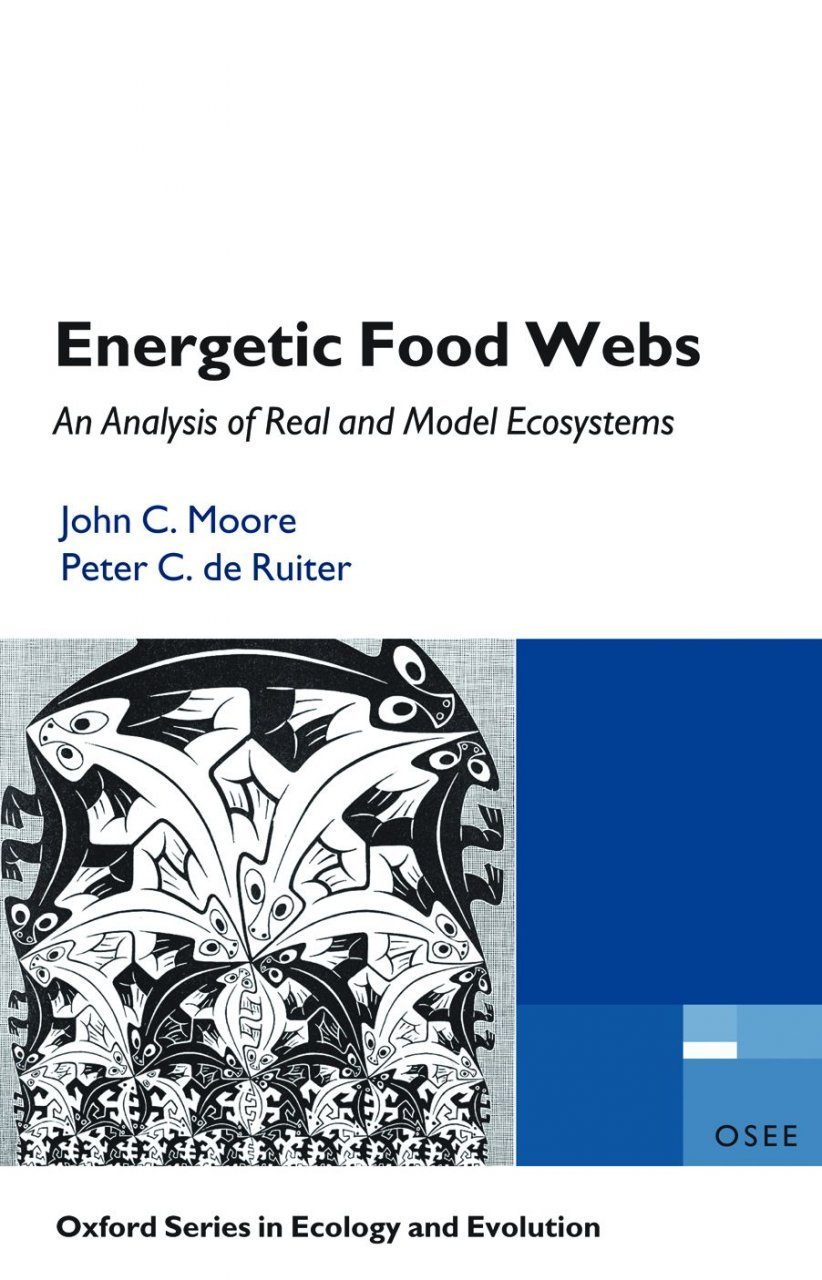
Energetic Food Webs An Analysis of Real and Model Ecosystems

By: John C Moore and Peter C De Ruiter
333 pages, b/w illustrations, tables
Energetic Food Webs
Click to have a closer look
Select version
  • Energetic Food Webs ISBN: 9780198566199 Paperback May 2012 Not in stock: Usually dispatched within 6 days
    £74.00
    #172380
  • Energetic Food Webs ISBN: 9780198566182 Hardback May 2012 Not in stock: Usually dispatched within 6 days
    £145.00
    #172381
Selected version: £74.00
About this book Contents Customer reviews Related titles

About this book

In ecosystems with many species, food webs form highly complex networks of resource-consumer interactions. At the same time, the food web as itself needs sufficient resources to develop and survive. So in fact, food web ecology is about how natural resources form the basis of biological communities, in terms of species richness and abundances as well as how species are organised in communities on the basis of the resource availability and use. The central theme of this book is that patterns in the utilisation of energy result from the trophic interactions among species, and that these patterns form the basis of ecosystem stability.

The authors integrate the latest work on community dynamics, ecosystem energetics, and stability, and in so doing attempt to dispel the categorisation of the field into the separate subdisciplines of population, community, and ecosystem ecology. Energetic Food Webs represents the first attempt to bridge the gap between the energetic and species approaches to ecology.

Contents

1: Approaches to studying food webs

Section I: Modelling Simple and Multispecies Communities
2: Models of Simple and Complex Systems
3: Connectedness Food Webs
4: Energy Flux Food Webs
5: Functional webs

Section II: The Dynamics and Stability of Simple and Complex Communities
6: Energetic Organization and Food Web Stability
7: Enrichment, Trophic Structure, and Dynamic Stability
8: Modeling Compartments
9: Productivity, Dynamic Stability, and Species Richness

Section III: Dynamic Food Web Architectures
10: Species-based versus Biomass-based Food Web Descriptions
11: Dynamic Architectures and Stability of Complex Systems along Productivity Gradients
12: Food Webs Dynamics Beyond Asymptotic Behavior

References
Index

Customer Reviews

By: John C Moore and Peter C De Ruiter
333 pages, b/w illustrations, tables
Current promotions
Great GiftsNew and Forthcoming BooksBritish Wildlife Magazine SubscriptionField Guide Sale 2025