Click to have a closer look
About this book
Contents
Related titles
About this book
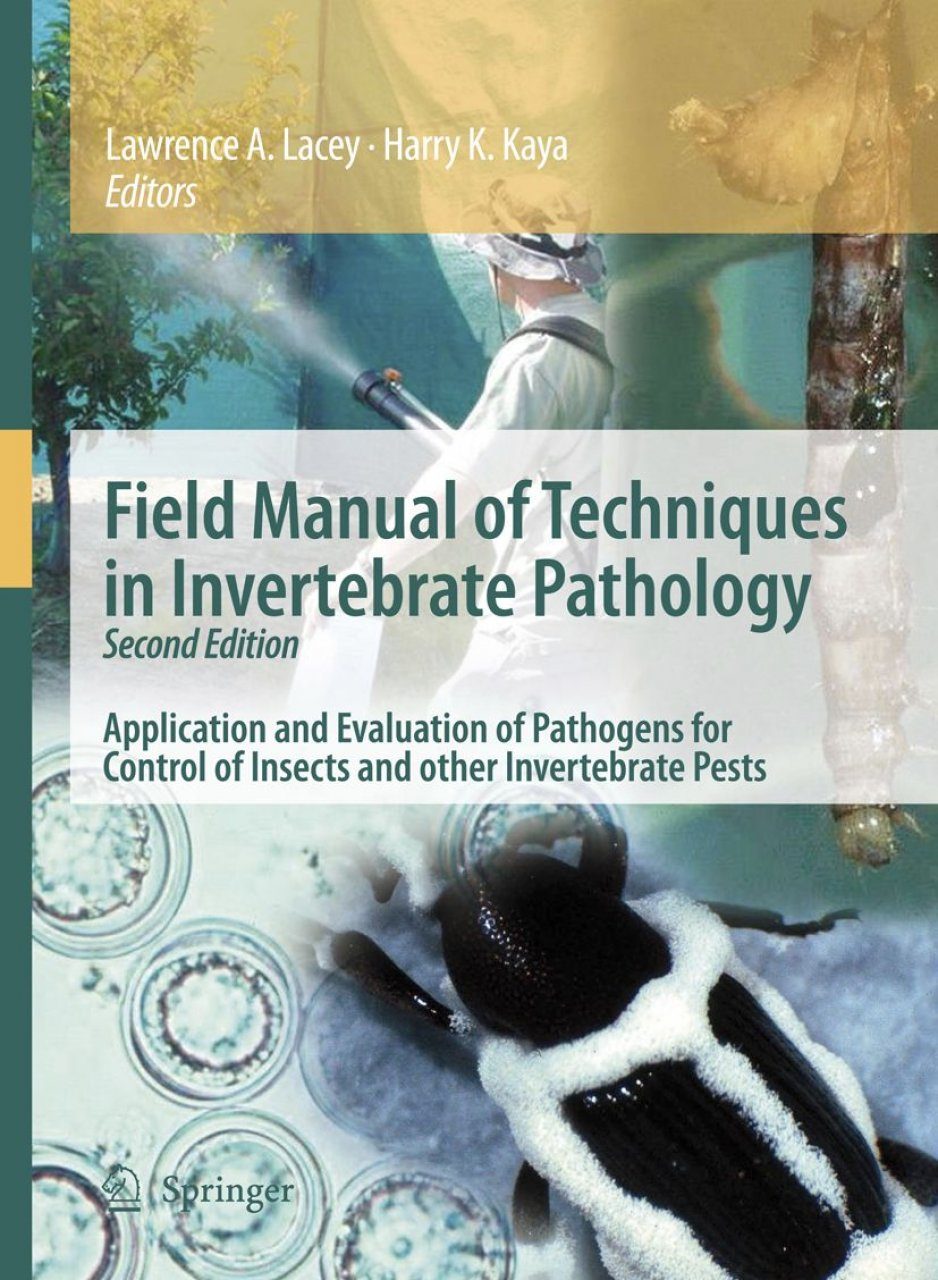
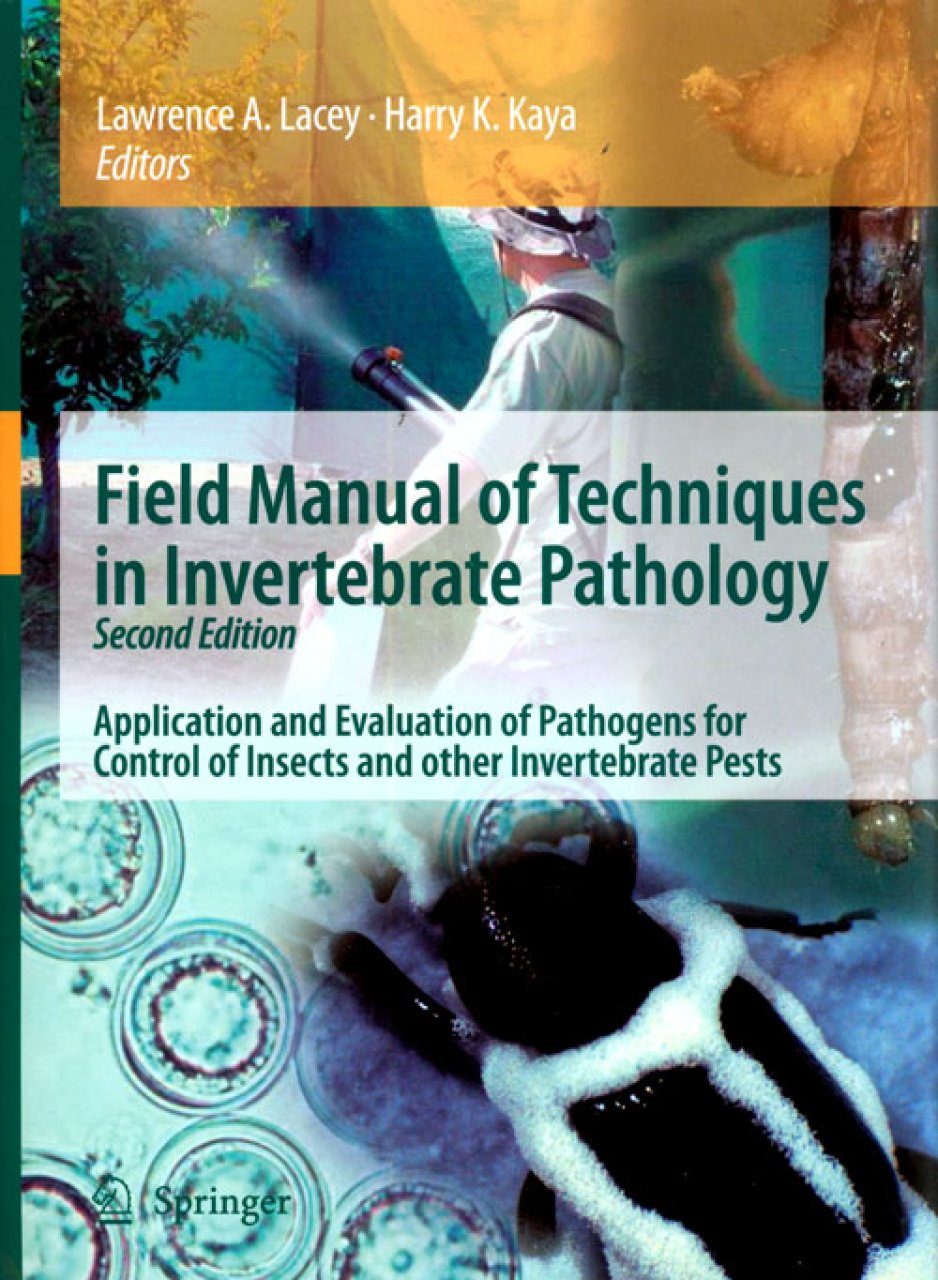
The Field Manual of Techniques in Invertebrate Pathology is designed to provide background and instruction on a broad spectrum of techniques and their use in the evaluation of entomopathogens in the field. The second edition of the Field Manual provides updated information and includes two additional chapters and 12 new contributors. The intended audience includes researchers, graduate students, practitioners of integrated pest management (IPM), regulators and those conducting environmental impact studies of entomopathogens. Although it can function as a stand alone reference, the Field Manual is complementary to the laboratory oriented Manual of Techniques in Insect Pathology and to comprehensive texts in insect pathology.
Contents
Dedication. List of contributors. Preface. Section I: Introduction. I-1. Introduction to Microbial Control; H.K. Kaya, L.A. Lacey. I-2. Theory and Practice of Microbial Insecticide Application; A.C. Chapple, et al. Section II: Statistical Considerations. Experimental Design: Statistical Considerations and Analysis; J.F. Campbell. Section III: Application Equipment. III-1. Ground based Application Equipment; R.P. Bateman, et al. III-2. Conventional Application Equipment: Aerial Application; K. Mierzejewski, et al. III-3. Dissemination of Beneficial Microbial Agents by Insects; F.E. Vega, et al. Section IV: Overview of Pathogen Groups. IV-1. Viruses; H.F. Evans. IV-2. Bacteria; J.P. Siegel. IV-3. Entomopathogenic Microsporidia; L.F. Solter, J.J. Becnel. IV-4. Fungi; M. Goettel, et al. IV-5. Nematodes; A.M. Koppenhofer. Section V: Naturally-Occurring Pathogens. V-1. Documentation of Naturally Occurring Pathogens and Their Impact in Agroecosystems; D.C. Steinkraus. V-2. Assesing Impact of Naturally-Occurring Pathogens of Forest Insects; J.S. Elkinton. Section VI: Exotic Pathogens. Introduction of Exotic Pathogens and Documentation of Their Establishment and Impact; A.E. Hajek, et al. Section VII: Evaluation of Entomopathogens in Specific Systems. VII. Vegetable row crops. VII-1. Potato; T. Poprawski, S. Wraight. VII-2. Crucifers, cucurbits; J.D. VandenBerg, et al. VII. Grain. VII-3. Microbial Control of Insect Pests of Corn; L.C. Lewis, et al. VII-4. Rice Pests; W.C. Rice, H.Y. Choo. VII-5. Microbial Control of Insect Pests of Soybeans; F. Moscardi, D.R. Sosa-Gomez. VII-6. Microbial Insecticide Application: Cotton; S.Y. Young, et al. VII-7. Mushroom Pests; P.S. Grewal. VII-8. Techniques for Testing Microbials of Arthropod Pests in Greenhouses; H.D. Burges. VII-9. Forest Defoliators; K. van Frankenhuyzen, et al. VII. Fruit. VII-10. Microbial Control of Lepidopteran Pests of Apple Orchards; L.A. Lacey, et al. VII-11. Citrus; C. McCoy, et al. VII-12. Small Fruits; S.R. Booth, et al. VII-13. Application and Evaluation of Entomopathogens for Control of Pest Insects in Mint; R.E. Berry. VII-14. Insect Control on Nursery and Landscape Plants with Entomopathogens; R.E. Berry, J.D. DeAngelis. VII-15. Grasshoppers and Locusts; G.D. Inglis, et al. VII-16. Lawn Turf and Grass land Pests; M.G. Klein, et al. VII-17. Stored Products; Sedlacek, Vail. VII-18. Microbial Control of Urban Pests -- Cockroaches, Ants and Termites; R.J. Milner, R.M. Pereira. VII-19. Application and Evaluation of Entomopathogens for Control of Livestock and Poultry Pests; D. Pinnock, B.A. Mullens. VII-20. Microbial Control of Mosquitoes and Black Flies; O. Skovmand, et al. VII-21. Mollusc Pests; M. Wilson, R. Gaugler. Section VIII: Transgenic Plants. Evaluating Trangenic Plants for Suitability in Pest and Resistance Management Programs; M.A. Caprio, et al. Section IX: Resistance. Resistance to Inset Pathogens and Strategies to Manage Resistance; A.M. Shelton, R.T. Roush. Section X: Non-target Organisms. Guidelines for Evaluating Effects of Entomopathogens on Non-target Organisms; A.E. Hajek, M.S. Goettel. Subject Index.
Customer Reviews