Um genaue Preise zu sehen, wählen Sie bitte Ihr Lieferland.
 
 
United States
£ GBP
Alle Kategorien
Important Notice for US Customers

British Wildlife

8 issues per year 84 Seiten per Ausgabe Nur im Abonnement erhältlich

British Wildlife is the leading natural history magazine in the UK, providing essential reading for both enthusiast and professional naturalists and wildlife conservationists. Published eight times a year, British Wildlife bridges the gap between popular writing and scientific literature through a combination of long-form articles, regular columns and reports, book reviews and letters.

Abonnement ab £33 im Jahr

Conservation Land Management

4 Auflagen im Jahr 44 Seiten Nur im Abonnement erhältlich

Conservation Land Management (CLM) ist ein Mitgliedermagazin und erscheint viermal im Jahr. Das Magazin gilt allgemein als unverzichtbare Lektüre für alle Personen, die sich aktiv für das Landmanagement in Großbritannien einsetzen. CLM enthält Artikel in Langform, Veranstaltungslisten, Buchempfehlungen, neue Produktinformationen und Berichte über Konferenzen und Vorträge.

Subscriptions from £26 per year
Akademische und professionelle Bücher  Organismal to Molecular Biology  Animals: Vertebrate Zoology

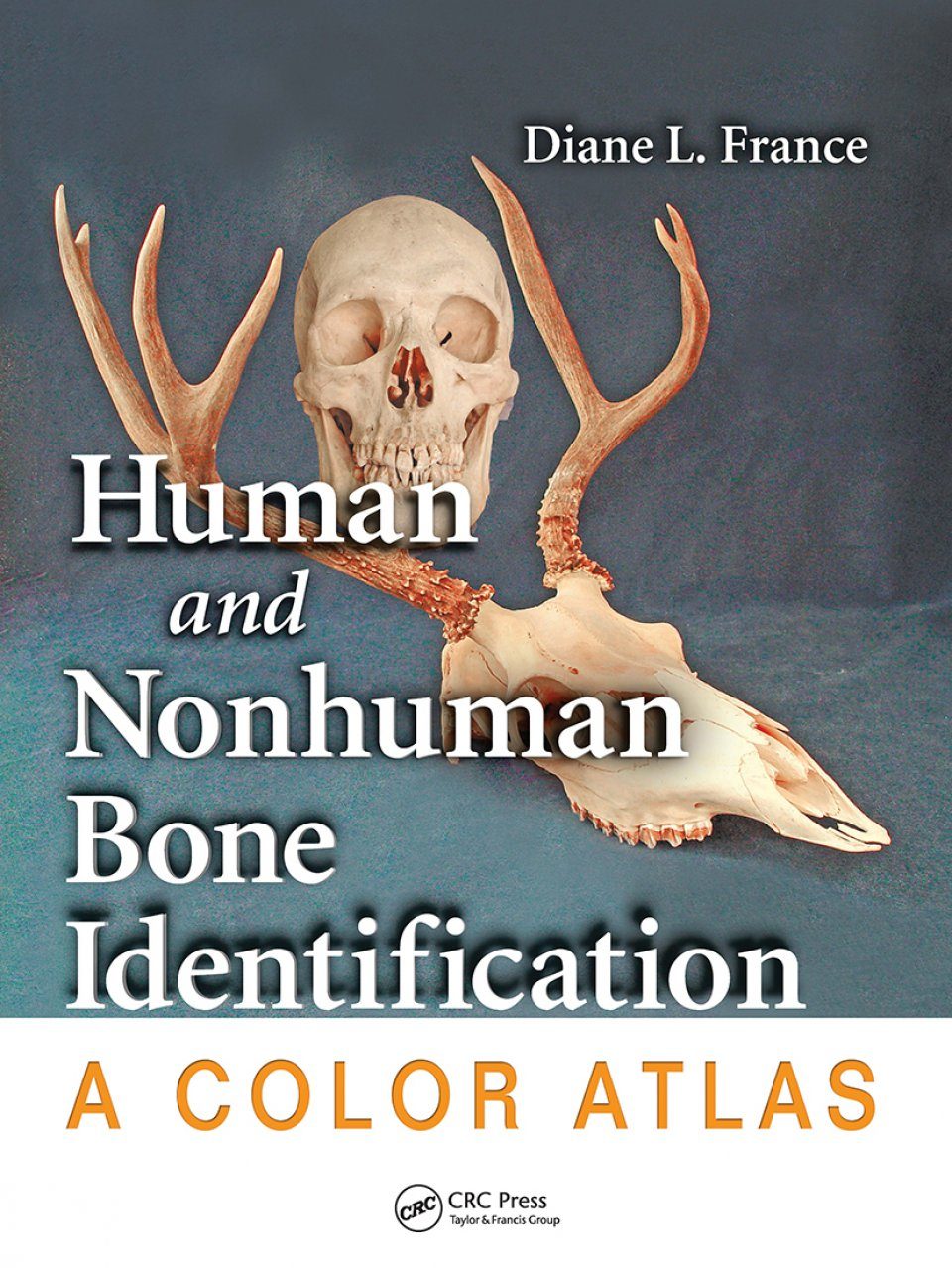
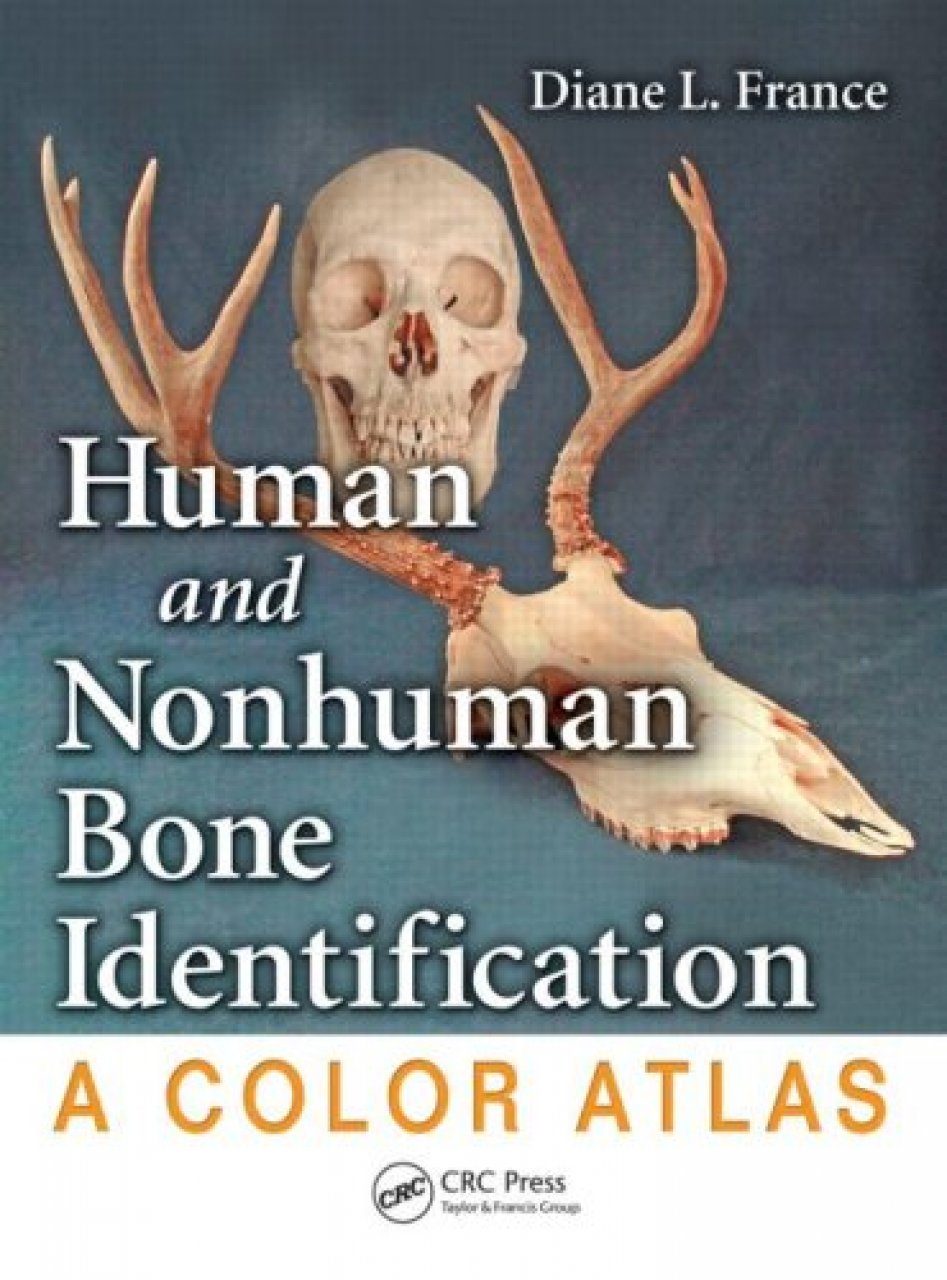
Human and Nonhuman Bone Identification A Color Atlas

Handbook / Manual
By: Diane L France(Author)
734 pages, 3000 colour photos
Publisher: CRC Press
Human and Nonhuman Bone Identification
Click to have a closer look
Select version
  • Human and Nonhuman Bone Identification ISBN: 9780367777913 Paperback Mar 2021 Not in stock: Usually dispatched within 1 week
    £120.00
    #254431
  • Human and Nonhuman Bone Identification ISBN: 9781420062861 Hardback Dec 2008 Not in stock: Usually dispatched within 1 week
    £370.00
    #175379
Selected version: £120.00
About this book Contents Customer reviews Related titles Recommended titles

About this book

When a bone of unknown origin is found at a location, forensic implications arise immediately. Is this bone human, and if so, is it evidence of a murder? Human and Non-Human Bone Identification: A Color Atlas presents a comprehensive handbook of photographs and other information essential for law enforcement and forensic anthropologists when examining skeletal remains and determining species and body parts.

Presenting over 3000 color photographs, this atlas is a practical comparative guide to the differences among species for nearly all bones in the body. Useful in either the laboratory or the field, it features images of the types of bones that are most commonly discovered, and provides annotations pointing out salient features.

The book begins with a section on general osteology and explains the major anatomical differences between humans and other animals. It compares human and non-human bones, categorized by type of bone, and includes most of the major bones in humans and non-humans. The third section discusses non-human skeletal elements, categorized by species, and explores numerous skeletal elements within those species.

Contents

- Introduction
- What is Bone? Overview of Skeletons of Quadrupeds and a Biped
- Overview of Skeletal and Dental Growth and Development

Human-Nonhuman Bone Comparisons
- Cranium
- Mandible
- Dentition
- Scapula
- Humerus
- Radius
- Ulna
- Metacarpals
- Vertebrae
- Pelvis
- Femur
- Tibia
- Fibula
- Metatarsals

Nonhuman Skeletal Elements
- Human (Homo sapiens)
- Artiodactyla
- Perissodactyla
- Carnivora
- Rodentia
- Xenarthra
- Marsupialia
- Chiroptera
- Marine Mammals

Customer Reviews

Handbook / Manual
By: Diane L France(Author)
734 pages, 3000 colour photos
Publisher: CRC Press
Media reviews

"[...] a much-needed reference with many excellent color images for comparative skeletal anatomy focused on human bones and nonhuman bones that are most likely to be encountered in a medicolegal investigation [...] the amount of text is just right. The most important information is conveyed in a concise way that is useful for the novice and expert alike. The images of the bones are excellent [...] This book is an essential resource for professionals involved in medicolegal investigation who routinely deal with distinguishing human and nonhuman bone. It also has applications beyond forensic anthropology, including archaeology and comparative skeletal anatomy and should be a welcome addition to many classroom libraries."
– Dawn M. Mulhern, Ph.D., Journal of Forensic Sciences, volume 54, issue 6

Current promotions
Great GiftsNew and Forthcoming BooksBritish Wildlife Magazine SubscriptionField Guide Sale 2025