Um genaue Preise zu sehen, wählen Sie bitte Ihr Lieferland.
 
 
United States
£ GBP
Alle Kategorien
Important Notice for US Customers

British Wildlife

8 issues per year 84 Seiten per Ausgabe Nur im Abonnement erhältlich

British Wildlife is the leading natural history magazine in the UK, providing essential reading for both enthusiast and professional naturalists and wildlife conservationists. Published eight times a year, British Wildlife bridges the gap between popular writing and scientific literature through a combination of long-form articles, regular columns and reports, book reviews and letters.

Abonnement ab £33 im Jahr

Conservation Land Management

4 Auflagen im Jahr 44 Seiten Nur im Abonnement erhältlich

Conservation Land Management (CLM) ist ein Mitgliedermagazin und erscheint viermal im Jahr. Das Magazin gilt allgemein als unverzichtbare Lektüre für alle Personen, die sich aktiv für das Landmanagement in Großbritannien einsetzen. CLM enthält Artikel in Langform, Veranstaltungslisten, Buchempfehlungen, neue Produktinformationen und Berichte über Konferenzen und Vorträge.

Subscriptions from £26 per year
Feldführer und Naturgeschichte  Botany  Vascular Plants  Grasses, Sedges, Rushes & Ferns

Guide to Common Grasses

Field / Identification Guide Identification Key
By: Mark Gardener(Author), Carol Roberts(Illustrator)
8 pages, colour & b/w illustrations
Guide to Common Grasses
Click to have a closer look
  • Guide to Common Grasses ISBN: 9781851532483 Unbound Jul 2010 In stock
    £3.99
    #178135
Price: £3.99
About this book Customer reviews Related titles
Images Additional images
Guide to Common GrassesGuide to Common Grasses

About this book

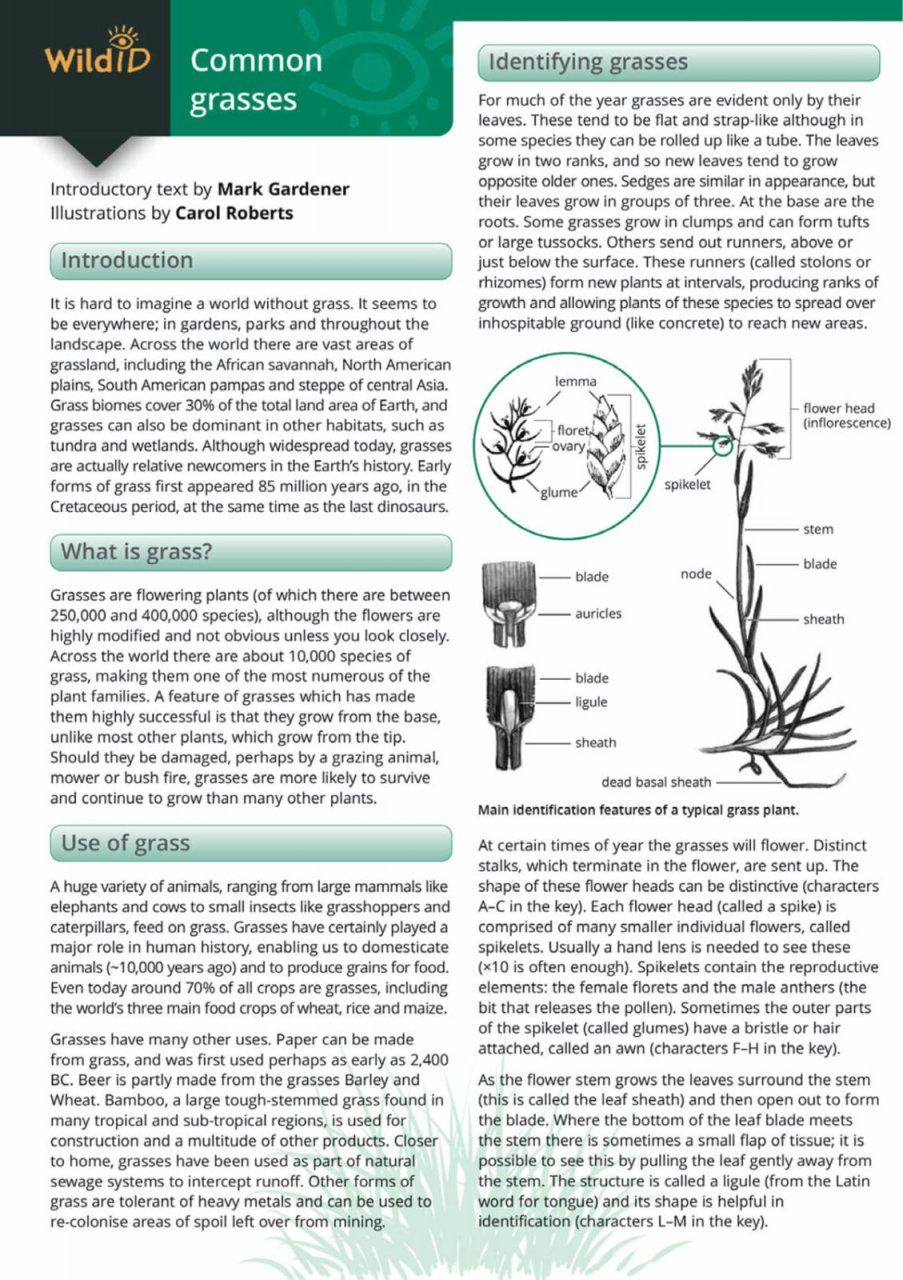
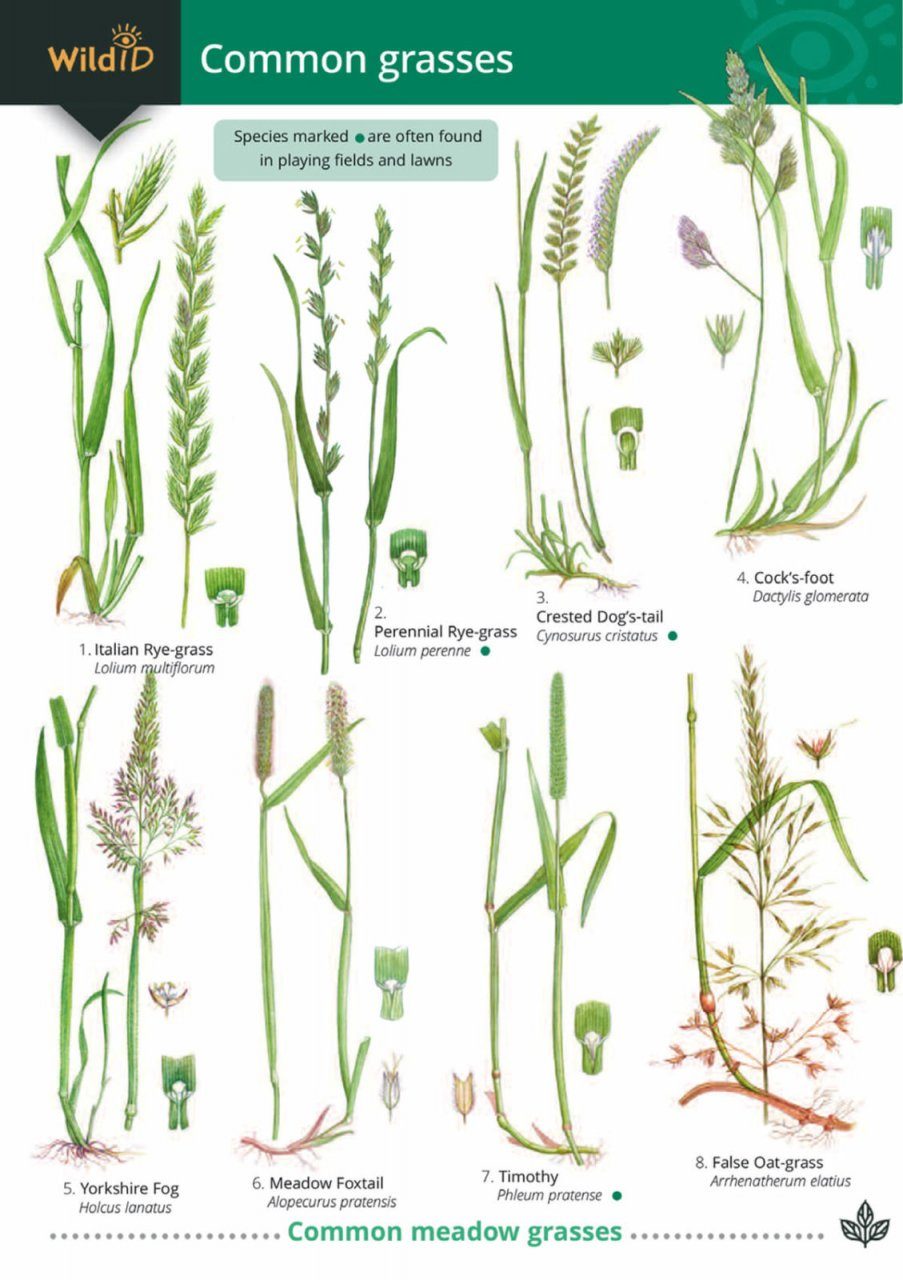
The FSC grasses identification guide features 30 species common in Britain and Ireland.

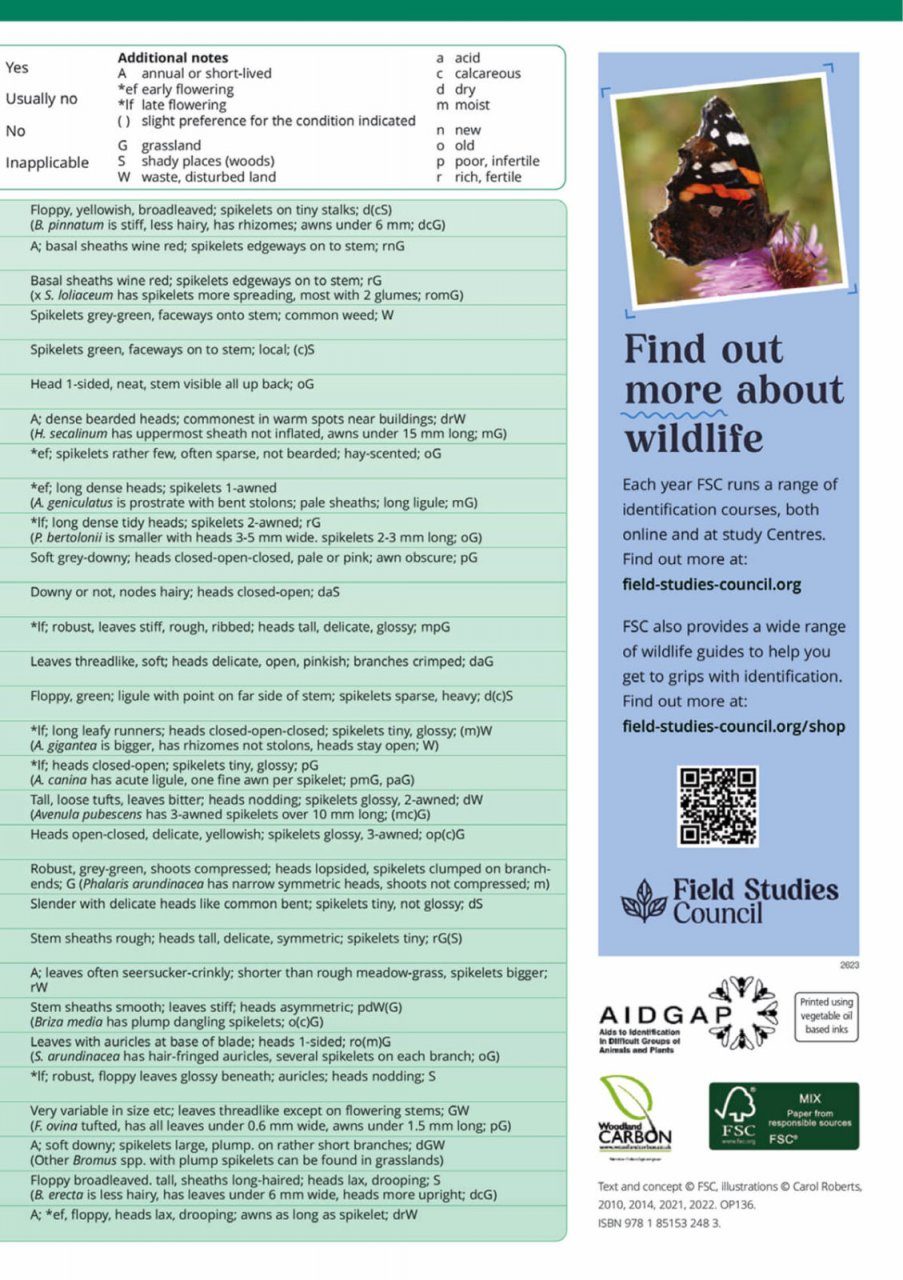
Beautiful colour paintings show the key identification features for each species. Also included is a multi-access vegetative key, making grass identification possible all year round, not just in summer. Each species has concise written notes on habitat and the distinguishing features to look out for.

For beginners, grasses are a daunting group to tackle. Book-length identification guides contain hundreds of pages of similar-looking species. So where do you start? The FSC grasses guide features a manageable list of 30 species, all widespread and common. You should be able to find many of these on a short walk, even in a city centre. The guide includes common species of bent, fescue, brome, rye-grass, hair-grass, oat-grass and meadow-grass. Accompanying text and diagrams demystify the specialist terminology for grasses, from awns to spikelets.

Grasses form the matrix of a wide range of habitats. They are flowering plants, although the flowers are highly modified, and are not obvious unless you look closely. Unlike most plants, grasses grow from the base. If damaged, perhaps by a grazing animal or mower, grasses are more likely to survive and continue to grow. This feature has made grasses highly successful. A huge variety of animals feed on grass, from large herbivores like elephants and cows to small insects like grasshoppers and caterpillars. Worldwide there are about 10,000 species of grass, making them one of the most numerous of the plant families, with about 160 grass species in Britain and Ireland.

Customer Reviews

Field / Identification Guide Identification Key
By: Mark Gardener(Author), Carol Roberts(Illustrator)
8 pages, colour & b/w illustrations
Current promotions
Great GiftsNew and Forthcoming BooksBritish Wildlife Magazine SubscriptionField Guide Sale 2025