Um genaue Preise zu sehen, wählen Sie bitte Ihr Lieferland.
 
 
United States
£ GBP
Alle Kategorien
Important Notice for US Customers

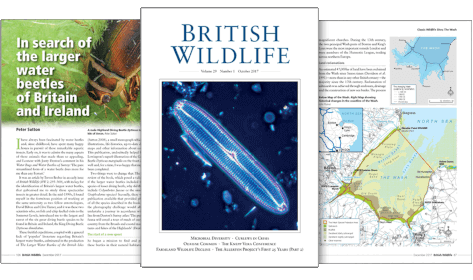
British Wildlife

8 issues per year 84 Seiten per Ausgabe Nur im Abonnement erhältlich

British Wildlife is the leading natural history magazine in the UK, providing essential reading for both enthusiast and professional naturalists and wildlife conservationists. Published eight times a year, British Wildlife bridges the gap between popular writing and scientific literature through a combination of long-form articles, regular columns and reports, book reviews and letters.

Abonnement ab £33 im Jahr

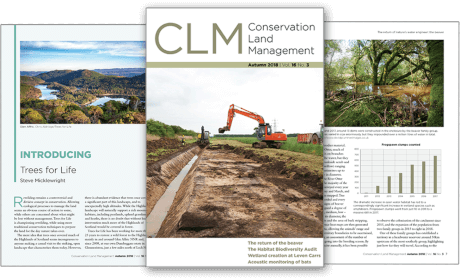
Conservation Land Management

4 Auflagen im Jahr 44 Seiten Nur im Abonnement erhältlich

Conservation Land Management (CLM) ist ein Mitgliedermagazin und erscheint viermal im Jahr. Das Magazin gilt allgemein als unverzichtbare Lektüre für alle Personen, die sich aktiv für das Landmanagement in Großbritannien einsetzen. CLM enthält Artikel in Langform, Veranstaltungslisten, Buchempfehlungen, neue Produktinformationen und Berichte über Konferenzen und Vorträge.

Subscriptions from £26 per year
Akademische und professionelle Bücher  Ecology  Soils & Soil Ecology

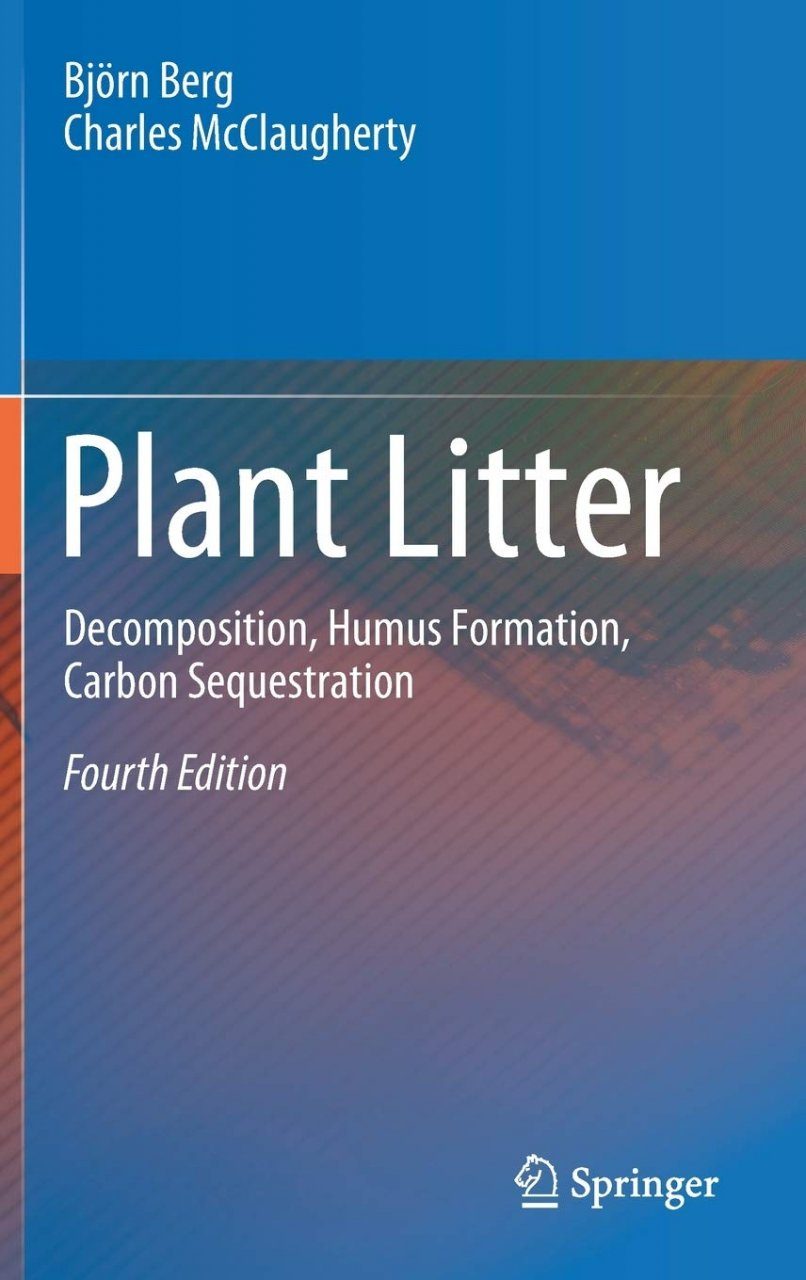
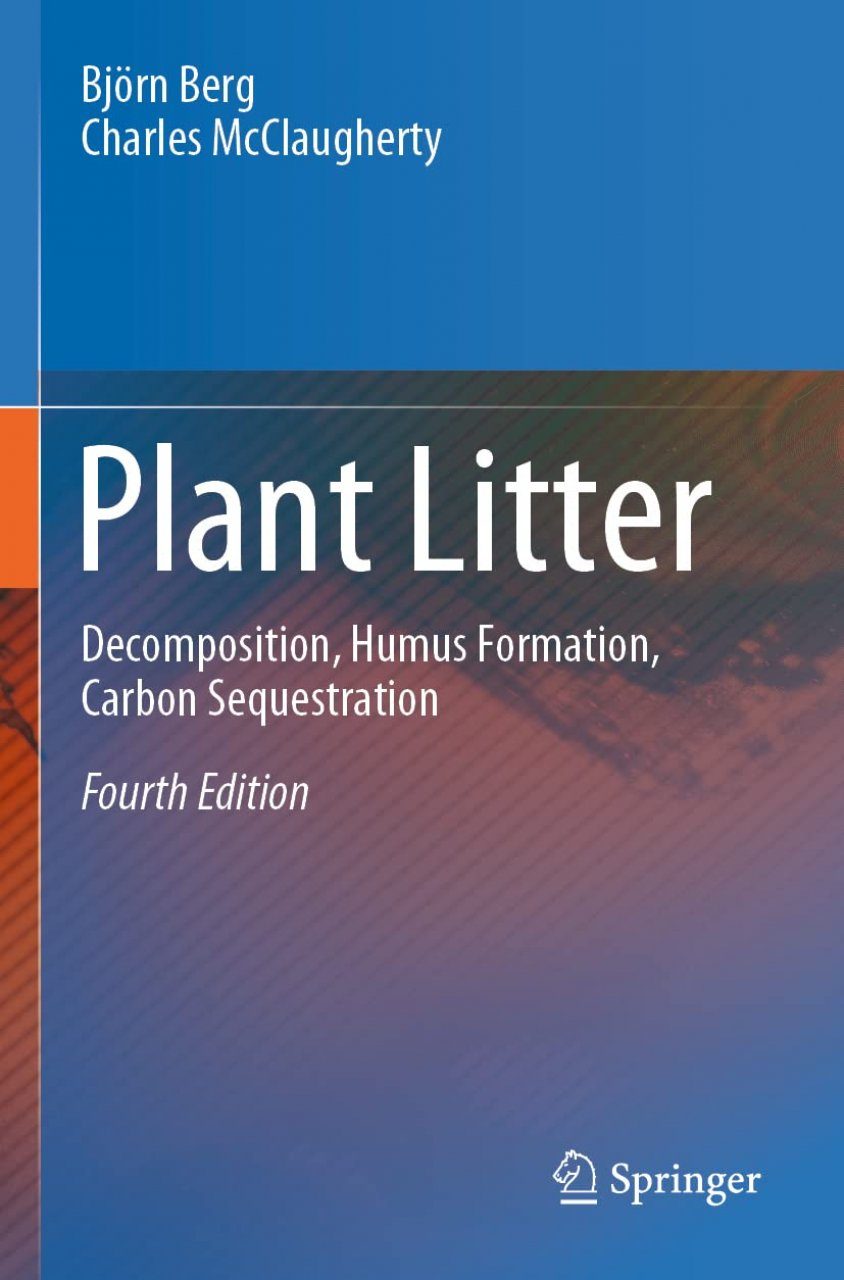
Plant Litter Decomposition, Humus Formation, Carbon Sequestration

Monograph
By: Björn Berg(Author), Charles McClaugherty(Author)
332 pages, 6 colour & 93 b/w illustrations, tables
Publisher: Springer Nature
Plant Litter
Click to have a closer look
Select version
  • Plant Litter ISBN: 9783030596330 Edition: 4 Paperback Dec 2021 Not in stock: Usually dispatched within 1-2 weeks
    £129.99
    #257939
  • Plant Litter ISBN: 9783030596309 Edition: 4 Hardback Dec 2020 Not in stock: Usually dispatched within 1-2 weeks
    £149.99
    #257938
Selected version: £129.99
About this book Contents Customer reviews Related titles

About this book

This book gives basic facts about litter decomposition studies, which are of guidance for scientists who start studies. Since Plant Litter of the third edition, there has been quite a development not only in the field of litter decomposition but also in supporting branches of science, which are important for fruitful work on and understanding of decomposition of plant litter and sequestration of carbon. A consequence is that 'old established truths' are becoming outdated.

New knowledge in the fields of phytochemistry and microbial ecology has given a new baseline for discussing the concepts 'litter decomposition' and 'carbon sequestration'. We can also see a rich literature on litter decomposition studies using roots and wood as substrates. These have given new insights in factors that regulate the decomposition rate and as regards roots their contribution to sequestered carbon in humus. Additional facts on the role of temperature vs the litters' chemical composition may in part change our view on effects of climate change.

Further information on applications of the new analytical technique (13C-NMR) for determining organic-chemical compounds has allowed us to develop these parts.

Focus is laid on needle litter of Scots pine as a model substrate as this species has been considerably more studied than other litter species. Also the boreal/northern temperate coniferous forest has in part been given this role. Still, new information may allow us to develop information about litter from further tree species.

Contents

Chapter 1. Introduction
Chapter 2. Decomposition as a process: Some main features
Chapter 3. Decomposer organisms
Chapter 4. Initial litter chemical composition
Chapter 5. Changes in substrate composition during decomposition
Chapter 6. Chemical constituents as rate regulating: Initial variation and changes during decomposition
Chapter 7. Climatic environment
Chapter 8. Decomposition of fine root and woody root litter
Chapter 9. Decomposition of woody litter and cones
Chapter 10. Models that describe litter decomposition and influences on decomposition patterns
Chapter 11. Influences on stable litter fractions and carbon sequestration in organic layers
Chapter 12. Carbon sequestration rates on a regional scale

Appendix I: Terminology and definitions
Appendix II: Comments to design of litter-bag experiments and some calculations
Appendix III: Short overview to some new analytical methods to main organic components in litter with focus on lignin
Appendix IV: Scientific names on vascular plants

Customer Reviews

Monograph
By: Björn Berg(Author), Charles McClaugherty(Author)
332 pages, 6 colour & 93 b/w illustrations, tables
Publisher: Springer Nature
Current promotions
January SaleNew and Forthcoming BooksBritish Wildlife Magazine SubscriptionField Guide Sale 2025