Um genaue Preise zu sehen, wählen Sie bitte Ihr Lieferland.
 
 
United States
£ GBP
Alle Kategorien
Important Notice for US Customers

British Wildlife

8 issues per year 84 Seiten per Ausgabe Nur im Abonnement erhältlich

British Wildlife is the leading natural history magazine in the UK, providing essential reading for both enthusiast and professional naturalists and wildlife conservationists. Published eight times a year, British Wildlife bridges the gap between popular writing and scientific literature through a combination of long-form articles, regular columns and reports, book reviews and letters.

Abonnement ab £33 im Jahr

Conservation Land Management

4 Auflagen im Jahr 44 Seiten Nur im Abonnement erhältlich

Conservation Land Management (CLM) ist ein Mitgliedermagazin und erscheint viermal im Jahr. Das Magazin gilt allgemein als unverzichtbare Lektüre für alle Personen, die sich aktiv für das Landmanagement in Großbritannien einsetzen. CLM enthält Artikel in Langform, Veranstaltungslisten, Buchempfehlungen, neue Produktinformationen und Berichte über Konferenzen und Vorträge.

Subscriptions from £26 per year
Akademische und professionelle Bücher  Insects & other Invertebrates  Other Invertebrates

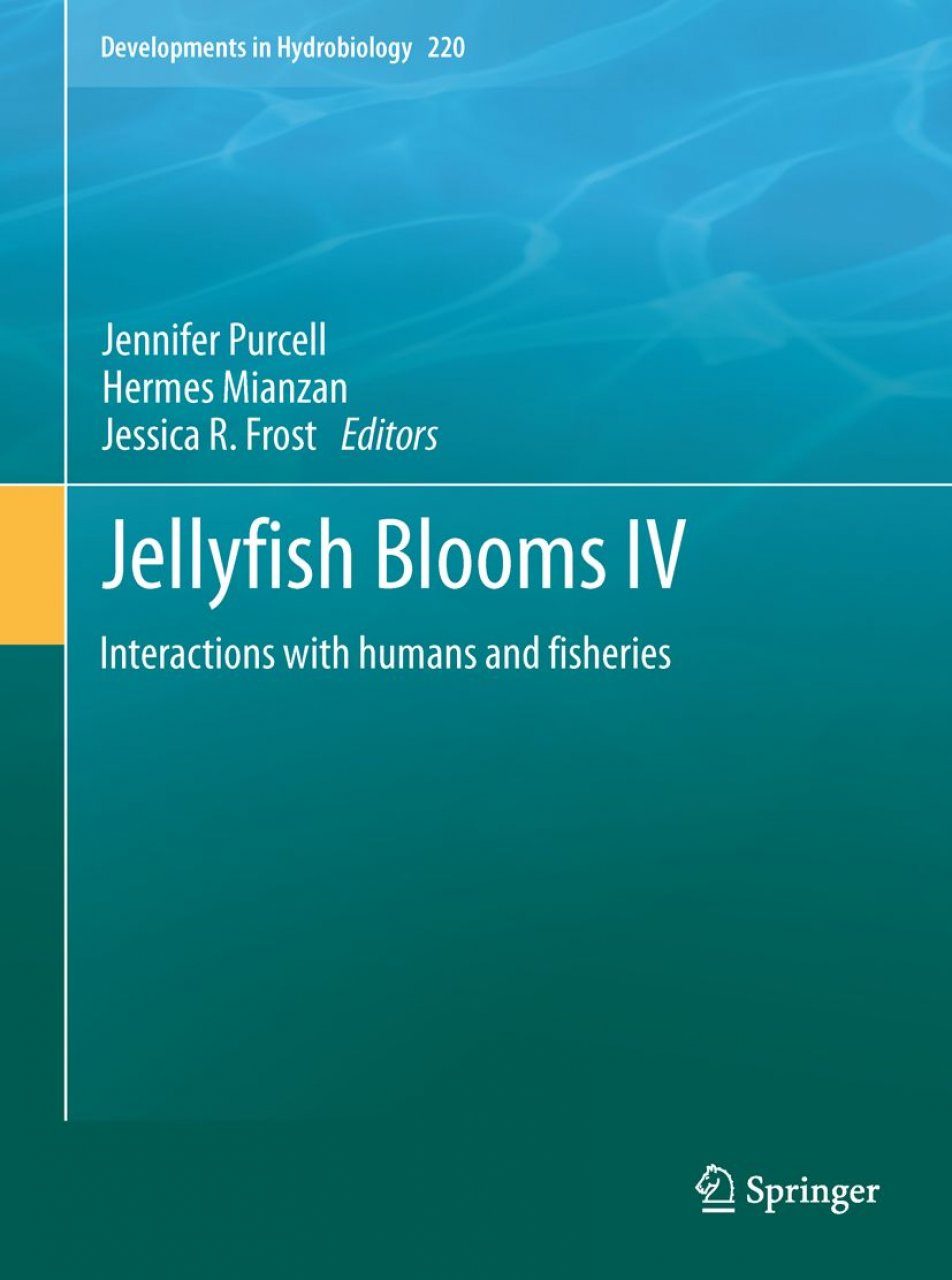
Jellyfish Blooms IV Interactions with Humans and Fisheries

Series: Jellyfish Blooms Volume: 4
By: Jennifer E Purcell(Editor), Hermes Mianzan(Editor), Jessica R Frost(Editor)
290 pages, b/w photos, colour & b/w illustrations, tables
Publisher: Springer Nature
Jellyfish Blooms IV
Click to have a closer look
  • Jellyfish Blooms IV ISBN: 9789400753150 Hardback Oct 2012 Not in stock: Usually dispatched within 1-2 weeks
    £129.99
    #199605
Price: £129.99
About this book Contents Customer reviews Related titles

About this book

Previously published in Hydrobiologia, vol. 690, 2012.

Jellyfish generally are considered to be nuisances because they interfere with human activities by stinging swimmers, clogging power plant intakes and nets of fishermen, killing fish in aquaculture pens, and being both predators and competitors of fish. There is concern that environmental changes such as global warming, eutrophication, over-fishing, and coastal construction may benefit jellyfish populations. During this past decade following the first Jellyfish Blooms volume, some species have bloomed more frequently, expanded their range, and caused more problems for humans. Mnemiopsis leidyi, the ctenophore that invaded the Black Sea in the 1980s and damaged fisheries, now also blooms in the North, Baltic, and Mediterranean seas. Nemopilema nomurai, a giant Asian jellyfish, has bloomed frequently during this decade, causing severe damage to the Japanese fishing industry.

Jellyfish Blooms: Interactions with Humans and Fisheries is the fourth volume in this series. Syntheses and original research articles address the question if jellyfish have increased globally and what factors may have contributed to the abundance of jellyfish. This volume is the most extensive to date, containing papers from all continents (except Antarctica) on scyphozoans, hydrozoans, cubozoans, staurozoans, and ctenophores, and on the fate of jellyfish blooms. This is a key reference for students and professional marine biologists, oceanographers, and fishery scientists and managers.

Contents

- Part I: Jellyfish Blooms
- Part II: Jellyfish Blooms And Their Consequences
- Part III: Potential Controls On Jelly Populations: Environmental Factors, Predation, And Parasitism
- Part IV: Fate Of Jellyfish Blooms
- Part V: Cubomedusan Biology

Customer Reviews

Series: Jellyfish Blooms Volume: 4
By: Jennifer E Purcell(Editor), Hermes Mianzan(Editor), Jessica R Frost(Editor)
290 pages, b/w photos, colour & b/w illustrations, tables
Publisher: Springer Nature
Current promotions
Great GiftsNew and Forthcoming BooksBritish Wildlife Magazine SubscriptionField Guide Sale 2025