Um genaue Preise zu sehen, wählen Sie bitte Ihr Lieferland.
 
 
United States
£ GBP
Alle Kategorien
Important Notice for US Customers

British Wildlife

8 issues per year 84 Seiten per Ausgabe Nur im Abonnement erhältlich

British Wildlife is the leading natural history magazine in the UK, providing essential reading for both enthusiast and professional naturalists and wildlife conservationists. Published eight times a year, British Wildlife bridges the gap between popular writing and scientific literature through a combination of long-form articles, regular columns and reports, book reviews and letters.

Abonnement ab £33 im Jahr

Conservation Land Management

4 Auflagen im Jahr 44 Seiten Nur im Abonnement erhältlich

Conservation Land Management (CLM) ist ein Mitgliedermagazin und erscheint viermal im Jahr. Das Magazin gilt allgemein als unverzichtbare Lektüre für alle Personen, die sich aktiv für das Landmanagement in Großbritannien einsetzen. CLM enthält Artikel in Langform, Veranstaltungslisten, Buchempfehlungen, neue Produktinformationen und Berichte über Konferenzen und Vorträge.

Subscriptions from £26 per year
Akademische und professionelle Bücher  Organismal to Molecular Biology  Microbiology

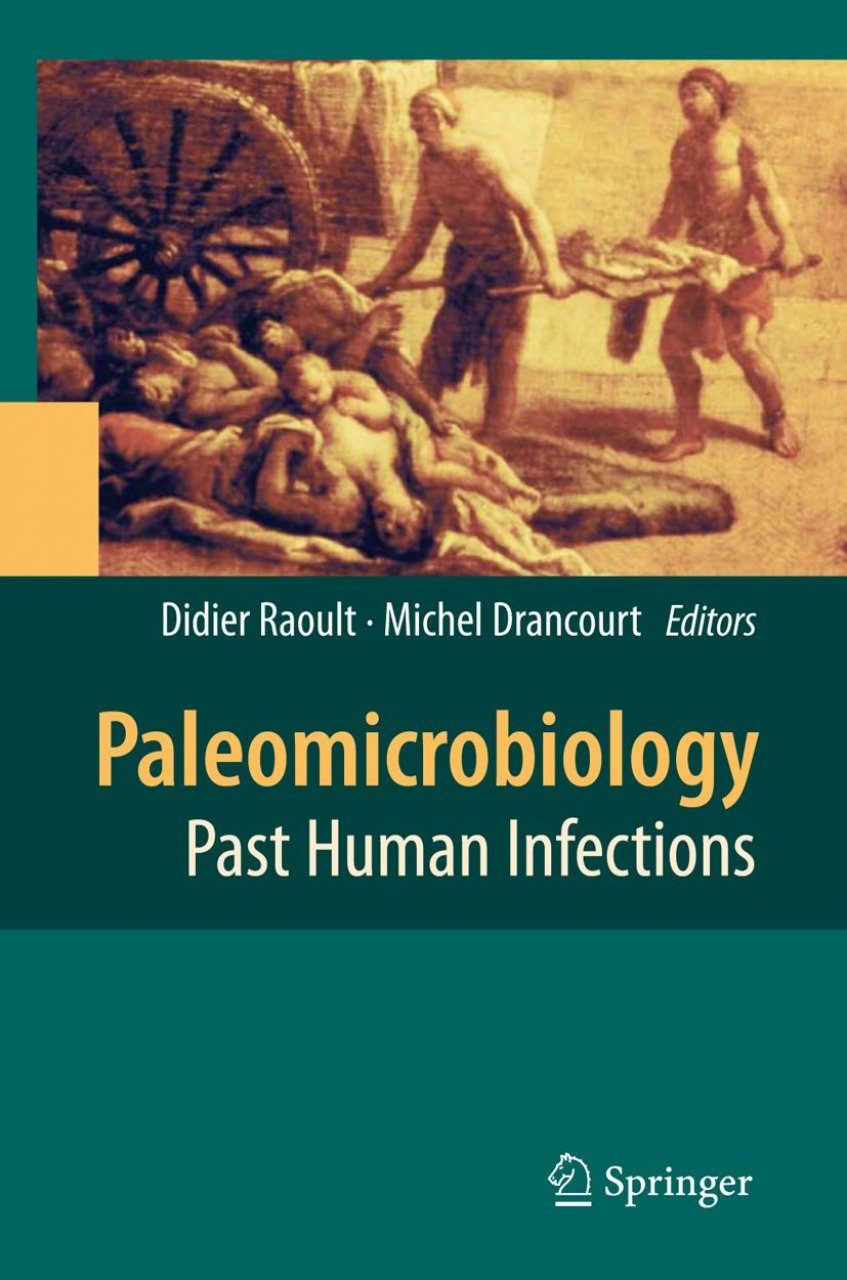
Paleomicrobiology: Past Human Infections

Edited By: Didier Raoult and Michel Drancourt
226 pages, 41 col & b/w figs, tabs
Publisher: Springer Nature
Paleomicrobiology: Past Human Infections
Click to have a closer look
  • Paleomicrobiology: Past Human Infections ISBN: 9783540758549 Hardback Jan 2008 Not in stock: Usually dispatched within 1-2 weeks
    £89.99
    #174295
Price: £89.99
About this book Contents Customer reviews Related titles

About this book

Paleomicrobiology - Past Human Infections features the methods and main achievements in this emerging field of research at the intersection of microbiology and evolution, history and anthropology. New molecular approaches have already provided exciting results, such as confirmation of a single biotype of Yersinia pestis as the causative agent of historical plague pandemics, and the closer proximity of Mycobacterium tuberculosis from ancient skeletons to modern strains than to Mycobacterium bovis, shedding new light on the evolution of major human pathogens and pathogen - population relationships. Firm microbiological diagnoses also provide historians and anthropologists with new data on which to base evaluation of past epidemics.

Contents

1 Great Plagues of the Past and Remaining Questions.- Part I The Techniques and Methods.- 2 Identification and Interpretation of Historical Cemeteries Linked to Epidemics.- 3 Archaeological Proof of an Abrupt Mortality Crisis: Simultaneous Deposit of Cadavers, Simultaneous Deaths?.- 4 Molecular Detection of Past Pathogens.- 5 Histologic Detection of Past Pathogens.- Part II: Ancient Microorganisms.- Bacteria.-Palaeomicrobiology of Tuberculosis.- 7 Past Leprae.- 8 Archaeology of Human Pathogens: Palaeopathological Appraisal of Palaeoepidemiology.- 9 Past Plague.- 10 Typhoid Fever Epidemic in Ancient Athens.- 11 Dental Pulp as a Tool for the Retrospective Diagnosis of Infectious Diseases.- Viruses.- History of Influenza Pandemics.- Parasites.- 13 Human lice: Pediculus and Pthirus.

Customer Reviews

Edited By: Didier Raoult and Michel Drancourt
226 pages, 41 col & b/w figs, tabs
Publisher: Springer Nature
Media reviews

From the reviews: "This collection of reviews will appeal to all with an interest as to how microbes have shaped the development of present-day societies. ! the authors provide a balanced overview relating case descriptions of the time to more objective findings. ! This is a book for browsing and gives cause to reflect on the critical role of microbes in determining the course of western civilization." (Colin Howard, Microbiology Today, July, 2009)

Current promotions
Great GiftsNew and Forthcoming BooksBritish Wildlife Magazine SubscriptionField Guide Sale 2025