Um genaue Preise zu sehen, wählen Sie bitte Ihr Lieferland.
 
 
United States
£ GBP
Alle Kategorien
Important Notice for US Customers

British Wildlife

8 issues per year 84 Seiten per Ausgabe Nur im Abonnement erhältlich

British Wildlife is the leading natural history magazine in the UK, providing essential reading for both enthusiast and professional naturalists and wildlife conservationists. Published eight times a year, British Wildlife bridges the gap between popular writing and scientific literature through a combination of long-form articles, regular columns and reports, book reviews and letters.

Abonnement ab £33 im Jahr

Conservation Land Management

4 Auflagen im Jahr 44 Seiten Nur im Abonnement erhältlich

Conservation Land Management (CLM) ist ein Mitgliedermagazin und erscheint viermal im Jahr. Das Magazin gilt allgemein als unverzichtbare Lektüre für alle Personen, die sich aktiv für das Landmanagement in Großbritannien einsetzen. CLM enthält Artikel in Langform, Veranstaltungslisten, Buchempfehlungen, neue Produktinformationen und Berichte über Konferenzen und Vorträge.

Subscriptions from £26 per year
Akademische und professionelle Bücher  Marine & Freshwater Biology  Marine Biology  Marine Fauna & Flora

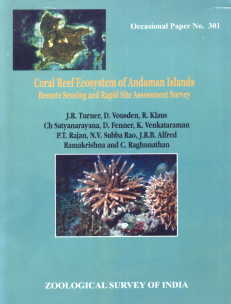
Coral Reef Ecosystem of Andaman Islands Remote Sensing and Rapid Site Assessment Survey

By: JR Turner
132 pages, 98 illustrations, tables
Coral Reef Ecosystem of Andaman Islands
Click to have a closer look
  • Coral Reef Ecosystem of Andaman Islands Paperback Dec 2009 Not in stock: Usually dispatched within 2-4 weeks
    £45.99
    #198601
Price: £45.99
About this book Contents Customer reviews Related titles

About this book

Appearing as solitary forms in the fossil record more than 400 million years ago, corals are extremely ancient animals that evolved into modern reef-building forms over the last 25 million years. Large wave resistant structures of reef have accumulated from the slow growth of corals. Coral reefs are the largest structures on earth of biological origin. They are the most diverse and beautiful of all marine habitats. The development of reef is aided by algae that are symbiotic with reef-building corals, known as Zooxanthellae. Coralline algae, sponges and other organisms, combined with a number of cementation processes also contribute to reef growth. Corals and coralline algae precipitate calcium carbonate, whereas the framework-building sponges may also precipitate silica. Most of these organisms are colonial, and the slow process of precipitation moves the living surface layer of the reef upward and seaward. The reef is topographically complex. Much like a rain forest, it has many strata and areas of strong shade, cast by the over towering coral colonies. Because of the complexity, thousands of species of fish and invertebrates live in association with reefs, which are by far our richest marine habitats. Of all ocean habitats, reefs seem to have the greatest development of complex symbiotic associations.

Contents

I. Introduction
1. Classification
2. Fossil history
3. Geographical distribution
4. Growth of corals
5. Structure of coral reefs
6. Importance of coral reefs

II. Methods
1. Image processing state (I)
2. Field survey
3. Data analysis
4. Image processing state (II)

III. Results
1. Terrestrial biotopes of the Andaman Islands
2. Marine biotopes of the Andaman Islands
3. Site description
4. Diversity of corals
5. Pre-Tsunami status of corals
6. Post-Tsunami status of corals
7. Status of new coral recruits

IV. Discussion: Threats to coral reefs of Andaman and Nicobar Islands
Management strategies
Summary

Acknowledgements
References

Customer Reviews

By: JR Turner
132 pages, 98 illustrations, tables
Current promotions
Great GiftsNew and Forthcoming BooksBritish Wildlife Magazine SubscriptionField Guide Sale 2025