Um genaue Preise zu sehen, wählen Sie bitte Ihr Lieferland.
 
 
United States
£ GBP
Alle Kategorien
Important Notice for US Customers

British Wildlife

8 issues per year 84 Seiten per Ausgabe Nur im Abonnement erhältlich

British Wildlife is the leading natural history magazine in the UK, providing essential reading for both enthusiast and professional naturalists and wildlife conservationists. Published eight times a year, British Wildlife bridges the gap between popular writing and scientific literature through a combination of long-form articles, regular columns and reports, book reviews and letters.

Abonnement ab £33 im Jahr

Conservation Land Management

4 Auflagen im Jahr 44 Seiten Nur im Abonnement erhältlich

Conservation Land Management (CLM) ist ein Mitgliedermagazin und erscheint viermal im Jahr. Das Magazin gilt allgemein als unverzichtbare Lektüre für alle Personen, die sich aktiv für das Landmanagement in Großbritannien einsetzen. CLM enthält Artikel in Langform, Veranstaltungslisten, Buchempfehlungen, neue Produktinformationen und Berichte über Konferenzen und Vorträge.

Subscriptions from £26 per year
Akademische und professionelle Bücher  Earth System Sciences  Hydrosphere  Water Resources & Management  Water Resources & Management: General

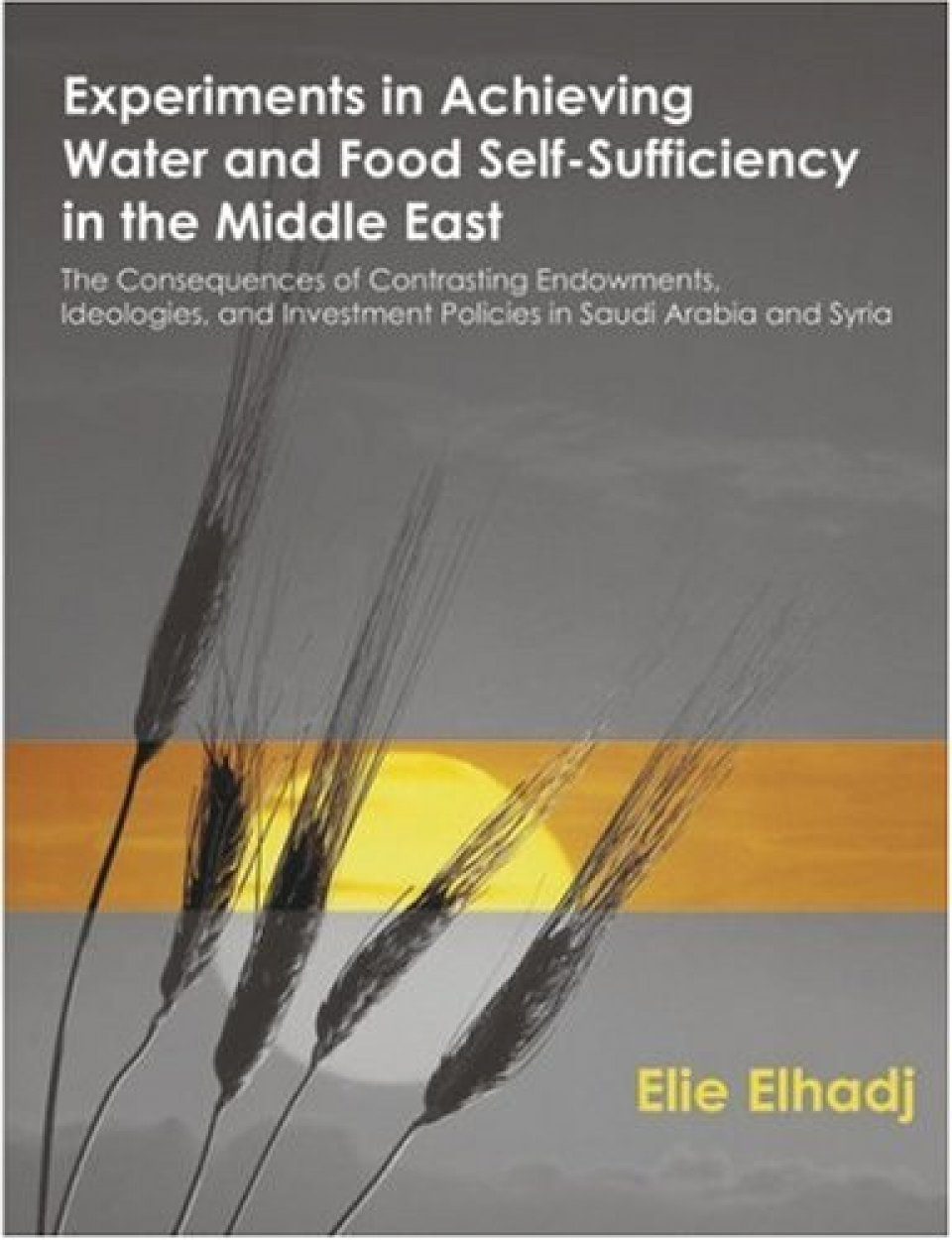
Experiments in Achieving Water and Food Self-Sufficiency in the Middle East Investment Policies in Saudi Arabia and Syria The Consequences of Contrasting Endowments, Ideologies and

By: Elie Elhadj
212 pages, tables
Publisher: Dissertation.com
Experiments in Achieving Water and Food Self-Sufficiency in the Middle East Investment Policies in Saudi Arabia and Syria
Click to have a closer look
  • Experiments in Achieving Water and Food Self-Sufficiency in the Middle East Investment Policies in Saudi Arabia and Syria ISBN: 9781581122985 Paperback Mar 2006 Not in stock: Usually dispatched within 2-4 weeks
    £26.99
    #173466
Price: £26.99
About this book Customer reviews Related titles

About this book

The book aims to quantify and analyze how two water scarce but ideologically different Middle Eastern political economies, Saudi Arabia and Syria, addressed water sector investment between 1980 and 2000. The study examines how narrow-coalitions of decision-makers obsessed by impossible-to-achieve food self-sufficiency goals, lacking environmental consideration and safe political processes contributed to massively waste scarce resources and unsustainable water policies.

The book shows that of Saudi Arabia's US$1,034 billion in oil revenues (1974-2001), 48% was spent on security, plus 10% on the ruling family. Nominal Per capita income dropped by 42% (1981-2000). Syria's per capita income dropped (1985-2000) by 17%, to US$1,200. Armaments' consumed (1970-1990) 13% of GDP. Agricultural investment was wasteful. Saudis produced wheat at five times the international price, depleted 300 billion m3 of mainly non-renewable groundwater and degraded aquifers' quality. 53% of Saudis have no municipal water connections. Syria's Government return on agricultural investment in 2000 was estimated at US$150 million loss. Aquifers' quality was degraded, leaving most urban households enduring acute water shortages.

Customer Reviews

By: Elie Elhadj
212 pages, tables
Publisher: Dissertation.com
Current promotions
Great GiftsNew and Forthcoming BooksBritish Wildlife Magazine SubscriptionField Guide Sale 2025