About this book
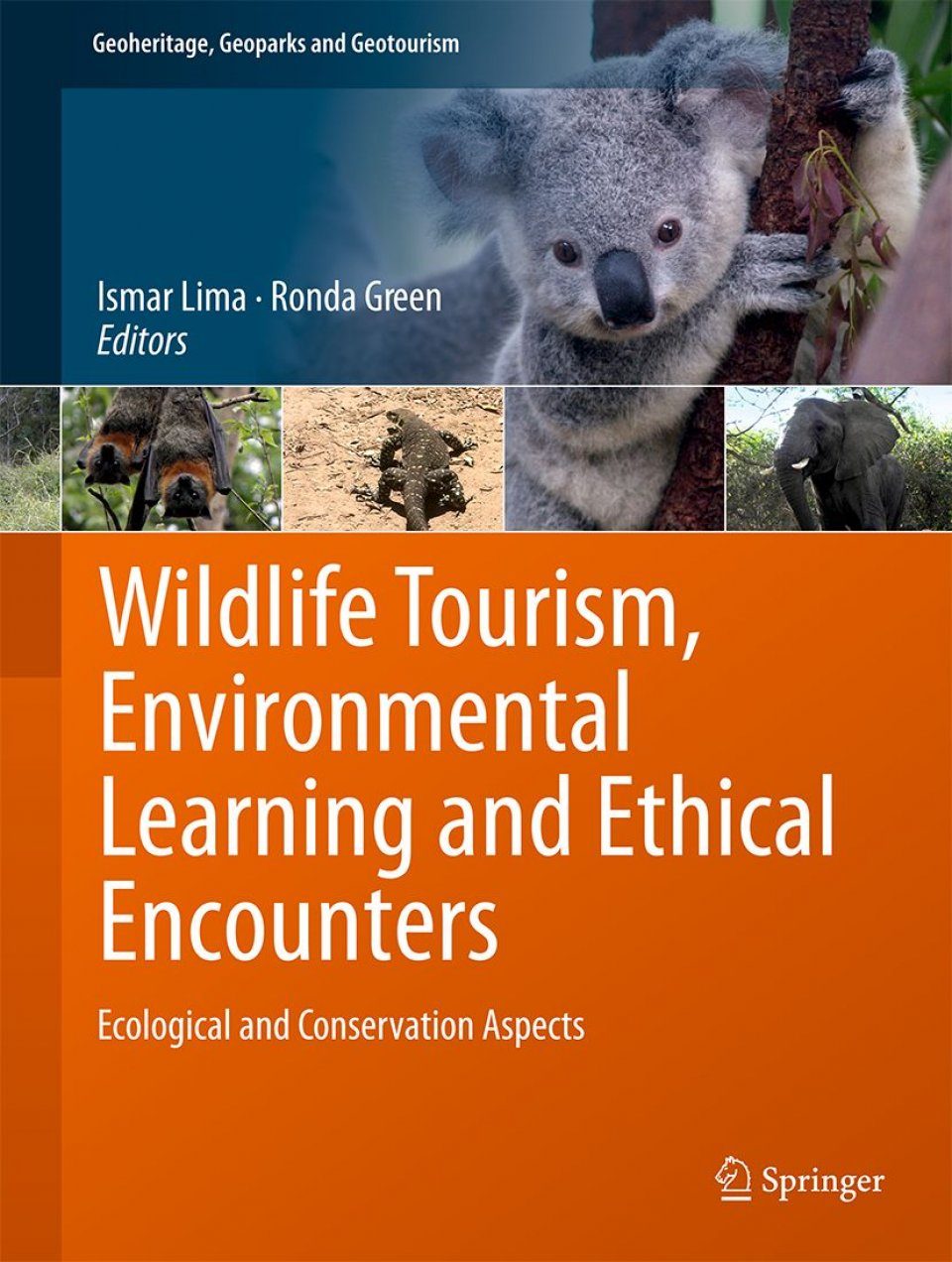
Wildlife Tourism, Environmental Learning and Ethical Encounters outlines the status quo of worldwide wildlife tourism and its impacts on planning, management, knowledge, awareness, behaviour and attitudes related to wildlife encounters. It sets out to fill the considerable gaps in our knowledge on wildlife tourism, applied ecology, and environmental education, providing comprehensive information on and an interdisciplinary approach to effective management in wildlife tourism.
Examining the intricacies, challenges, and lessons learned in a meaningful and rewarding tourism niche, this interdisciplinary book comprehensively examines the major potentials and controversies in the wildlife tourism industry. Pursuing an insightful, provocative and hands-on approach, it primarily addresses two questions: 'Can we reconcile the needs of the wildlife tourism industry, biodiversity conservation, ecological learning and animal ethics issues?' and 'What is the Future of the Wildlife Tourism Industry?'.
Though primarily intended as a research text, it also offers a valuable resource for a broad readership, which includes university and training students, researchers, scholars, tourism practitioners and professionals, planners and managers, as well as the staff of government agencies.
Contents
Preface
Part I - Introduction and Major Concepts on Human-Wildlife Encounters
1.0 Introduction: An overview of the contemporary state of the worldwide wildlife tourism
1.1 Conceptualization: The importance and application of environmental education and 'applied ecology' in the wildlife tourism context
1.2 Other conceptual approaches for the case: Animals ethics
Part II - Wildlife Tourism, Applied Ecology, and Environmental Interpretation
2.0 Understanding the key species in the Tourism Industry
2.1 Conservation of biodiversity including wildlife of tourism interest and all other fauna and flora
2.2 Wildlife tourism and opportunities for environmental interpretation and Education
2.3 Impacts on knowledge: visitor learning in captive and non-captive wildlife tourism
2.4 School visitors and environmental education: wildlife encounters for curriculum-based learning
2.5 Wildlife tourism and encounters as a source of education, training or science
2.6 Educational wildlife experiences
2.7 Citizen science in tourism
2.8 Conflicts between wildlife conservation and animal welfare in the tourism industry
2.9 Disturbing Skippy on Tour
Part III - Ethical and Moral Issues, and the Best Practices in Wildlife Encounters: Worldwide Case Studies
3.0 Wild Discovery and Wildlife Watching in the wild
3.1 Animals in natural or semi-natural environments with little direct contact
3.2 Ethical and moral issues in Wildlife Interaction in Captive and Semi-captive Environments
3.3 Hunting Safaris and Fishing
Customer Reviews
Biography
Ismar Borges de Lima is currently an associate professor at the State University of Roraima (UERR), Brazil, and an Adjunct Lecturer at Southern Cross University (SCU), Australia, where he also did his postdoc studies in 2015 at the School of Business and Tourism with research on wildlife tourism and environmental interpretation in parks. He is a PhD holder in the field of Geography & Tourism, a degree awarded in 2008 by the University of Waikato, in New Zealand.
Ronda J. Green holds a PhD in zoology and has conducted much ecological and behavioural research over the years, especially seed dispersal by fruit-eating animals and the effects of habitat alteration on wildlife, also play behaviour of chimpanzees and various aspects of wildlife tourism. She has had extensive experience in nature interpretation for all ages, having run a holiday farm, worked as a ranger in charge of interpretive activities, lectured at university and adult education classes, among others. She is currently chair of Wildlife Tourism Australia and Scenic Rim Wildlife.