





Conservation
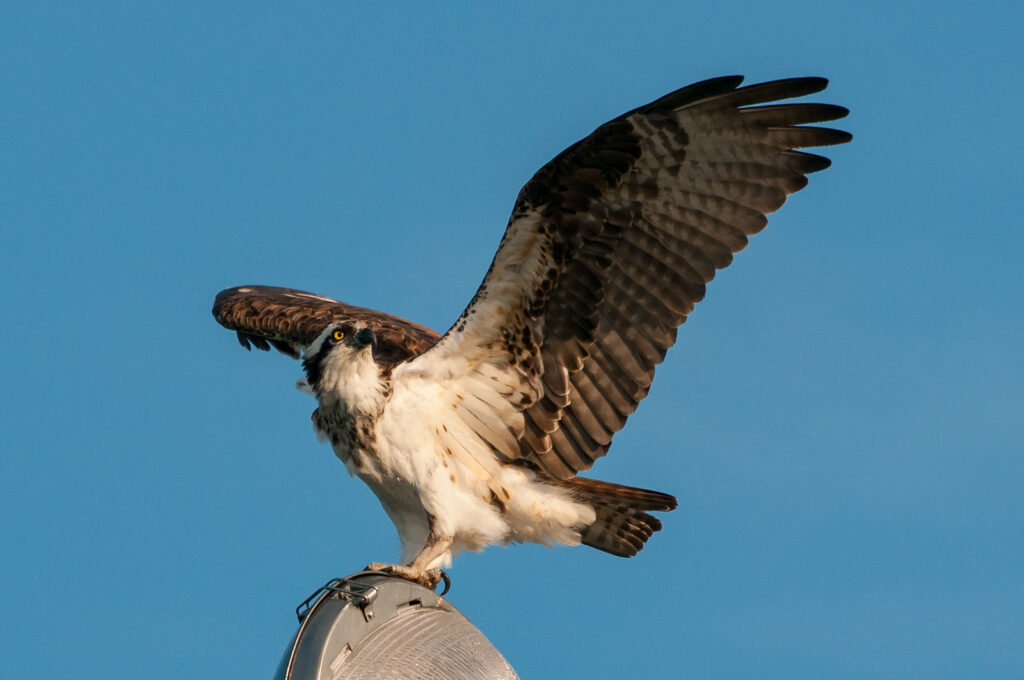
Ospreys are being reintroduced to Ireland, more than 200 years after they were declared extinct. The species has not bred in Ireland since the 1700s but, after years of lobbying, the National Parks and Wildlife Service has agreed to reintroduce Osprey this year. A report from last year showed that 25% of Irish birds are in severe decline, with 37% more showing moderate decline. There are now calls to reintroduce more birds that are now extinct in Ireland.
A family of beavers has been released on an estate in Staffordshire to help boost biodiversity. The individuals have been placed in one of the largest enclosures in the UK on the 725-acre estate. Beavers were hunted to extinction in England, and it is thought that this is the first time the species has swum in Staffordshire for more than 400 years.
Extinction risk
People are being warned to leave capercailies alone, as this endangered bird stops breeding when disturbed. This species, whose Scottish population consists of only 542 individuals, is on the brink of extinction. It is a criminal offence to disturb capercallie while they are lekking (where males gather to display and fight for the attention of females), nesting or raising young. A birdwatcher was even arrested and charged last year for disturbing them.
Climate change
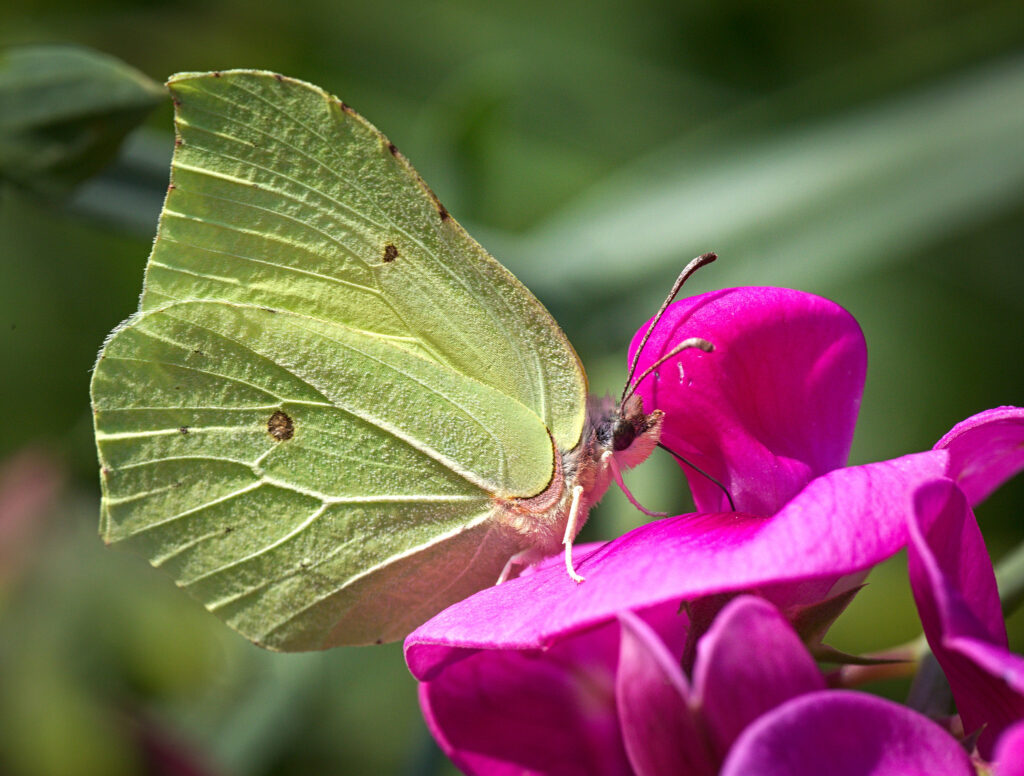
The hot, dry summer of 2022 has had a major impact on some UK butterfly species. The new study was conducted by Butterfly Conservation, the UK Centre for Ecology & Hydrology, British Trust for Ornithology and Joint Nature Conservation Committee. It showed that species such as the green-veined white, small white, small tortoiseshell, peacock and brimstone experienced greatly reduced numbers following the widespread drought. This is thought to be due to insufficient food for the caterpillars as food plants withered and died in the drought conditions.
The net zero strategy shows that the UK will miss its 2030 emissions cuts targets. According to the government, its policies will only achieve 92% of cuts required, but experts think that is a ‘very generous reading’. The UK has a legally binding requirement to reach net zero emissions by 2050, and it commited under the Paris agreement to cut emissions by 68% by 2030 (compared with 1990 levels). The new strategy is a mix of wins and losses: it requires car manufacturers to ensure 22% of their car sales and 10% of van sales must be of electric vehicles by 2024, but does not lift the ban on onshore windfarms and contains little reference to agriculture.
Policy
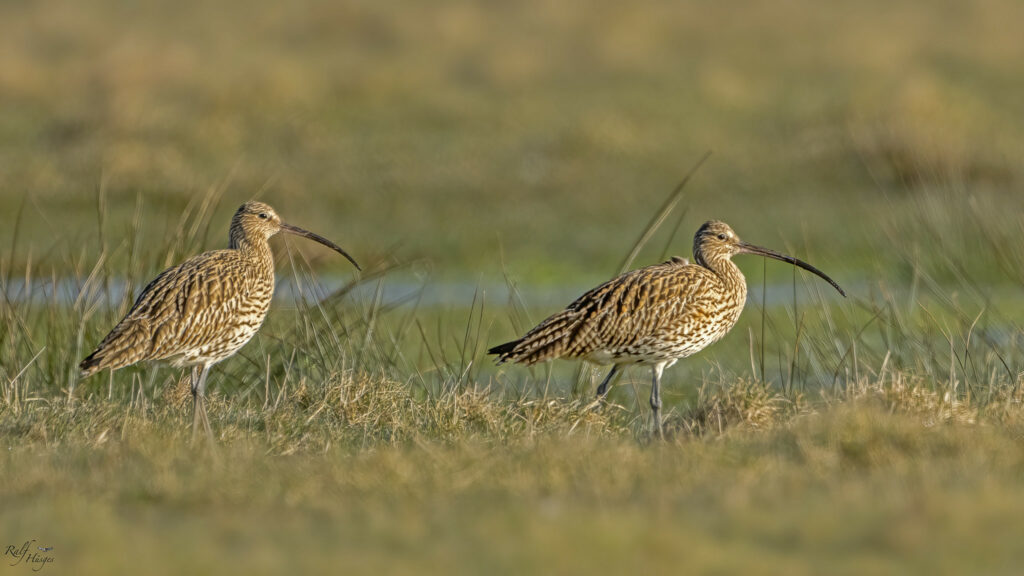
A new multi-million pound grant scheme has been launched by Natural England to help rare and threatened species, such as water voles, curlews and natterjack toads. The Species Recovery Programme Capital Grant Scheme will provide projects with £18 million over two years, delivering targeted conservation action through the creation and improvement of specific wildlife habitats, conservation translocation, research and creating solutions to address species decline.
New discoveries
Scientists have found the deepest fish ever recorded at 8,300 metres in the Izu-Ogasawara trench near Japan. A team made up of researchers from Western Australia and Tokyo captured footage of the animal, an unknown snailfish species belonging to the genus Pseudoliparis. Two other snailfish, Pseudoliparis belyaevi, were also filmed at a depth of 8,022m. At this depth, the pressure is 800 times greater than at the surface; snailfish are adapted to live at these high pressures by not having swim bladders and they have a gelatinous layer instead of scales.
A newly described leafless orchid in Sri Lanka has been named. The species was found in a lowland wet zone forest and has been named Gastrodia pushparaga, after a precious yellow sapphire commonly extracted from the same district. This is the third Gestrodia species found in Sri Lanka, the other two being discovered in 1906 and 2020.