Um genaue Preise zu sehen, wählen Sie bitte Ihr Lieferland.
 
 
United States
£ GBP
Alle Kategorien
Important Notice for US Customers

British Wildlife

8 issues per year 84 Seiten per Ausgabe Nur im Abonnement erhältlich

British Wildlife is the leading natural history magazine in the UK, providing essential reading for both enthusiast and professional naturalists and wildlife conservationists. Published eight times a year, British Wildlife bridges the gap between popular writing and scientific literature through a combination of long-form articles, regular columns and reports, book reviews and letters.

Abonnement ab £33 im Jahr

Conservation Land Management

4 Auflagen im Jahr 44 Seiten Nur im Abonnement erhältlich

Conservation Land Management (CLM) ist ein Mitgliedermagazin und erscheint viermal im Jahr. Das Magazin gilt allgemein als unverzichtbare Lektüre für alle Personen, die sich aktiv für das Landmanagement in Großbritannien einsetzen. CLM enthält Artikel in Langform, Veranstaltungslisten, Buchempfehlungen, neue Produktinformationen und Berichte über Konferenzen und Vorträge.

Subscriptions from £26 per year
Akademische und professionelle Bücher  History & Other Humanities  Archaeology

Cannibalism in the Linear Pottery Culture The Human Remains from Herxheim

By: Bruno Boulestin(Author), Anne-Sophie Coupey(Author)
143 pages, 114 colour photos, colour illustrations, colour maps and tables
Publisher: Archaeopress
Cannibalism in the Linear Pottery Culture
Click to have a closer look
  • Cannibalism in the Linear Pottery Culture ISBN: 9781784912130 Paperback Oct 2015 Out of stock with supplier: order now to get this when available
    £34.99
    #226489
Price: £34.99
About this book Customer reviews Biography Related titles
Images Additional images
Cannibalism in the Linear Pottery CultureCannibalism in the Linear Pottery CultureCannibalism in the Linear Pottery Culture

About this book

The Herxheim enclosure, located in the German region of Palatinate, is one of the major discoveries of the last two decades regarding the Linear Pottery Culture, and probably one of the most significant in advancing understanding of how this culture ended. The spectacular deposits, mostly composed of human remains, recovered on the occasion of the two excavation campaigns carried out on the site, grabbed people's attention and at the same time raised several questions regarding their interpretation, which had so far mostly hesitated between peculiar funerary practices, war and cannibalism.

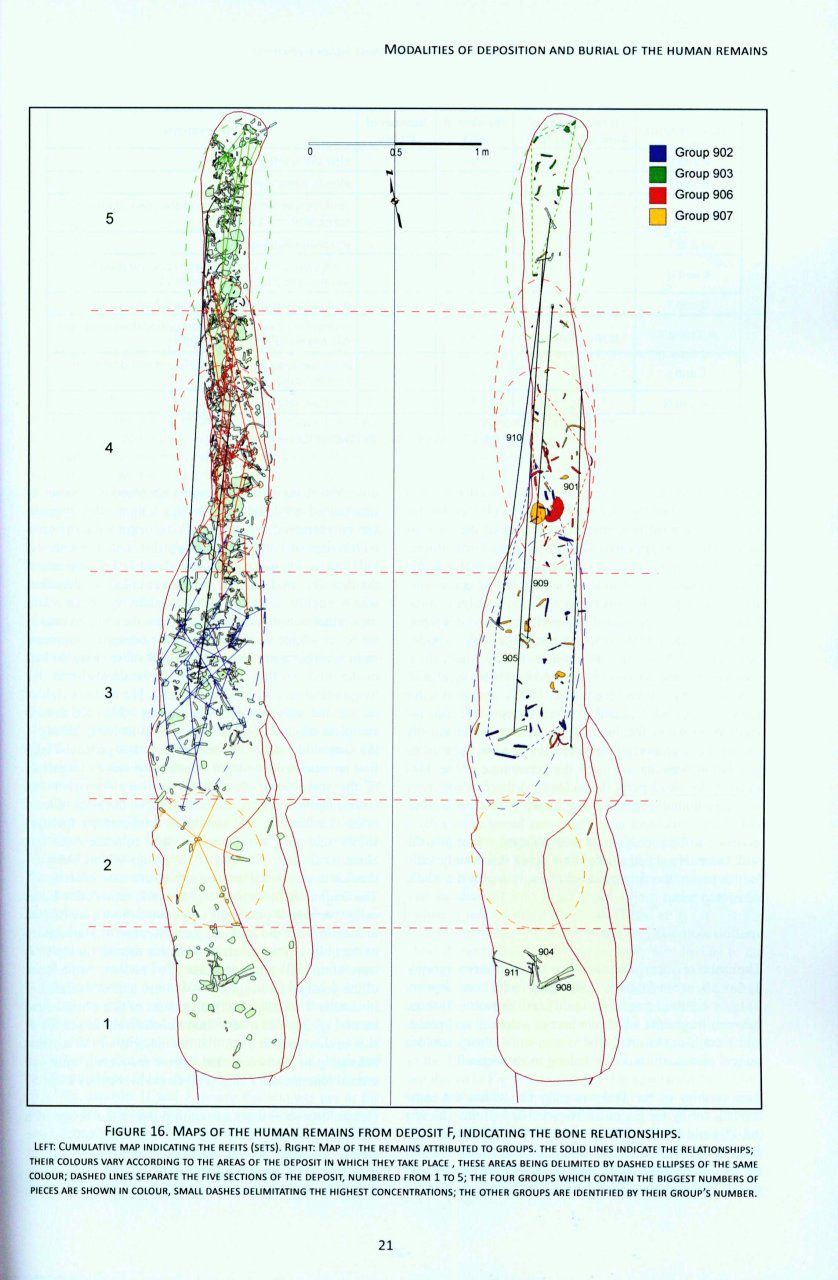
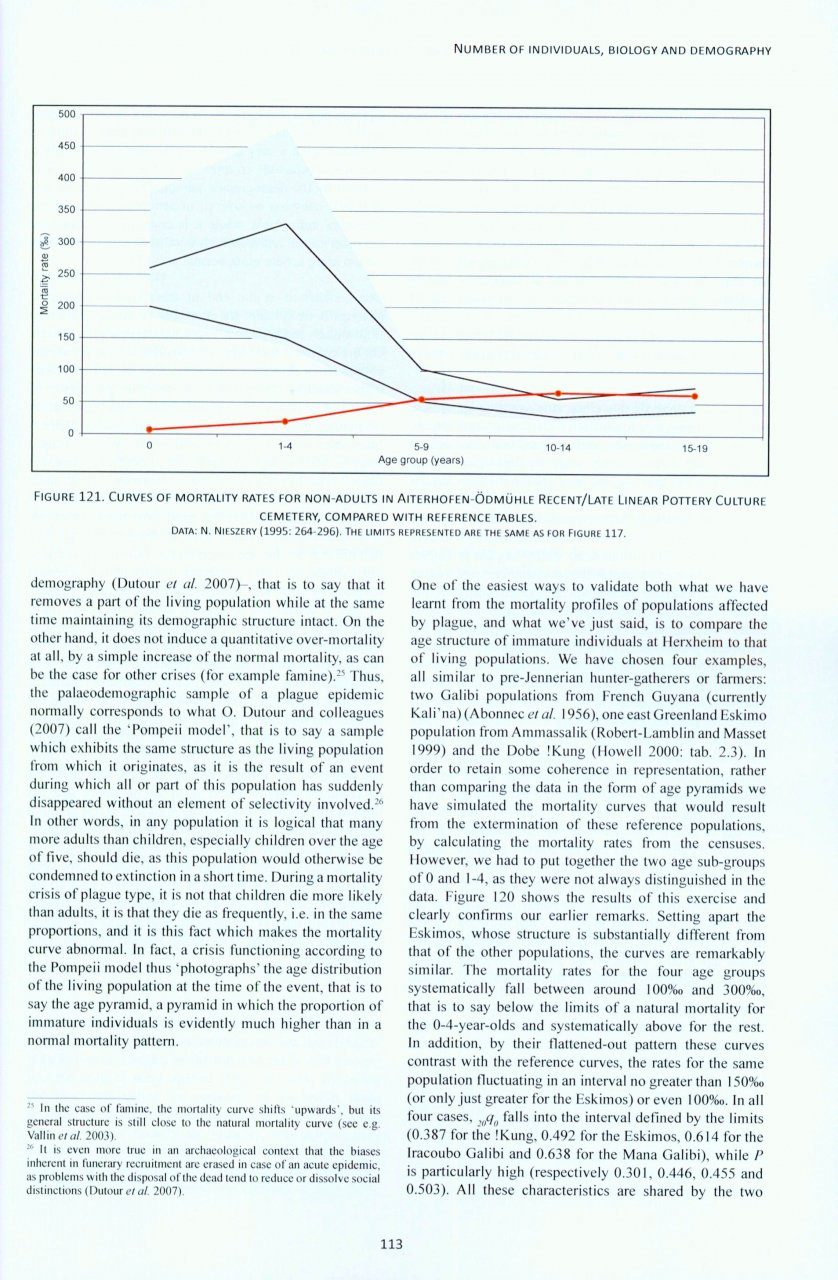
The authors provide here the first extensive study of the human remains found at Herxheim, focusing mainly on those recovered during the 2005–2010 excavation campaign. They first examine the field data in order to reconstruct at best the modalities of deposition of these remains. Next, from the quantitative analyses and those of the bone modifications, they describe the treatments of the dead, showing that they actually were the victims of cannibalistic practices. The nature of this cannibalism is then discussed on the basis of biological, palaeodemographic and isotopic studies, and concludes that an exocannibalism existed linked to armed violence. Finally, the human remains are placed in both their local and chronocultural contexts, and a general interpretation is proposed of the events that unfolded in Herxheim and of the reasons for the social crisis at the end of the Linear Pottery culture in which they took place.

Customer Reviews

Biography

Bruno Boulestin is an anthropologist at the University of Bordeaux, France, member of the “Anthropologie des populations passées et presents” (A3P) team of the unit “De la Préhistoire à l’Actuel, Culture, Environnement, Anthropologie” (PACEA, UMR 5199 of the CNRS). He is working on the diachronic study of practices around death in ancient societies from both archaeological, bioarchaeological and socio-anthropological data and is specialized in the study of bone modifications and corpse treatments.

Anne-Sophie Coupey is an archaeologist at the University of Rennes 1, France, Centre de Recherche en Archéologie, Archéosciences et Histoire (CReAAH, UMR 6566 of the CNRS). She is specialized in the archaeology of death and has worked mainly on funerary practices in Southeastern Asia.

By: Bruno Boulestin(Author), Anne-Sophie Coupey(Author)
143 pages, 114 colour photos, colour illustrations, colour maps and tables
Publisher: Archaeopress
Current promotions
Great GiftsNew and Forthcoming BooksBritish Wildlife Magazine SubscriptionField Guide Sale 2025