About this book
Language: Spanish
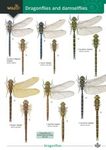
The dragonflies and damselflies (Odonata) are an ancient group, whose morphology has changed little over time for more than 200 million years. In addition, they form a group of around 6,000 species worldwide. A tiny group when compared with the lepidopteran species richness (175,000 species) or beetles (350,000 species). But, curiously, odonates have become a group of animals of great interest for their beauty, their perceived innocence, and for being one of the few insect orders that do not include any pest species, and, on the contrary, have very positive effects on humans, getting rid of many insects that plague us (mosquitoes, for example) or our agriculture and livestock.
In La Rioja, an autonomous community and province in northern Spain, 49 of the 77 species of odonates that inhabit the Iberian Peninsula can be found (23 damselfly species and 26 dragonfly species). The odonate fauna of La Rioja is mostly Mediterranean, with a small northern set of species that preferably live in the Sierra, and another few species of African origin that can be found in the Ebro Valley.
With this monograph, beautifully illustrated with photographs, the authors wanted to go a step further in the knowledge of the biodiversity of La Rioja; to open a new door to more specific studies; and above all, to offer the first support to anyone interested in identifying odonates; where they live, when they fly and what problems the damselflies and dragonflies living in our region suffer at the moment.
Summary in Spanish:
Las libélulas y caballitos de agua (odonatos) son un grupo muy antiguo, cuya morfología ha variado muy poco a lo largo del tiempo desde hace más de 200 millones de años. Además, forman un conjunto de unas 6.000 especies a nivel mundial. Un grupo diminuto si lo comparamos con la riqueza específica de lepidópteros (175.000) o coleópteros (350.000). Pero curiosamente los odonatos se han convertido en un grupo de animales de gran interés por su belleza, su inocuidad y por ser uno de los pocos órdenes de insectos que no incluye a ninguna especie plaga, y que, al contrario, tiene efectos muy positivos sobre los humanos, al librarnos de gran cantidad de insectos que entran en conflicto con nosotros (los mosquitos, por ejemplo) o con nuestra agricultura y ganadería.
En La Rioja se han encontrado 49 de las 77 especies de odonatos que pueblan la Península Ibérica (23 caballitos de agua y 26 libélulas). La odonatofauna riojana es mayoritariamente mediterránea, con una pequeña componente de especies nórdicas que viven preferentemente en la Sierra, y otro reducido número de elementos de origen africano que lo hacen en el Valle del Ebro.
Con esta monografía, magníficamente ilustrada con fotografías de las especies, hemos querido dar un paso más en el conocimiento de la biodiversidad de La Rioja; abrir una nueva puerta a estudios más concretos; y sobre todo, dar el primer apoyo a toda persona interesada en identificar, saber dónde viven, cuándo vuelan y qué problemas sufren los caballitos de agua y libélulas que viven por el momento en nuestra región.
Customer Reviews




![Libélulas y Caballitos de Agua de La Rioja (Odonata) [Dragonflies and Damselflies of La Rioja]](http://mediacdn.nhbs.com/jackets/jackets_resizer_xlarge/22/227547.jpg?height=620 "Libélulas y Caballitos de Agua de La Rioja (Odonata) [Dragonflies and Damselflies of La Rioja]")
![Libélulas y Caballitos de Agua de La Rioja (Odonata) [Dragonflies and Damselflies of La Rioja]](http://mediacdn.nhbs.com/jackets/jackets_resizer_xlarge/22/227547.jpg)
![Libélulas y Caballitos de Agua de La Rioja (Odonata) [Dragonflies and Damselflies of La Rioja]](http://mediacdn.nhbs.com/jackets/jackets_resizer_xlarge/22/227547_1.jpg)
![Libélulas y Caballitos de Agua de La Rioja (Odonata) [Dragonflies and Damselflies of La Rioja]](http://mediacdn.nhbs.com/jackets/jackets_resizer_xlarge/22/227547_2.jpg)
![Libélulas y Caballitos de Agua de La Rioja (Odonata) [Dragonflies and Damselflies of La Rioja]](http://mediacdn.nhbs.com/jackets/jackets_resizer_xlarge/22/227547_3.jpg)
![Libélulas y Caballitos de Agua de La Rioja (Odonata) [Dragonflies and Damselflies of La Rioja]](http://mediacdn.nhbs.com/jackets/jackets_resizer_xlarge/22/227547_4.jpg)




![Libélulas y Caballitos de Agua de La Rioja (Odonata) [Dragonflies and Damselflies of La Rioja]](http://mediacdn.nhbs.com/jackets/jackets_resizer_medium/22/227547.jpg?height=150&width=111)



![Características de la Comunidad de Aves del Valle del Río Cidacos en Santa Eulalia (La Rioja) [Characteristics of the Avian Community in the Rio Cidacos Valley in Santa Eulalia (La Rioja)]](http://mediacdn.nhbs.com/jackets/jackets_resizer_medium/23/237216.jpg?height=150&width=114)