Um genaue Preise zu sehen, wählen Sie bitte Ihr Lieferland.
 
 
United States
£ GBP
Alle Kategorien
Important Notice for US Customers

British Wildlife

8 issues per year 84 Seiten per Ausgabe Nur im Abonnement erhältlich

British Wildlife is the leading natural history magazine in the UK, providing essential reading for both enthusiast and professional naturalists and wildlife conservationists. Published eight times a year, British Wildlife bridges the gap between popular writing and scientific literature through a combination of long-form articles, regular columns and reports, book reviews and letters.

Abonnement ab £33 im Jahr

Conservation Land Management

4 Auflagen im Jahr 44 Seiten Nur im Abonnement erhältlich

Conservation Land Management (CLM) ist ein Mitgliedermagazin und erscheint viermal im Jahr. Das Magazin gilt allgemein als unverzichtbare Lektüre für alle Personen, die sich aktiv für das Landmanagement in Großbritannien einsetzen. CLM enthält Artikel in Langform, Veranstaltungslisten, Buchempfehlungen, neue Produktinformationen und Berichte über Konferenzen und Vorträge.

Subscriptions from £26 per year
Akademische und professionelle Bücher  Palaeontology  Palaeoclimatology

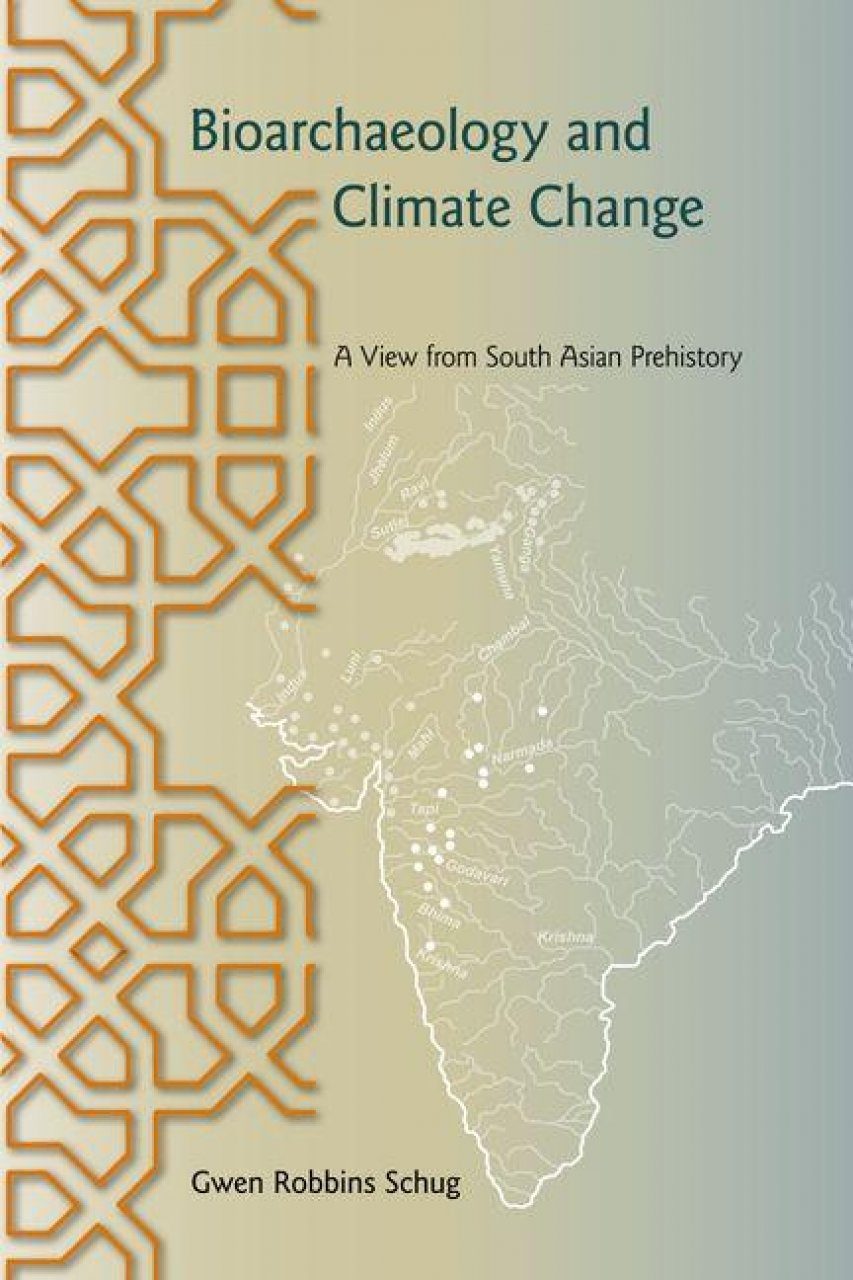
Bioarchaeology and Climate Change A View from South Asian Prehistory

By: Gwen Robbins Schug(Author)
176 pages, 17 b/w Illustrations
Bioarchaeology and Climate Change
Click to have a closer look
Select version
  • Bioarchaeology and Climate Change ISBN: 9780813054124 Paperback Feb 2017 Not in stock: Usually dispatched within 1 week
    £15.99
    #240862
  • Bioarchaeology and Climate Change ISBN: 9780813036670 Hardback Aug 2011 Out of stock with supplier: order now to get this when available
    £67.00
    #189887
Selected version: £15.99
About this book Customer reviews Biography Related titles

About this book

In the context of current debates about global warming, archaeology contributes important insights for understanding environmental changes in prehistory, and the consequences and responses of past populations to them.

In Indian archaeology, climate change and monsoon variability are often invoked to explain major demographic transitions, cultural changes, and migrations of prehistoric populations. During the late Holocene (1400-700 B.C.), agricultural communities flourished in a semiarid region of the Indian subcontinent, until they precipitously collapsed. Gwen Robbins Schug integrates the most recent paleoclimate reconstructions with an innovative analysis of skeletal remains from one of the last abandoned villages to provide a new interpretation of the archaeological record of this period.

Robbins Schug's biocultural synthesis provides us with a new way of looking at the adaptive, social, and cultural transformations that took place in this region during the first and second millennia B.C. Her work clearly and compellingly usurps the climate change paradigm, demonstrating the complexity of human-environmental transformations. This original and significant contribution to bioarchaeological research and methodology enriches our understanding of both global climate change and South Asian prehistory.

Customer Reviews

Biography

Gwen Robbins Schug is assistant professor of anthropology at Appalachian State University, USA.

By: Gwen Robbins Schug(Author)
176 pages, 17 b/w Illustrations
Media reviews

"Using subadult skeletons from the Deccan Chalcolithic period of Indian prehistory, along with archaeological and paleoclimate data, this volume makes an important contribution to understanding the effects of ecological change on demography and childhood growth during the second millennium B.C. in peninsular India."
– Michael Pietrusewsky, University of Hawai'i at Manoa

"Carefully researched, interdisciplinary, focused and informative."
Antiquity Reviews

"A conceptually novel bioarchaeological study."
American Anthropologist

Current promotions
Great GiftsNew and Forthcoming BooksBritish Wildlife Magazine SubscriptionField Guide Sale 2025