To see accurate pricing, please choose your delivery country.
 
 
United States
£ GBP
All Shops
Important Notice for US Customers

British Wildlife

8 issues per year 84 pages per issue Subscription only

British Wildlife is the leading natural history magazine in the UK, providing essential reading for both enthusiast and professional naturalists and wildlife conservationists. Published eight times a year, British Wildlife bridges the gap between popular writing and scientific literature through a combination of long-form articles, regular columns and reports, book reviews and letters.

Subscriptions from £33 per year

Conservation Land Management

4 issues per year 44 pages per issue Subscription only

Conservation Land Management (CLM) is a quarterly magazine that is widely regarded as essential reading for all who are involved in land management for nature conservation, across the British Isles. CLM includes long-form articles, events listings, publication reviews, new product information and updates, reports of conferences and letters.

Subscriptions from £26 per year
Good Reads  Palaeontology  Palaeozoology & Extinctions

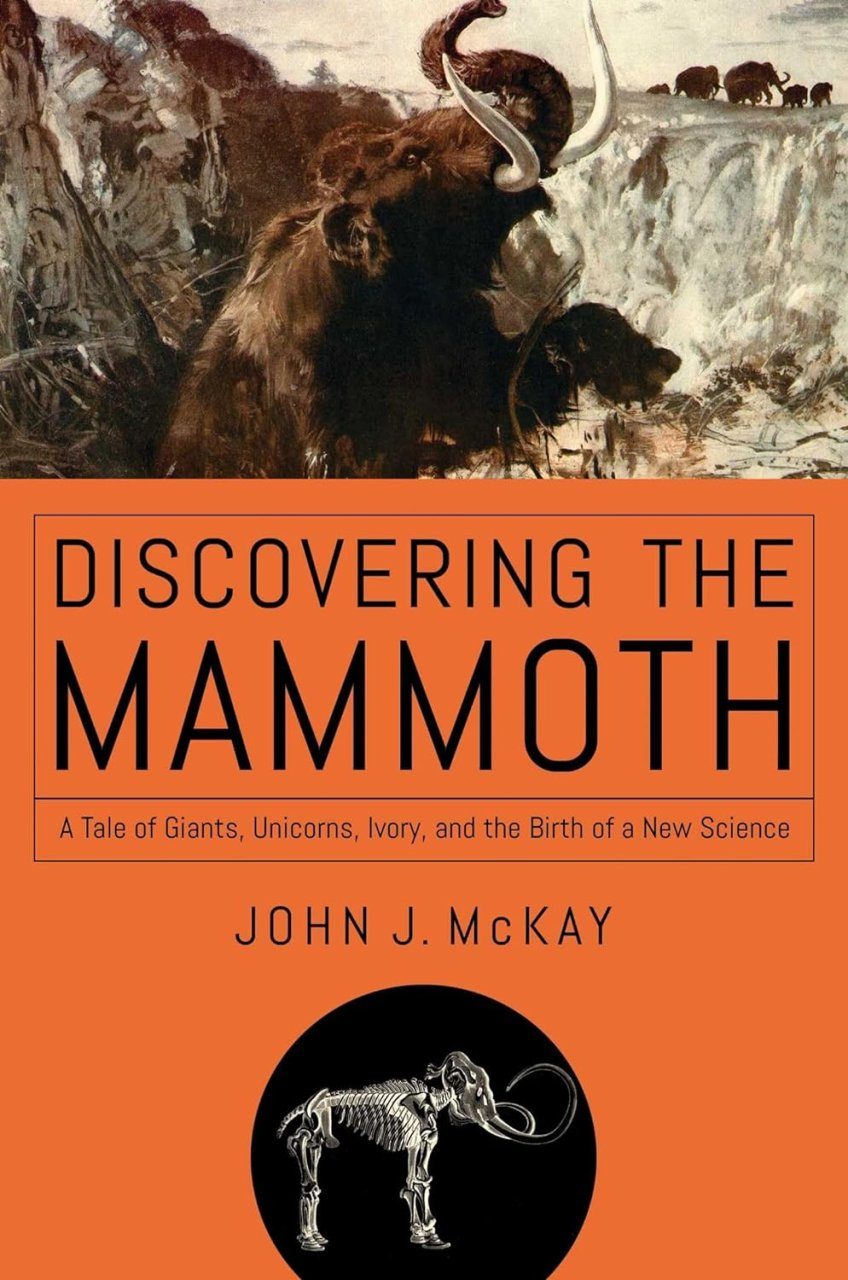
Discovering the Mammoth A Tale of Giants, Unicorns, Ivory, and the Birth of a New Science

By: John J McKay(Author)
249 pages, 8 plates with b/w photos and b/w illustrations
Publisher: Pegasus Books
NHBS
Discovering the Mammoth meticulously pieces together how we "rediscovered" these Ice Age giants.
Discovering the Mammoth
Click to have a closer look
  • Discovering the Mammoth ISBN: 9781681778037 Paperback Sep 2018 In stock
    £12.99
    #241292
Price: £12.99
About this book Customer reviews Biography Related titles

About this book

Today, we know that a mammoth is an extinct type of elephant that was covered with long fur and lived in the north country during the ice ages. But how do you figure out what a mammoth is if you have no concept of extinction, ice ages, or fossils? Long after the last mammoth died and was no longer part of the human diet, it still played a role in human life. Cultures around the world interpreted the remains of mammoths through the lens of their own worldview and mythology.

When the ancient Greeks saw deposits of giant fossils, they knew they had discovered the battlefields where the gods had vanquished the Titans. When the Chinese discovered buried ivory, they knew they had found dragons' teeth. But as the Age of Reason dawned, monsters and giants gave way to the scientific method. Yet the mystery of these mighty bones remained. How did Enlightenment thinkers overcome centuries of myth and misunderstanding to reconstruct an unknown animal?

The journey to unravel that puzzle begins in the 1690s with the arrival of new type of ivory on the European market bearing the exotic name "mammoth". It ends during the Napoleonic Wars with the first recovery of a frozen mammoth. The path to figuring out the mammoth was travelled by merchants, diplomats, missionaries, cranky doctors, collectors of natural wonders, Swedish POWs, Peter the Great, Ben Franklin, the inventor of hot chocolate, and even one pirate.

McKay brings together dozens of original documents and illustrations, some ignored for centuries, to show how this odd assortment of characters solved the mystery of the mammoth and, in doing so, created the science of palaeontology.

Customer Reviews

Biography

John J. McKay has a Master's in History from the University of Washington. A technical writer by trade, he is the "Mammoth Guy" by vocation, and his remarkable archival research, lively wit and passion for extinct proboscideans is well known to the scientific community. He lives in Anchorage, Alaska, where people appreciate a good mammoth.

By: John J McKay(Author)
249 pages, 8 plates with b/w photos and b/w illustrations
Publisher: Pegasus Books
NHBS
Discovering the Mammoth meticulously pieces together how we "rediscovered" these Ice Age giants.
Media reviews

"Discovering the Mammoth is one of those books that make you wonder about the author as much as about his topic. Mr. McKay makes the case that, beginning about 1600, mammoths and their mastodon cousins became 'a focusing problem for a scientific revolution.' They were the starting point for sweeping changes in geology and comparative anatomy and in the ways we think about life on Earth. Mr. McKay fills in the European background in admirable detail. Mammoths, elephants and their kin, John McKay suggests, helped make us who we are."
The Wall Street Journal

"McKay masterfully weaves an intricate story of the events, politics, people, and scientific development associated with the 'rediscovery' of mammoths."
Booklist

"As John McKay vividly relates, the scientific saga [of the mammoth] began in the seventeenth century, when the evocative remains became pivotal to the evolution of vertebrate palaeontology."
Nature

"A well-organized history of science. [McKay's] story is not about ancient creatures, but about how humans approach the world's mysteries."
Publishers Weekly

Current promotions
Great GiftsNew and Forthcoming BooksBritish Wildlife Magazine SubscriptionField Guide Sale 2025