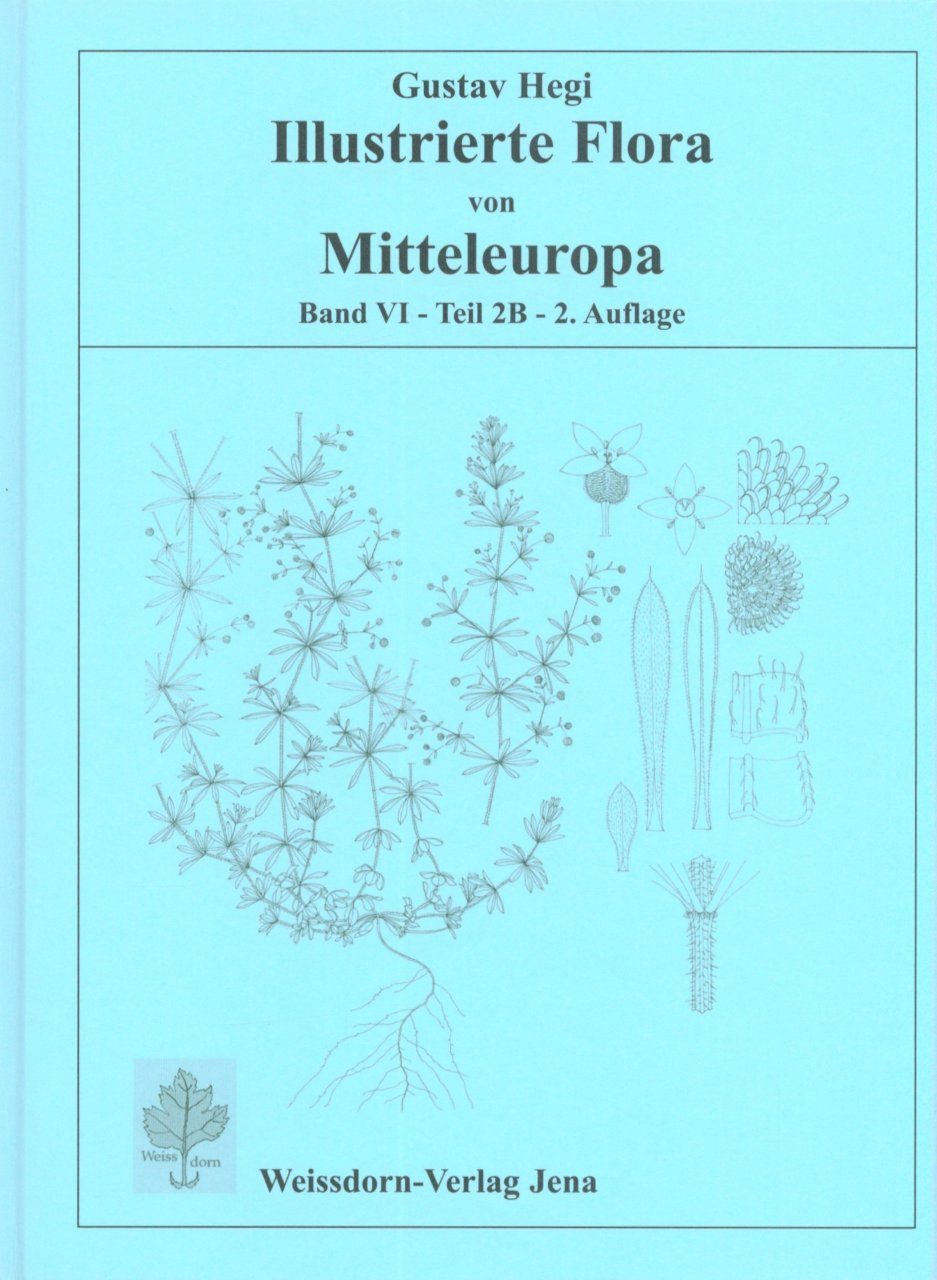
Flora / Fauna Identification Key
By: Hans J Conert(Editor), Eckehart J Jäger(Editor), Joachim W Kadereit(Editor), Gerhard Wagenitz(Editor), Heinrich E Weber(Editor)
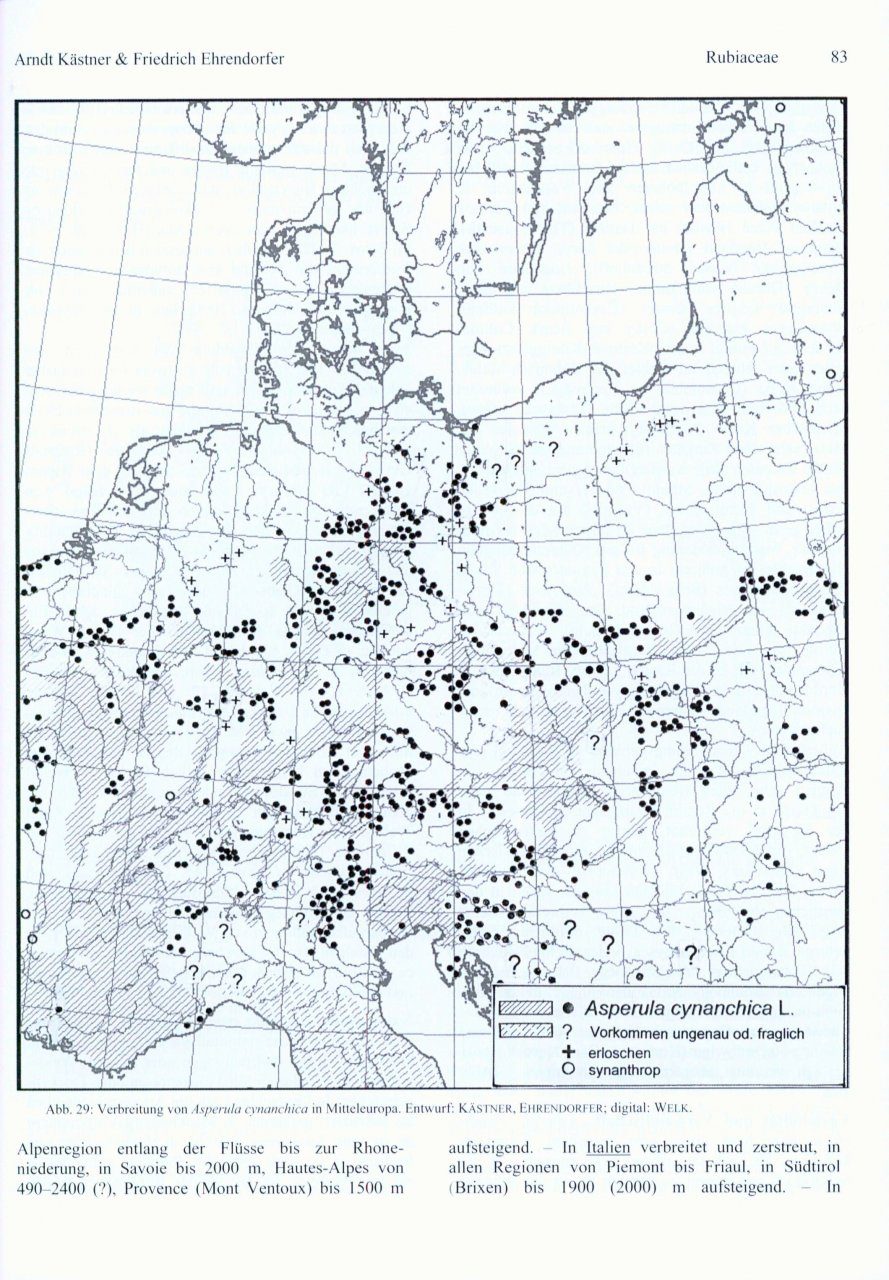
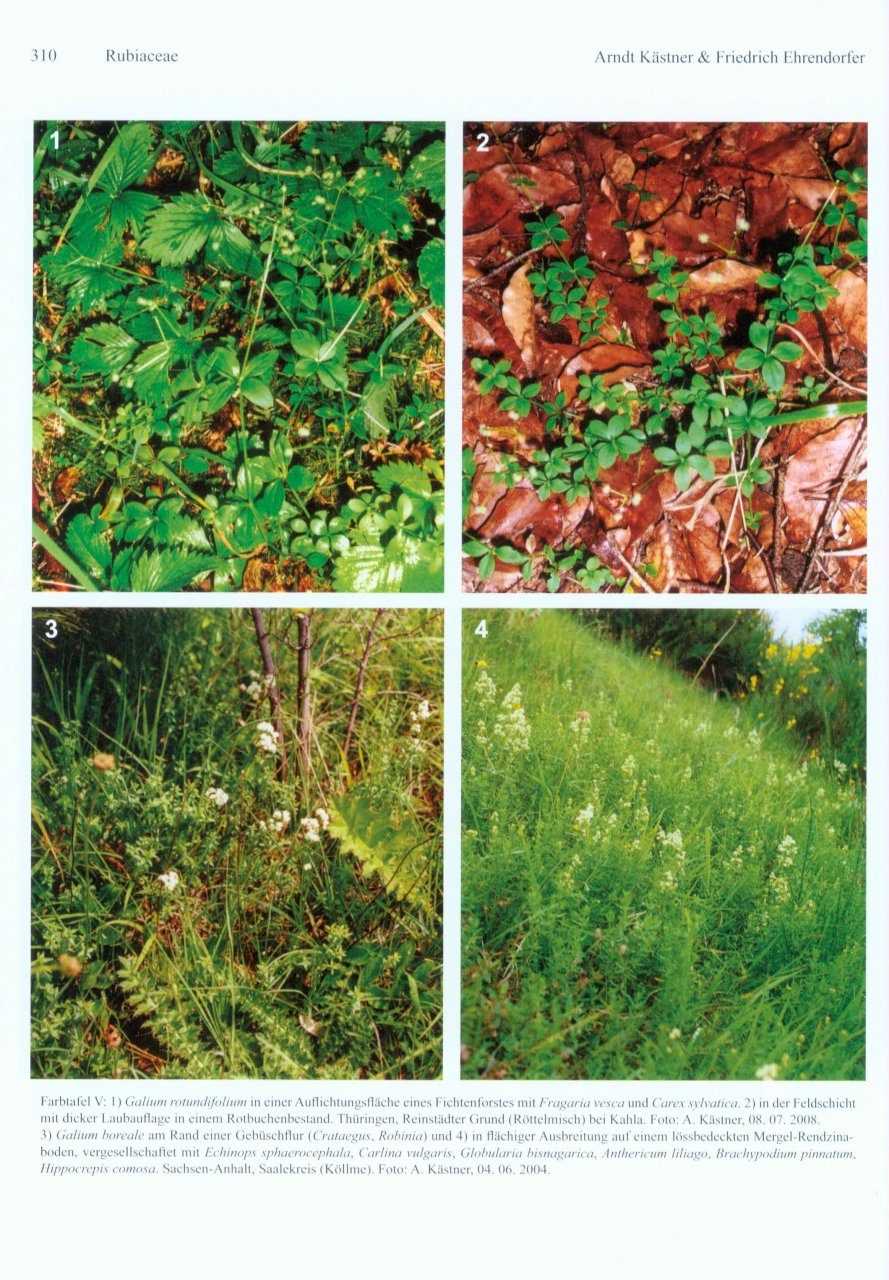
348 pages, 19 plates with colour photos; 145 b/w line drawings and b/w distribution maps
")
Click to have a closer look
About this book
Customer reviews
Related titles
About this book
Language: German
The Rubiaceae (commonly known as the coffee, madder, or bedstraw family) are a cosmopolitan, highly species rich, very diverse and fascinating plant family. After the first edition of Rubiaceae in Hegi's Illustrierte Flora von Mitteleuropa almost 100 years ago, extensive new knowledge has accumulated on many levels in the study of this plant family.
The present revision provides an insight into the current state of botanical research on the species occurring in Central Europe. The book is aimed at both professional colleagues, ecologists and horticulturists on the ground, as well as the botanically inclined.
The Rubiaceae are presented in the various clans and their relationships, systematically classified and described with regards to their ecology, in particular their place in plant communities with particular respect to their relevance in conservation.
Fundamentals are presented based on karyological and of DNA sequencing findings, but also on studies on morphological kinship analysis, life history, ecological site fidelity and geographical distribution.
The book contains specific information on parasitic fungi and animal companions of the species, and a complementary view of major commercial crops in this family occurring both inside and outside of Central Europe.
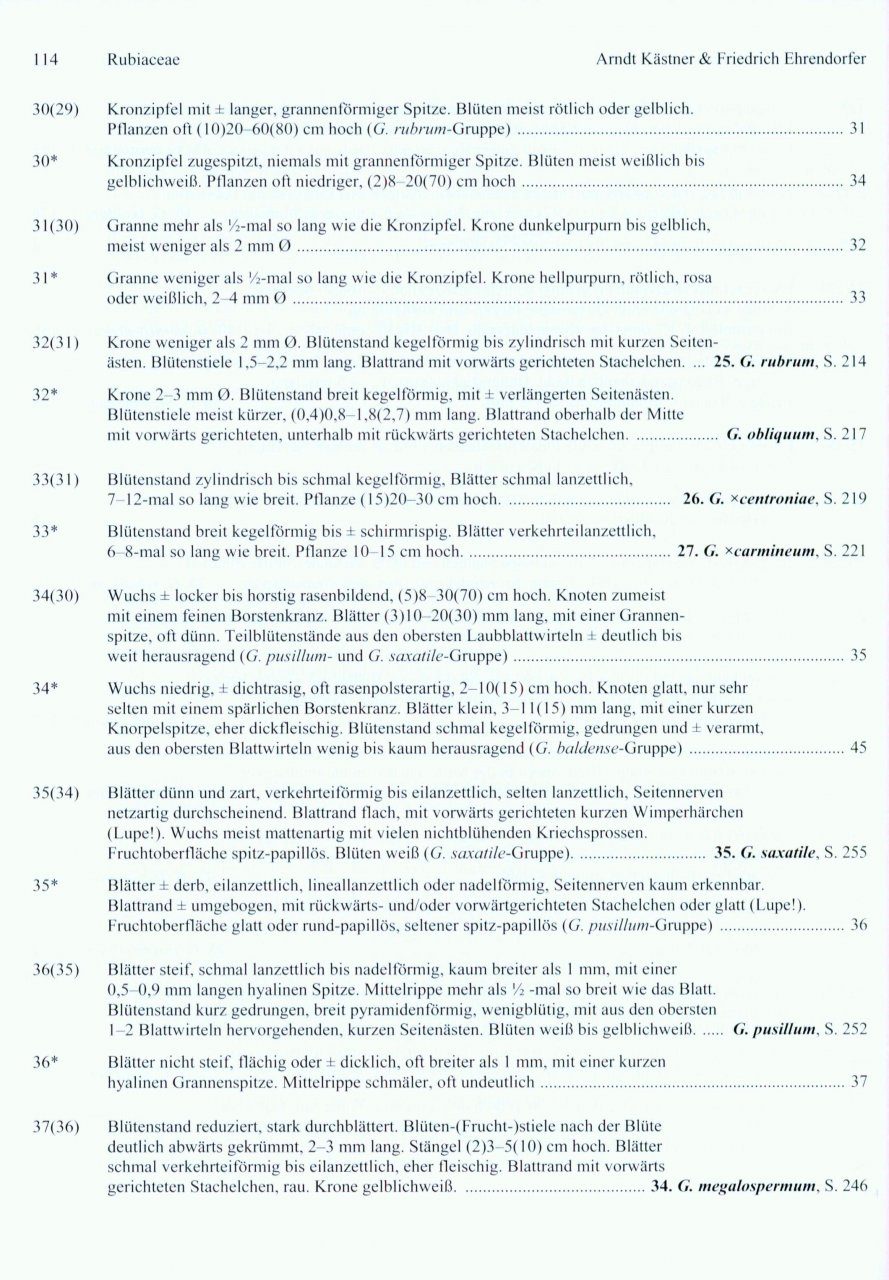
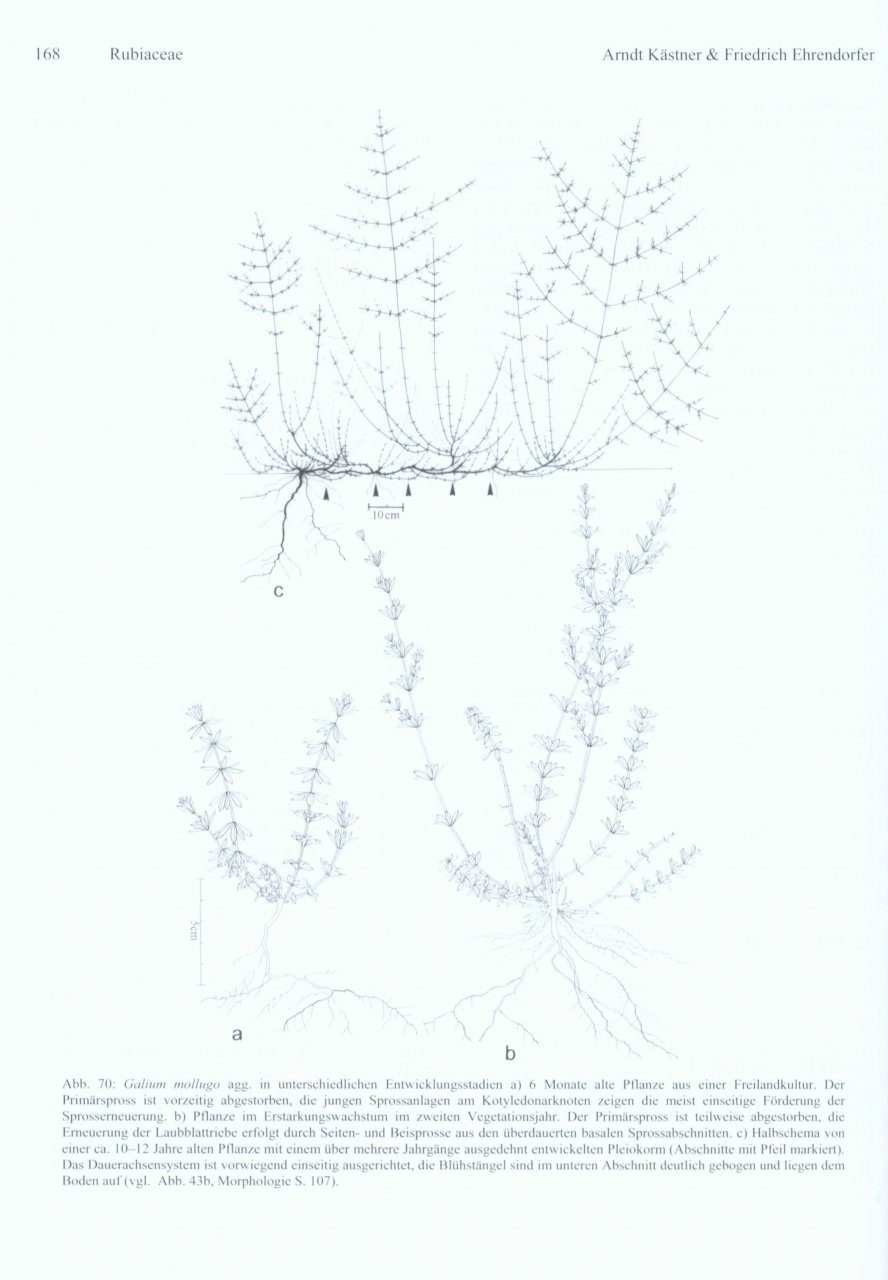
All keyed species are shown in line drawings. They are sometimes supplemented by colour photographs taken in situ.
Summary in German:
Die Rubiaceae (Kaffee- Krapp- und Rötegewächse) sind eine weltweit verbreitete, äußerst artenreiche, überaus vielgestaltige und faszinierende Pflanzenfamilie. Nach der ersten Auflage der Rubiaceae im HEGI Illustrierte Flora von Mitteleuropa von vor knapp 100 Jahren haben sich auf vielen Ebenen in der Erforschung der Pflanzenfamilie umfangreiche und neue Erkenntnisse ergeben.
Die vorliegende Neubearbeitung bietet einen Einblick in den aktuellen Stand der botanischen Erforschung der in Mitteleuropa vorkommenden Arten. Der Band richtet sich sowohl an Fachkollegen als auch an die in der Praxis tätigen Ökologen und Floristen sowie an die botanisch Interessierten.
Die Rubiaceae werden in den einzelnen Sippen und Verwandtschaftsbeziehungen vorgestellt, systematisch eingeordnet und in ihrer Ökologie, insbesondere der Vergesellschaftung in den Pflanzengemeinschaften mit Bezug auf ihre Relevanz zum Naturschutz beschrieben.
Grundlagen sind neben karyologischen und auf der Basis von DNA-Sequenzierung gewonnenen Erkenntnissen auch Studien zur morphologischen Sippenanalyse, zur Lebensgeschichte, der ökologischen Standortbindung und geographischen Verbreitung.
Der Band enthält spezielle Angaben zu parasitischen Pilzen und tierischen Begleitern der Arten und einen ergänzenden Überblick zu innerhalb und außerhalb Mitteleuropas vorkommenden wichtigen Nutz- und Kulturpflanzen des Verwandtschaftskreises.
Alle aufgeschlüsselten Arten sind in linearen Zeichnungen abgebildet. Sie werden teilweise durch Farbfotos vom Standort ergänzt.
Customer Reviews
Flora / Fauna Identification Key
By: Hans J Conert(Editor), Eckehart J Jäger(Editor), Joachim W Kadereit(Editor), Gerhard Wagenitz(Editor), Heinrich E Weber(Editor)
348 pages, 19 plates with colour photos; 145 b/w line drawings and b/w distribution maps