Um genaue Preise zu sehen, wählen Sie bitte Ihr Lieferland.
 
 
United States
£ GBP
Alle Kategorien
Important Notice for US Customers

British Wildlife

8 issues per year 84 Seiten per Ausgabe Nur im Abonnement erhältlich

British Wildlife is the leading natural history magazine in the UK, providing essential reading for both enthusiast and professional naturalists and wildlife conservationists. Published eight times a year, British Wildlife bridges the gap between popular writing and scientific literature through a combination of long-form articles, regular columns and reports, book reviews and letters.

Abonnement ab £33 im Jahr

Conservation Land Management

4 Auflagen im Jahr 44 Seiten Nur im Abonnement erhältlich

Conservation Land Management (CLM) ist ein Mitgliedermagazin und erscheint viermal im Jahr. Das Magazin gilt allgemein als unverzichtbare Lektüre für alle Personen, die sich aktiv für das Landmanagement in Großbritannien einsetzen. CLM enthält Artikel in Langform, Veranstaltungslisten, Buchempfehlungen, neue Produktinformationen und Berichte über Konferenzen und Vorträge.

Subscriptions from £26 per year
Akademische und professionelle Bücher  Habitats & Ecosystems  Grasslands & Heathlands

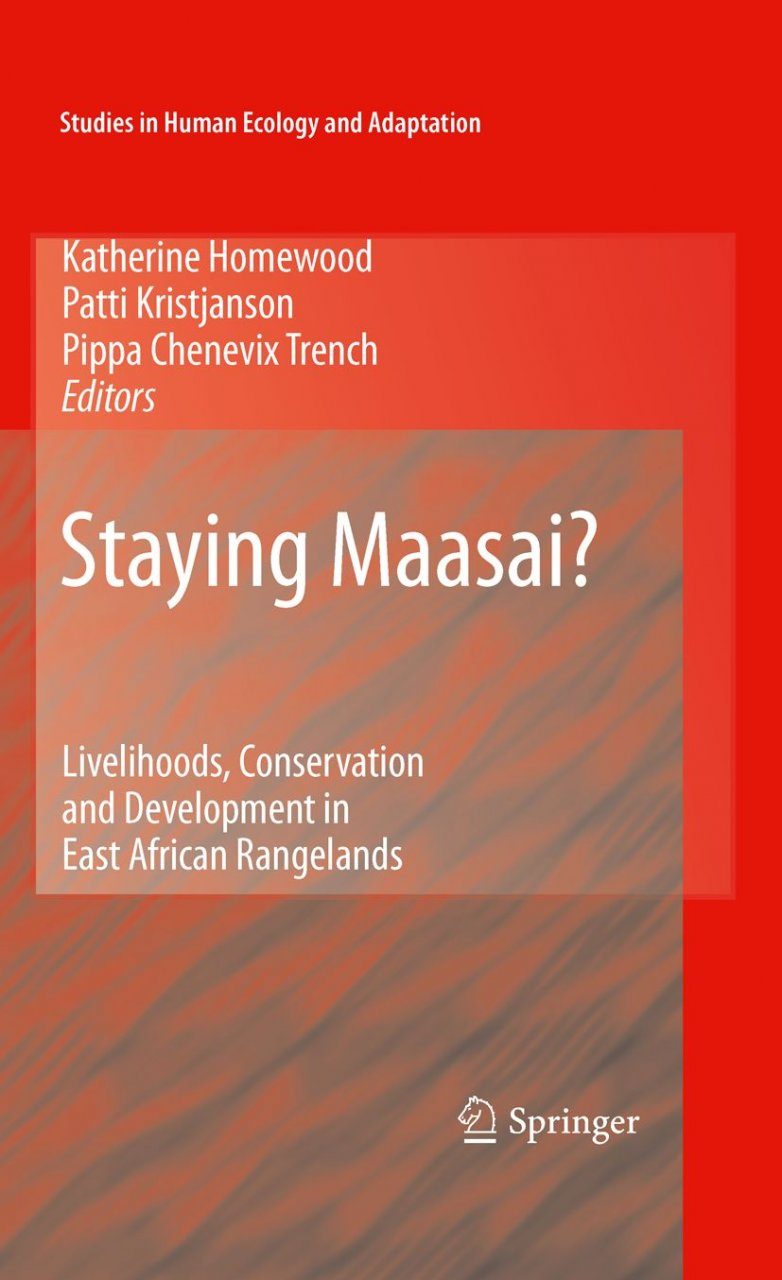
Staying Maasai? Livelihoods, Conservation, and Development in East African Rangelands

Edited By: Katherine M Homewood, Patti Kristjanson and Pippa Trench
434 pages, 103 b/w illus
Publisher: Springer Nature
Staying Maasai?
Click to have a closer look
  • Staying Maasai? ISBN: 9780387874913 Hardback Feb 2009 Not in stock: Usually dispatched within 1-2 weeks
    £129.99
    #190123
Price: £129.99
About this book Contents Customer reviews Related titles

About this book

The area of eastern Africa, which includes Tanzania and Kenya, is known for its savannas, wildlife and tribal peoples. Alongside these iconic images lie concerns about environmental degradation, declining wildlife populations, and about worsening poverty of pastoral peoples. East Africa presents in microcosm the paradox so widely seen across sub Saharan Africa, where the world's poorest and most vulnerable populations live alongside some of the world's most outstanding biodiversity resources.

Over the last decade or so, community conservation has emerged as a way out of poverty and environmental problems for these rural populations, focusing on the sustainable use of wildlife to generate income that could underpin equally sustainable development. Given the enduring interest in East African wildlife, and the very large tourist income it generates, these communities and ecosystems seem a natural case for green development based on community conservation.

This volume is focused on the livelihoods of the Maasai in two different countries - Kenya and Tanzania. This cross-border comparative analysis looks at what people do, why they choose to do it, with what success and with what implications for wildlife. The comparative approach makes it possible to unpack the interaction of conservation and development, to identify the main drivers of livelihoods change and the main outcomes of wildlife conservation or other land use policies, while controlling for confounding factors in these semi-arid and perennially variable systems. This synthesis draws out lessons about the successes and failures of community conservation-based approach to development in Maasailand under different national political and economic contexts and different local social and historical particularities.

Contents

Introduction: Homewood, Trench and Kristjansen.- Methodology: Serneels and Herrero.- Mara: Thompson, Serneels, Ole Kaelo and Trench.- Kitengela: Nkedianye, Radeny and Kristjansen.- Amboseli: Burnsilver .- Longido: Trench, Kiruswa and Homewood.- Tarangire: Sachedina and Trench.- Community based conservation in Tanzanian Maasailand:Nelson, Williams, Gardner and Igoe.- Kenya wildlife conservation policies and outcomes: Norton-Griffiths and Reid.- Staying Maasai: land use, livelihoods and wildlife change: Homewood, Kristjanson and Trench.

Customer Reviews

Edited By: Katherine M Homewood, Patti Kristjanson and Pippa Trench
434 pages, 103 b/w illus
Publisher: Springer Nature
Media reviews

From the reviews: "This book is a product of a collaborative research programme 'Assessing trade-offs between poverty alleviation and wildlife conservation', and coordinated by the International Livestock Research Institute in Nairobi. ! provides in-depth description of the methodological approaches taken in the analysing livelihoods in the case studies. ! this will provide a valuable resource for researchers developing similar studies. ! an extremely useful resource for scholars and students of pastoralism. ! The book is extremely densely and precisely written, and provides a comprehensive review of the literature." (Nicky Allsopp, African Journal of Range & Forage Science, Vol. 26 (3), 2009)

Current promotions
Great GiftsNew and Forthcoming BooksBritish Wildlife Magazine SubscriptionField Guide Sale 2025