Um genaue Preise zu sehen, wählen Sie bitte Ihr Lieferland.
 
 
United States
£ GBP
Alle Kategorien
Important Notice for US Customers

British Wildlife

8 issues per year 84 Seiten per Ausgabe Nur im Abonnement erhältlich

British Wildlife is the leading natural history magazine in the UK, providing essential reading for both enthusiast and professional naturalists and wildlife conservationists. Published eight times a year, British Wildlife bridges the gap between popular writing and scientific literature through a combination of long-form articles, regular columns and reports, book reviews and letters.

Abonnement ab £33 im Jahr

Conservation Land Management

4 Auflagen im Jahr 44 Seiten Nur im Abonnement erhältlich

Conservation Land Management (CLM) ist ein Mitgliedermagazin und erscheint viermal im Jahr. Das Magazin gilt allgemein als unverzichtbare Lektüre für alle Personen, die sich aktiv für das Landmanagement in Großbritannien einsetzen. CLM enthält Artikel in Langform, Veranstaltungslisten, Buchempfehlungen, neue Produktinformationen und Berichte über Konferenzen und Vorträge.

Subscriptions from £26 per year
Akademische und professionelle Bücher  Botany  Vascular Plants  Trees & Shrubs

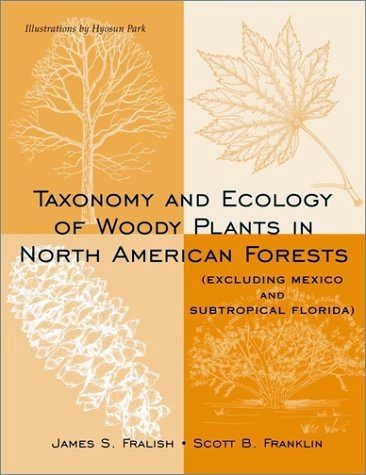
Taxonomy and Ecology of Woody Plants in North American Forests (Excluding Mexico and Subtropical Florida)

By: James S Fralish and Scott B Franklin
612 pages, Bw photos, illus, tabs
Taxonomy and Ecology of Woody Plants in North American Forests (Excluding Mexico and Subtropical Florida)
Click to have a closer look
  • Taxonomy and Ecology of Woody Plants in North American Forests (Excluding Mexico and Subtropical Florida) ISBN: 9780471161585 Hardback Feb 2002 Not in stock: Usually dispatched within 1 week
    £181.95
    #94415
Price: £181.95
About this book Contents Customer reviews Biography Related titles

About this book

Provides complete keys to identifying North American trees and shrubs based on leaf shape, twigs and fruits. Separate keys are provided for each region of the US, along with basic taxonomic concepts and methods.

Contents

Preface; 1. Introduction to Taxonomy; 2. Introduction to Forest Ecology; Part I: Taxonomic Concepts and Methodology; 3. Plant Classification; 4. Nomenclature; 5. Collecting and Preserving Specimens; 6. Key Construction and Use; Part II: Gymnosperms (Division Pinophyta); 7. The Gymnosperms: An Overview; 8. Gymnosperm Vegetative and Reproductive Structures; 9. Order: Pinales I: Pinaceae: Pinus; 10. Order: Pinales II: Pinaceae: Larix, Picea, Abies, Tsuga, Pseudotsuga; 11. Order: Pinales III: Cupressaceae; 12. Order: Taxales, Ginkgoales, and Cycadales; Part III Woody Angiosperms (Division Magnoliophyta); 13. The Woody Angiosperms: An Overview; 14. The Woody Angiosperm Leaf; 15. The Woody Angiosperm Twig; 16. Angiosperm Flower and Fruit Structures; 17. Class: Magnoliopsida; Subclass: Magnoliidae. Magnoliaceae, Annonaceae, Lauraceae, Calycanthaceae, Aristolochiaceae,; Illiciaceae, Schisandraceae, Ranunculaceae, Berberidaceae, Menispermaceae.18. Class: Magnoliopsida; Subclass: Hamamelidae I. Platanaceae, Hamamelidaceae, Ulmaceae, Moraceae, Juglandaceae, Myricaceae, Casuarinaceae; 19. Class: Magnoliopsida; Subclass: Hamamelidae II. Fagaceae, Betulaceae; 20. Class: Magnoliopsida; Subclass: Dilleniidae. Tiliaceae, Salicaceae, Ericaceae, Clethraceae, Cyrillaceae, Sapotaceae, Ebenaceae, Styracaceae, Symplocaceae, Clusiaceae; 21. Class: Magnoliopsida; Subclass: Rosidae I; Rosaceae, Fabaceae, Elaeagnaceae, Thymelaeaceae, Hydrangeaceae, Grossulariaceae, Iteaceae, Cornaceae, Garryaceae, Nyssaceae, Aquifoliaceae, Celastraceae, Rhamnaceae, Vitaceae, Araliaceae; 22. Class: Magnoliopsida; Subclass Rosidae II; Aceraceae, Sapindaceae, Anacardiaceae, Hippocastanaceae, Staphyleaceae, Rutaceae, Simaroubaceae; 23. Class: Magnoliopsida; Subclass: Asteridae; Oleaceae, Bignoniaceae, Scrophulariaceae, Rubiaceae, Caprifoliaceae, Adoxaceae; 24. Class: Liliopsida (Monocotyledoneae); Arecaceae, Poaceae, Smilacaceae; Part IV: Forest Community Ecology: Combining Species into Communities; 25. Introduction to Forest Ecology and Classification; 26. Forest Environment and Cover Types-Regions 1 and 2: Northern Conifer-Hardwood and Northern Hardwood-Conifer Forests; 27. Forest Environment and Cover Types-Region 3: Central Hardwood Forest; 28. Forest Environment and Cover Types-Region 4: Southern Pine-Hardwood Forest; 29. Forest Environment and Cover Types-Regions 5 and 6: Rocky Mountain Conifer Forests; 30. Forest Environment and Cover Types-Region 7: Northern and Southern Coastal Conifer Forests; Glossary of Technical Terms; Glossary of Genus and Species Names; References; Index of Species; Subject Index

Customer Reviews

Biography

JAMES S. FRALISH, PhD, is Professor Emeritus in the Department of Forestry at Southern Illinois University at Carbondale. SCOTT B. FRANKLIN, PhD, is Assistant Professor in the Department of Biology at the University of Memphis. HYOSUN PARK, BA, is a freelance illustrator and artist living in Milwaukee, Wisconsin.
By: James S Fralish and Scott B Franklin
612 pages, Bw photos, illus, tabs
Current promotions
Great GiftsNew and Forthcoming BooksBritish Wildlife Magazine SubscriptionField Guide Sale 2025