Um genaue Preise zu sehen, wählen Sie bitte Ihr Lieferland.
 
 
United States
£ GBP
Alle Kategorien
Important Notice for US Customers

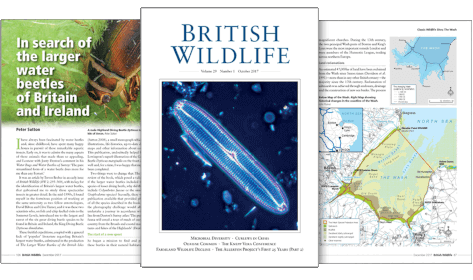
British Wildlife

8 issues per year 84 Seiten per Ausgabe Nur im Abonnement erhältlich

British Wildlife is the leading natural history magazine in the UK, providing essential reading for both enthusiast and professional naturalists and wildlife conservationists. Published eight times a year, British Wildlife bridges the gap between popular writing and scientific literature through a combination of long-form articles, regular columns and reports, book reviews and letters.

Abonnement ab £33 im Jahr

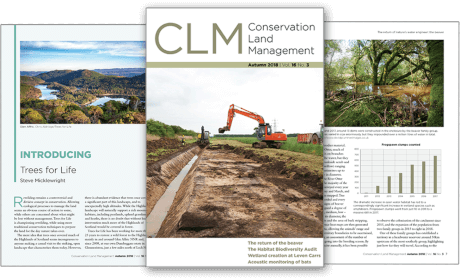
Conservation Land Management

4 Auflagen im Jahr 44 Seiten Nur im Abonnement erhältlich

Conservation Land Management (CLM) ist ein Mitgliedermagazin und erscheint viermal im Jahr. Das Magazin gilt allgemein als unverzichtbare Lektüre für alle Personen, die sich aktiv für das Landmanagement in Großbritannien einsetzen. CLM enthält Artikel in Langform, Veranstaltungslisten, Buchempfehlungen, neue Produktinformationen und Berichte über Konferenzen und Vorträge.

Subscriptions from £26 per year
Akademische und professionelle Bücher  Natural History  General Natural History

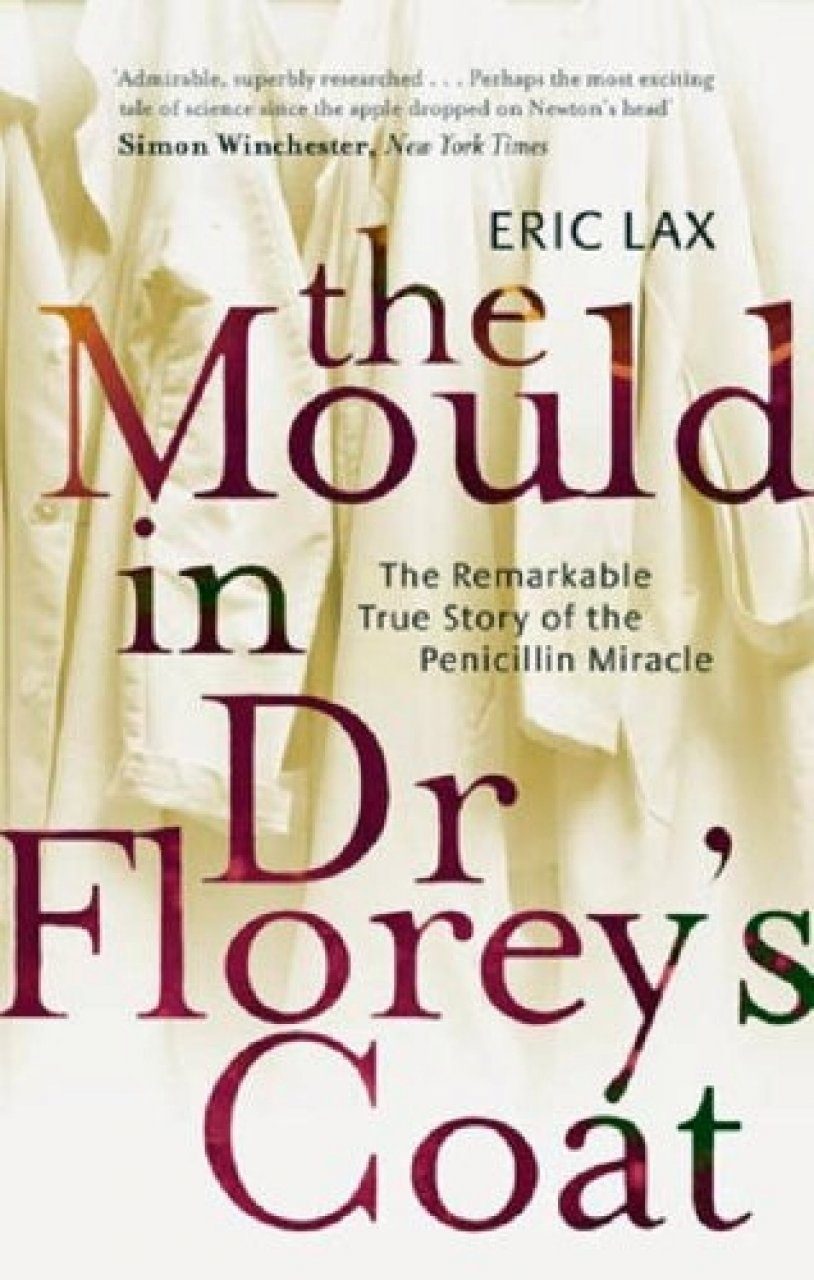
The Mould in Dr. Florey's Coat How Penicillin Began the Age of Miracle Cures

By: Eric Lax
288 pages, Illus
Publisher: Abacus
The Mould in Dr. Florey's Coat
Click to have a closer look
  • The Mould in Dr. Florey's Coat ISBN: 9780349117683 Paperback Nov 2005 In stock
    £12.99
    #155356
Price: £12.99
About this book Customer reviews Biography Related titles

About this book

`Veteran journalist and author Lax takes a revealing look back at the time when world-altering science was done on a shoestring, bringing to brilliant life the story of the first great antibiotic. While Alexander Fleming is the name most often associated with penicillin, it was the Oxford team of Howard Florey, Ernst Chain, and Norman Heatley, the author reminds us, that turned Fleming's 1928 discovery of the potent mold into a life-saving miracle drug while working under Spartan and dangerous conditions. Responding to the threat of an imminent Nazi invasion, Heatley proposed that in case they were forced to abandon their work and flee, they preserve the mold spores by rubbing some into the fabric of their clothing. (Hence the title.) Lax first captures the personalities of each of these four men and then moves on to Florey's efforts to scrounge together the funds for his team's work. An initial grant from the Medical Research Council for materials was GBP25, the equivalent then of about $100.00. Funds from the Rockefeller Foundation were more generous, but ingenuity and improvisation remained essential. Heatley cobbled together an apparatus to extract penicillin from mold juice using glass tubing, assorted pumps, copper coils, colored warning lights, and even an old doorbell. The meager amounts of penicillin the team was able to produce showed therapeutic potential, but larger quantities were needed to run the necessary clinical trials. Unable to interest British pharmaceutical companies, they turned to the US, offering to share all their knowledge of how to produce penicillin in return for a supply. Florey and Heatley's dog-and-pony show in the US, the American role in the penicillin story, Fleming's public behavior when the news of penicillin's clinical value became known, the Nobel Prize expectations of those involved all make for fascinating reading. Even sex rears its intriguing head, with both Florey's wife and mistress getting into the act. Informative and thoroughly enjoyable science history.' Kirkus Review

Customer Reviews

Biography

Eric Lax is a biographer and magazine journalist (Vanity Fair, Esquire) who lives in Los Angeles with his wife and two sons.

By: Eric Lax
288 pages, Illus
Publisher: Abacus
Media reviews

'Veteran journalist and author Lax takes a revealing look back at the time when world-altering science was done on a shoestring, bringing to brilliant life the story of the first great antibiotic. While Alexander Fleming is the name most often associated with penicillin, it was the Oxford team of Howard Florey, Ernst Chain, and Norman Heatley, the author reminds us, that turned Fleming's 1928 discovery of the potent mold into a life-saving miracle drug while working under Spartan and dangerous conditions. Responding to the threat of an imminent Nazi invasion, Heatley proposed that in case they were forced to abandon their work and flee, they preserve the mold spores by rubbing some into the fabric of their clothing. (Hence the title.) Lax first captures the personalities of each of these four men and then moves on to Florey's efforts to scrounge together the funds for his team's work. An initial grant from the Medical Research Council for materials was GBP25, the equivalent then of about $100.00. Funds from the Rockefeller Foundation were more generous, but ingenuity and improvisation remained essential. Heatley cobbled together an apparatus to extract penicillin from mold juice using glass tubing, assorted pumps, copper coils, colored warning lights, and even an old doorbell. The meager amounts of penicillin the team was able to produce showed therapeutic potential, but larger quantities were needed to run the necessary clinical trials. Unable to interest British pharmaceutical companies, they turned to the US, offering to share all their knowledge of how to produce penicillin in return for a supply. Florey and Heatley's dog-and-pony show in the US, the American role in the penicillin story, Fleming's public behavior when the news of penicillin's clinical value became known, the Nobel Prize expectations of those involved all make for fascinating reading. Even sex rears its intriguing head, with both Florey's wife and mistress getting into the act. Informative and thoroughly enjoyable science history.' Kirkus Review

Current promotions
Great GiftsNew and Forthcoming BooksBritish Wildlife Magazine SubscriptionField Guide Sale 2025